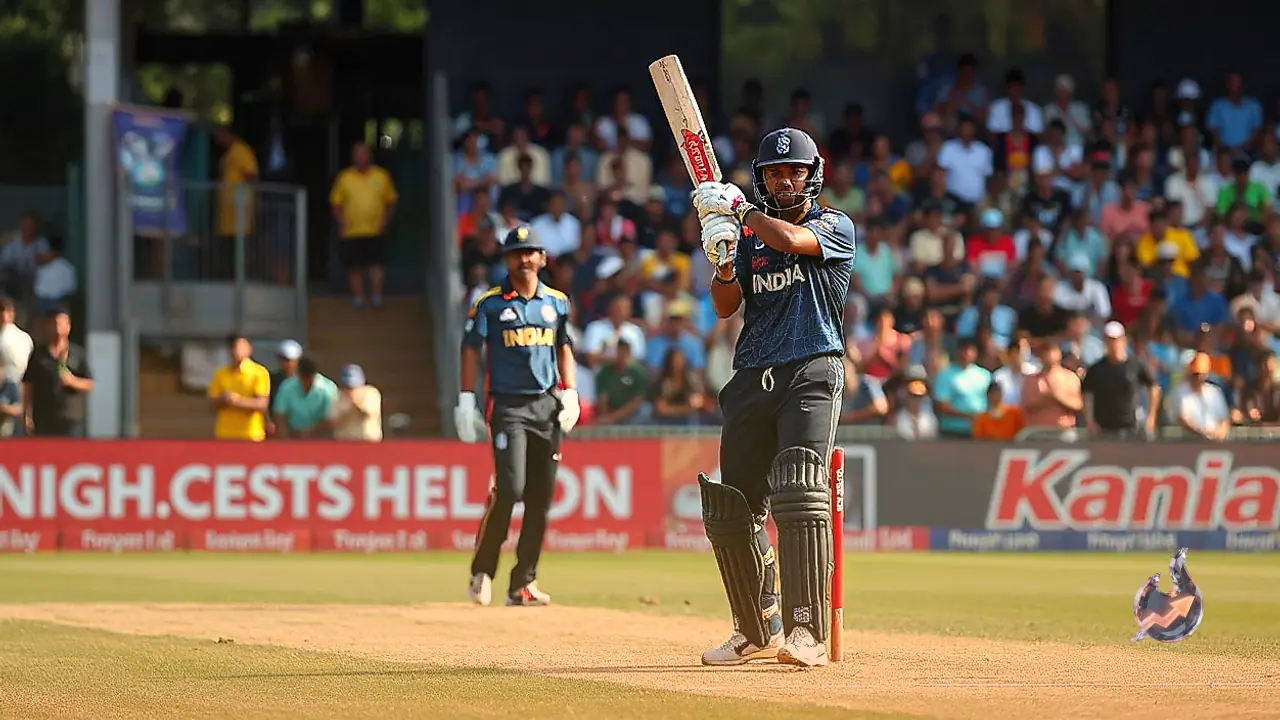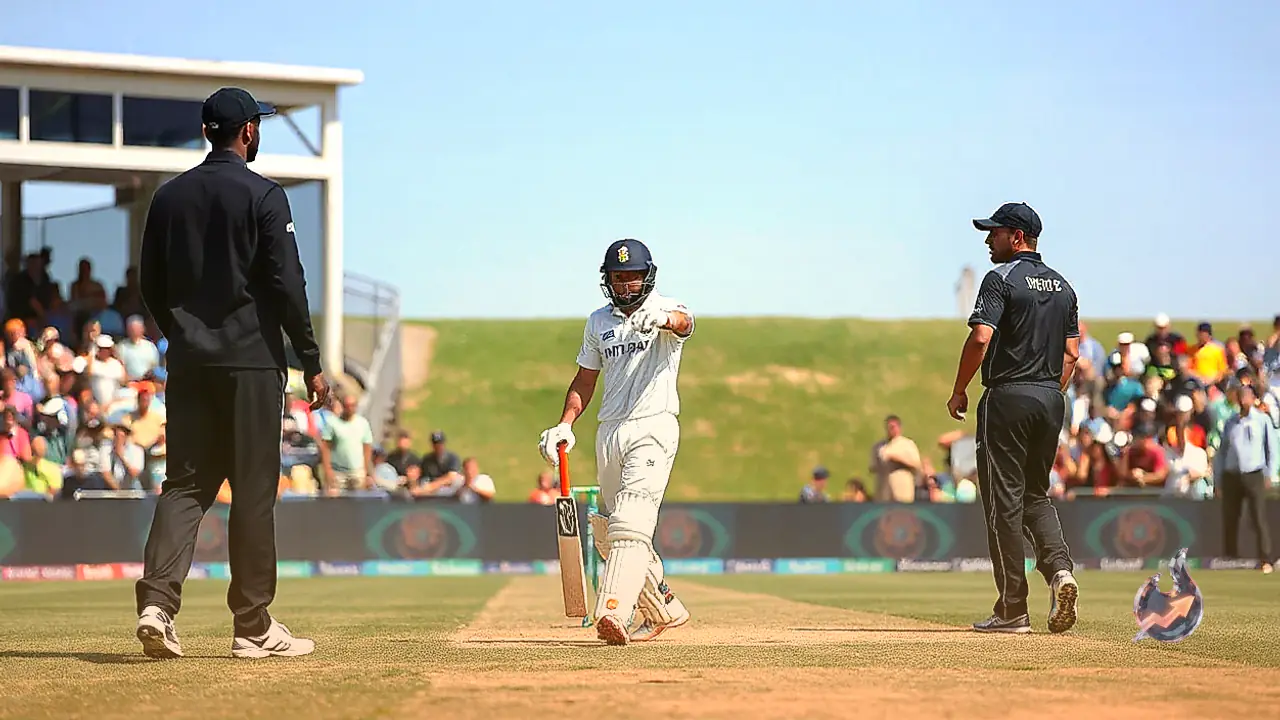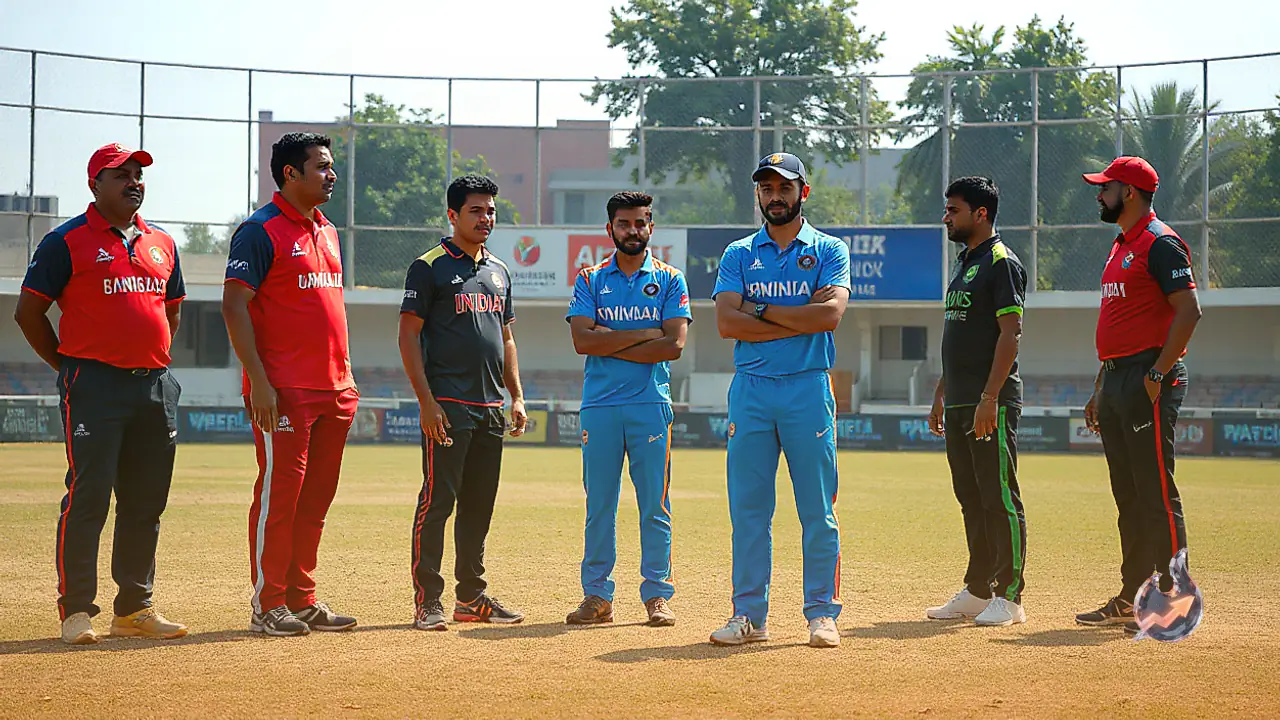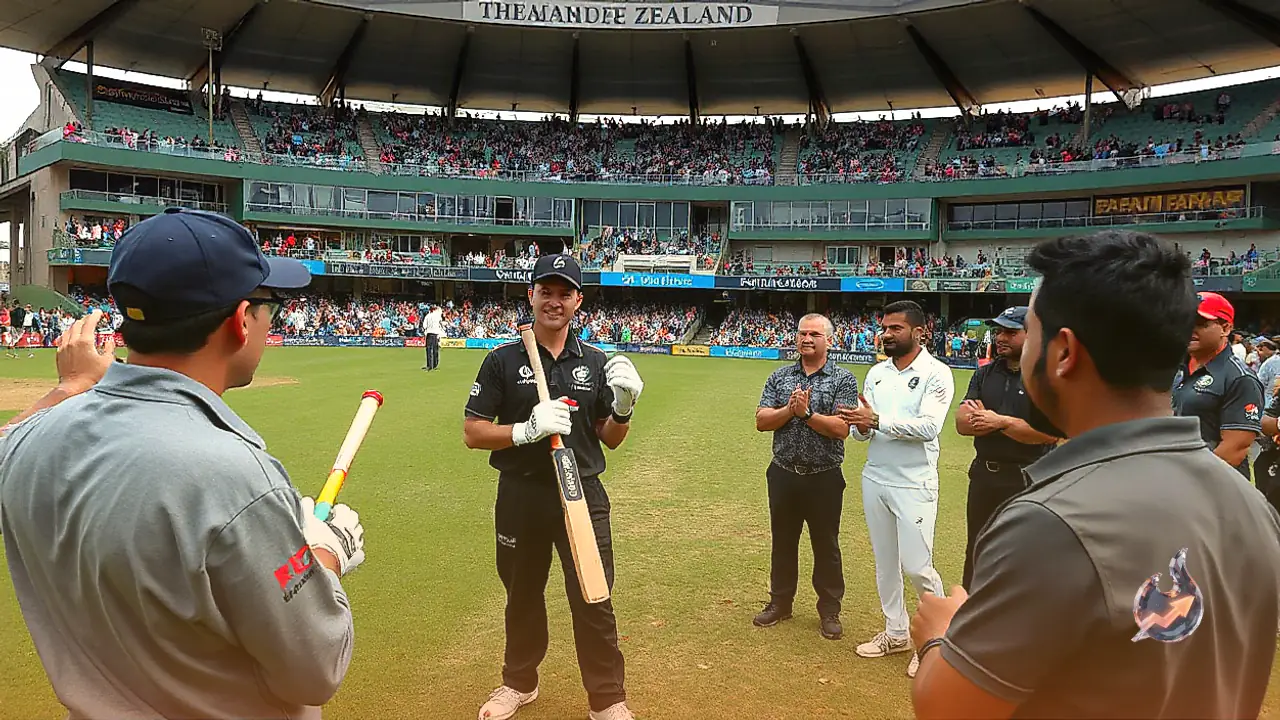























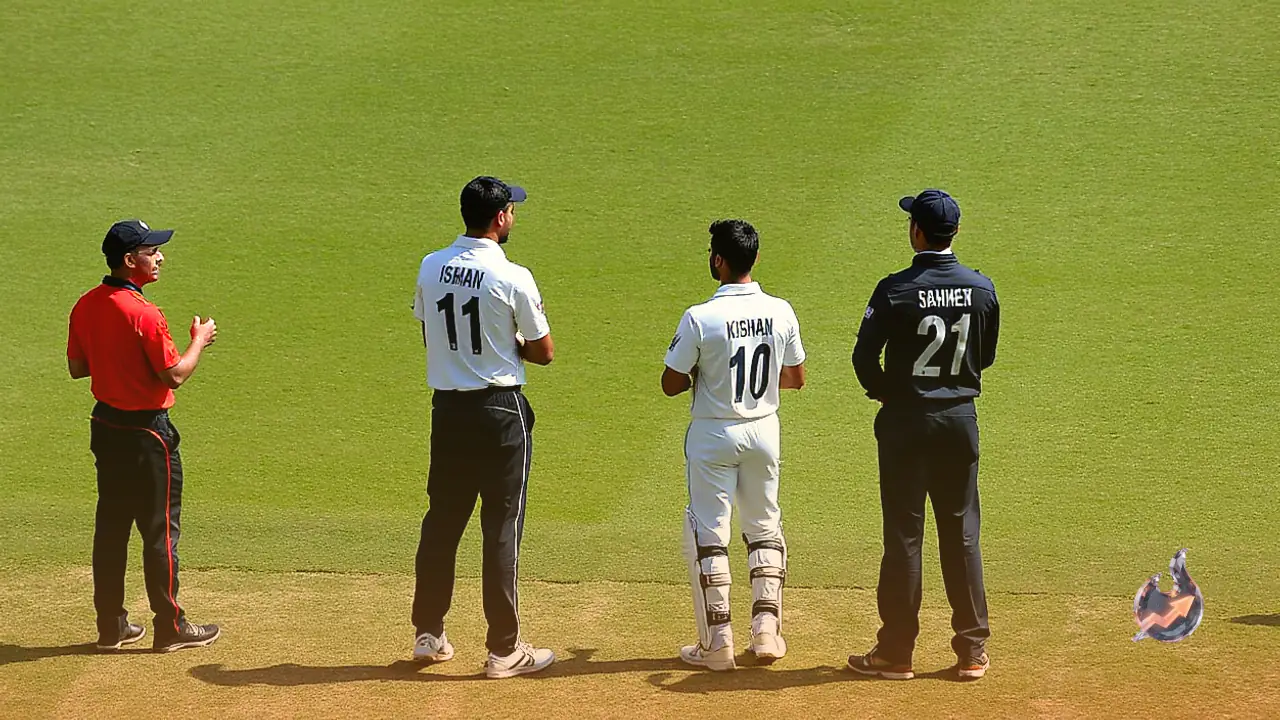

A high-voltage dramatic sequence unfolded during the fifth T20 encounter between India and New Zealand when a boundary incident involving Indian batter Ishan Kishan sparked widespread debate. Throughout his aggressive display with the bat, Ishan Kishan kept the scoreboard ticking and set multiple milestones, yet the defining talking point of the contest emerged from a contentious boundary rope review. A towering hit against Kiwi spinner Mitchell Santner initially looked like a clean dismissal near the ropes before television replays altered the trajectory of the innings.
The Catch Drama Along the Boundary Cushions
With Mitchell Santner operating in his bowling spell, Ishan Kishan looked to exploit the scoring opportunity by launching a lofted drive down the ground. The ball hung in the air toward the boundary line where a New Zealand fielder settled underneath and cleanly grabbed the leather, triggering immediate celebrations across the visiting camp. At first glance, field spectators and players believed the breakthrough had been secured and the batter was walking back.
Third Umpire Review Leaves New Zealand Stunned
The on-field officials referred the dismissal to the third umpire to examine the legitimacy of the boundary collection. After reviewing multiple slow-motion angles to determine whether the fielder made contact with the boundary boundary foam while completing the catch, the official overturned expectations by ruling the effort a maximum. The verdict awarding six runs left the entire New Zealand dugout and on-field team visibly stunned as they looked on in disbelief.
Fans and Social Media Divided Over the Call
The decision instantly triggered intense discussions across social media channels as supporters debated the technical interpretation of the boundary rules. One segment of fans argued that camera angles showed conclusive contact with the perimeter cushion, justifying the decision to award the runs to the batter. Conversely, another group of observers maintained that the catch was cleanly negotiated without gaining illegal leverage from the rope, keeping the debate alive long after the delivery.