






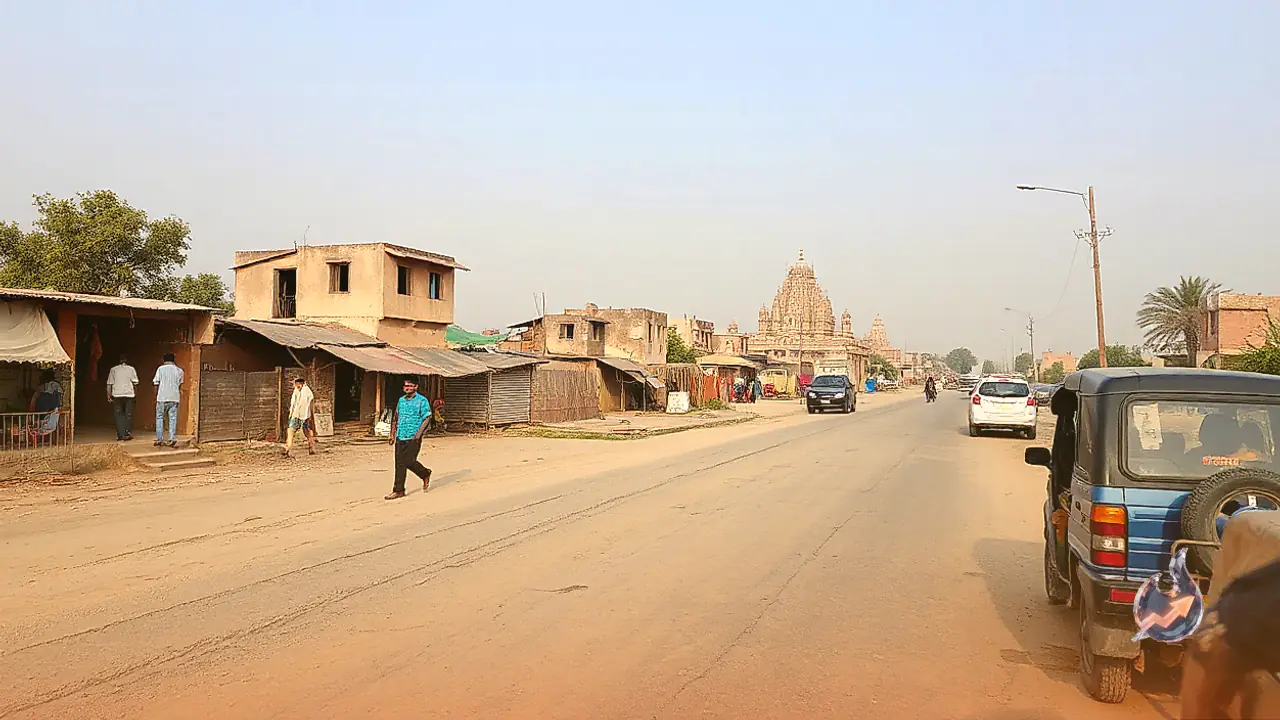














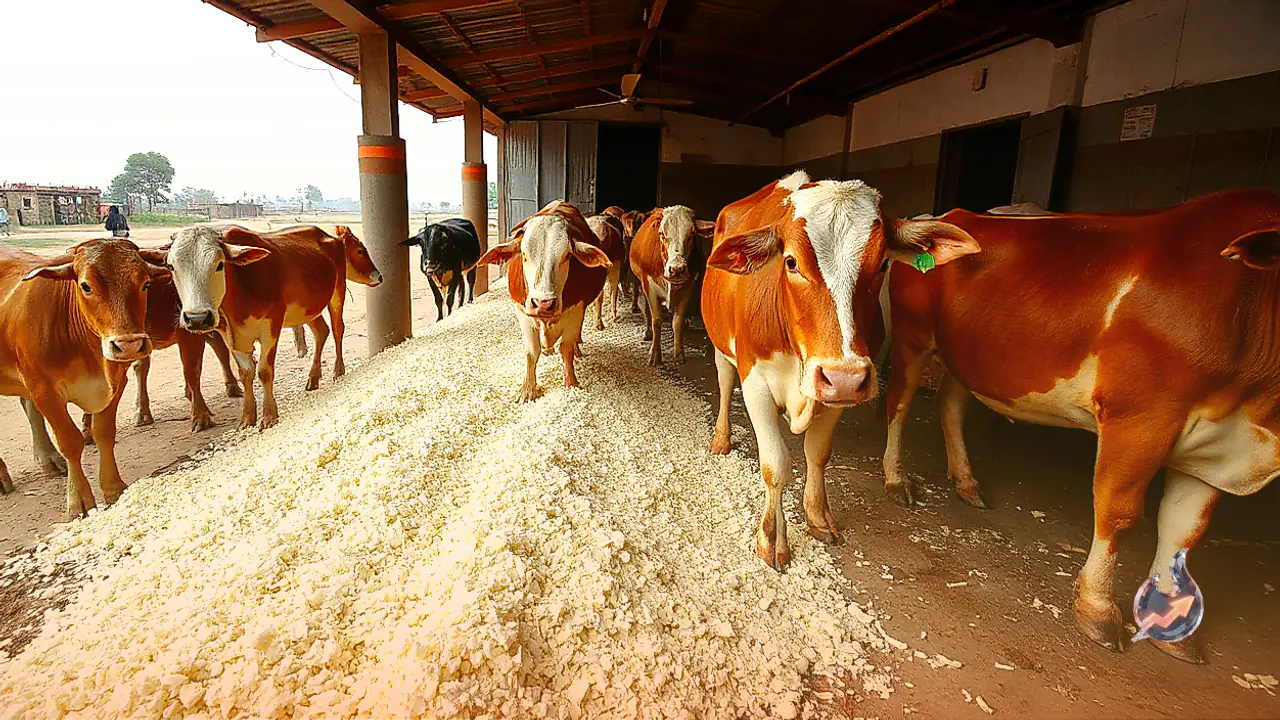

In the town of Ahor, located in Rajasthan's Jalore district, a sweet legacy has stood the test of time for well over a century. The Rathi family has been handcrafting their signature rabri for 127 years, building a loyal following that extends far beyond local borders. The secret behind this enduring culinary draw lies in genuine patience and intense physical craftsmanship, turning pure cow milk into a dense, layered dessert through hours of steady simmering over controlled flames. To produce just 4.5 kilograms of this finished delicacy, cooks must gently reduce around 18 to 20 kilograms of fresh milk.
The Slow Reduction Process and Meticulous Cream Layering
The preparation begins by pouring fresh cow milk into a massive open pan or kadhai heated over a steady, low flame. As the liquid warms and simmers over continuous hours, sheets of milk fat and cream rise to the surface. Craftsmen methodically gather these delicate cream films and push them toward the perimeter of the pan, letting them cling to the heated iron rim. While the center continues its steady evaporation and thickens down to a rich concentrate, the edges collect multiple dense layers of malai. Once the liquid has dropped to a fraction of its starting volume, the cooks gently scrape that collected cream back into the thickened base, creating the velvety, uneven texture that gives the sweet its distinctive character.
Mukesh Kumar Rathi on Generational Craft and Daily Batches
Shop owner Mukesh Kumar Rathi explained that the commercial establishment has maintained its continuity for roughly 127 years, strictly relying on pure cow milk across generations. Under normal conditions, the workshop churns out between 10 and 12 kilograms of finished sweet each day. After the long boiling phase concludes and the cream is folded together, sugar is blended into the mixture. The dish is then allowed to cool properly before being dished out to waiting patrons. Whenever orders arrive for weddings, private parties, or seasonal gatherings, batch sizes are scaled up significantly to meet the surge.
Pricing, Festive Demand, and Enduring Local Popularity
This artisanal dessert sells at a fixed rate of 450 rupees per kilogram. The product commands steady patronage from nearby residents as well as travelers passing through Jalore. Demand spikes sharply during major festive stretches and wedding seasons, when families place large-scale catering orders for banquets and celebrations. To keep pace with these celebration orders, the daily output increases proportionally. The dessert's enduring appeal stems not just from its sweet profile, but from an uncompromising adherence to traditional reduction methods that modern commercial machinery cannot duplicate.