





















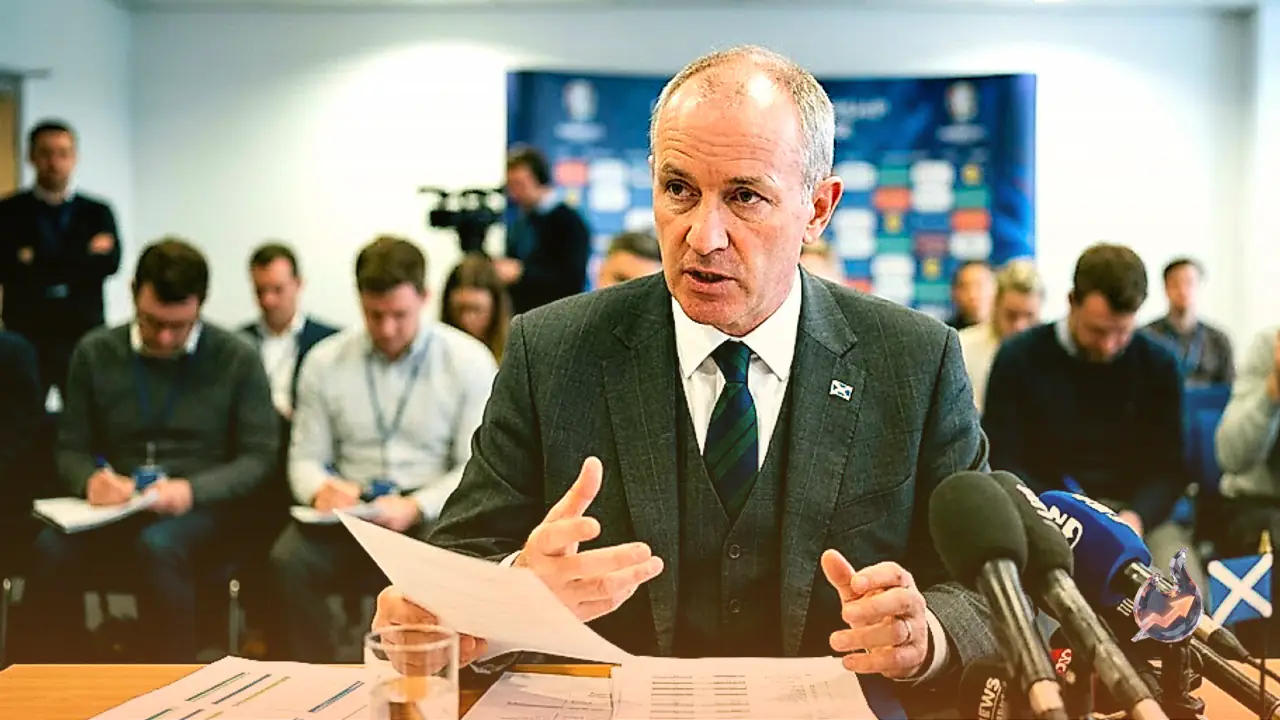

Excitement for the upcoming ICC ODI World Cup 2027 is gradually building up, but the road to the tournament has run into a major roadblock. With roughly 18 months remaining before the global event kicks off, the governing body's newly revealed structure has drawn sharp criticism from several participating nations. The revised format has not gone down well across the associate cricket ecosystem, prompting serious concerns from multiple boards. Specifically, cricket authorities from Scotland and Netherlands have formally registered their objections, pointing out a lack of clarity in how the new rules were formulated and implemented.
Expanded Team Count and Complex Pathways
Under the revised blueprint released recently for next year's tournament, the player pool and representation are set to expand. Instead of the traditional 10 teams, the marquee event will feature a total of 14 teams. However, the catch lies in the qualification architecture, which forces lower-ranked and associate nations to navigate multiple gruelling rounds before earning the right to compete in the main draw. This layered approach has substantially amplified the degree of difficulty for smaller cricketing nations hoping to make a mark on the international stage.
Two Meetings Later, Silence From Officials
Amid growing unease regarding these structural changes, representatives from Scotland, Netherlands, and a few other concerned teams have already held discussions with the International Cricket Council across two separate meetings. During these deliberations, the visiting boards sought detailed breakdowns of the alterations alongside greater procedural transparency. Reports indicate that despite a fortnight passing since these interactions, the governing body has failed to issue any formal response or clarification, leaving both boards deeply disappointed by the lack of communication.
The Super Series Elimination Hurdle
A closer examination of the proposed format reveals that a precursor stage known as a super series will precede the main 14-team event. In this preliminary phase, the teams ranked 12th, 13th, and 14th will lock horns against each other. Only the side that finishes at the summit of this mini-standings table will advance further, while the remaining two contenders will be eliminated from contention. Both Scotland and Netherlands argue that this particular rule drastically curtails the pathways and progression opportunities for associate nations.
Uncertainty Surrounding Qualifier Venues
Compounding the frustration over tournament architecture is a glaring lack of logistical clarity. While both Scotland and Netherlands have successfully secured their spots in the qualifying rounds for the 2027 event, the host locations and venues for these crucial matches remain entirely undecided. The boards have strongly voiced their displeasure, emphasizing that introducing sweeping procedural adjustments at such a late stage creates unnecessary complications for team planning and tournament administration.