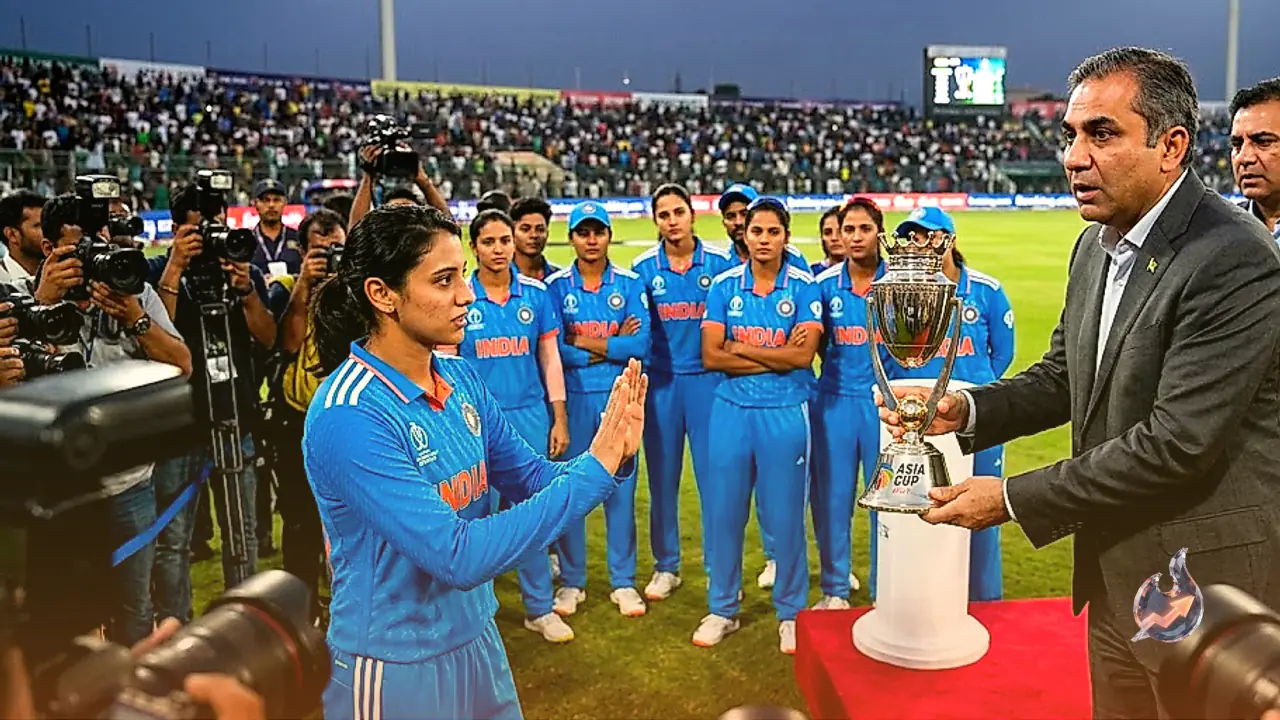






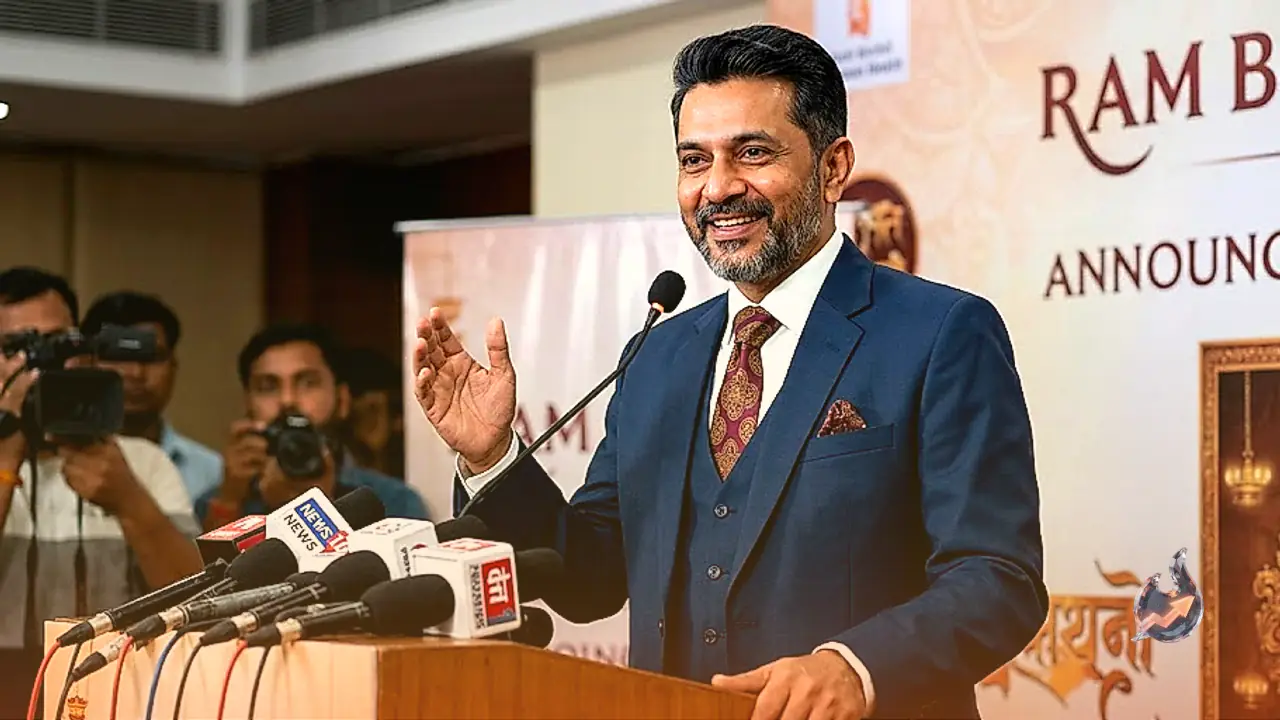
















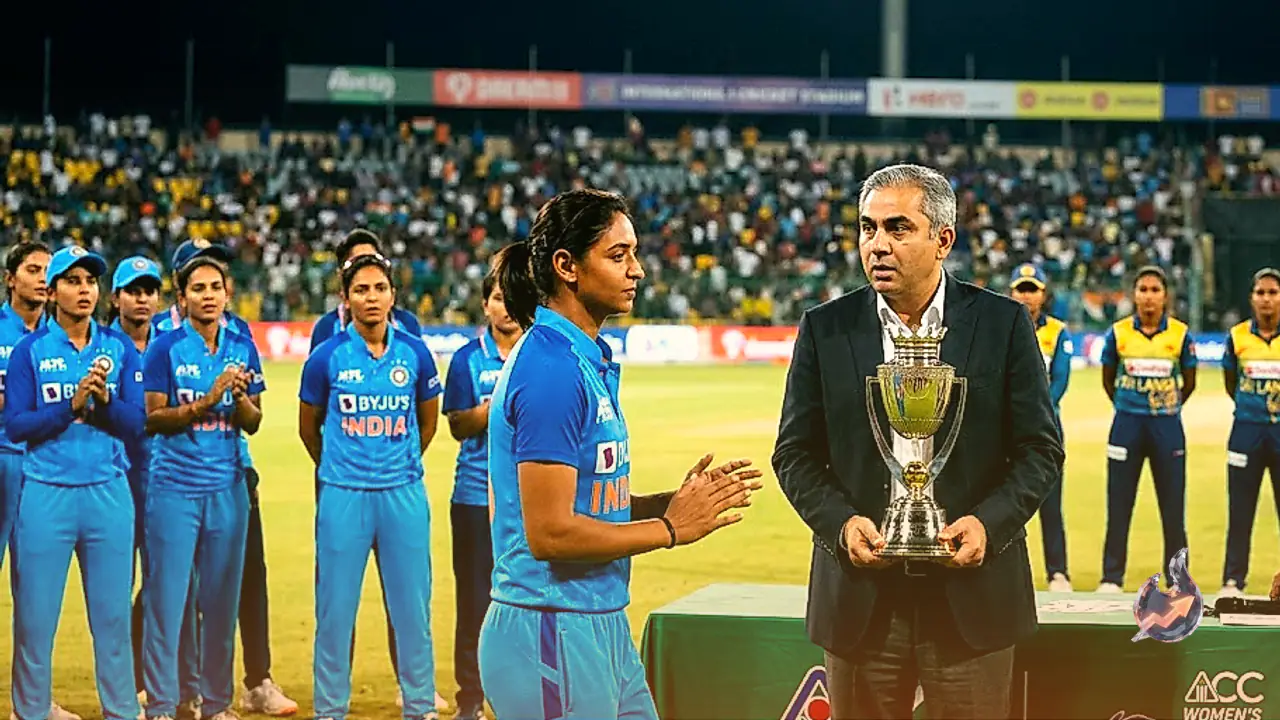

A notable standoff unfolded during the post-match presentation ceremony of the Women's T20 Asia Cup final, featuring a direct snub toward Asian Cricket Council (ACC) chief Mohsin Naqvi. Prior to the summit clash between India and Sri Lanka, a clear communication had already been conveyed from the Indian cricket board stating that the squad would decline to accept the silverware from Naqvi in the event of a victory.
Dominant Title Victory and Presentation Stage Boycott
On the field, the Indian team produced a commanding performance, securing a 72-run win over Sri Lanka to lift the tournament title for a record eighth time. The post-match formalities began normally as the runners-up, Sri Lanka, were handed their individual medals and the official prize-money cheque. However, the situation shifted abruptly when the Indian side was called up to the podium. The players declined to take the stage because Naqvi was positioned there to present the winners' trophy. Following an awkward and prolonged delay on the ground, Naqvi eventually exited the stadium without handing over the trophy, leaving the Indian team without the physical cup at the presentation.
Repeated Snubs on the Continental Stage
This episode marks the second time in under a year that Mohsin Naqvi has encountered such a boycott in international cricket. A similar standoff took place during the Men's Asia Cup 2025, where the Indian squad likewise refused to receive the trophy from his hands. While declining the trophy from a sitting continental council president creates an embarrassing look in global cricket administration, commentary from across the border attempted to spin the standoff as an act of resistance. From the Indian perspective, the action was a deliberate statement regarding its diplomatic boundaries and influence within world cricket.
Social Media Reactions and Former Players Weighing In
The controversy gathered further steam when former player Mohammad Yousuf took to social media to comment on the development. In his post, Yousuf praised Naqvi while directing criticism toward the Indian setup. Observers have noted that such remarks represent an effort to claim a moral victory despite falling short on the cricket field, using aggressive rhetoric against India to divert attention from administrative discomfort.
Scrutiny Over Career Decisions and Credibility
Yousuf's remarks have simultaneously brought renewed focus onto his own past controversies. Critics pointed out his historical decisions, including his religious conversion from Christianity to Islam, during which he was known as Yousuf Youhana, amid an era when captaincy ambitions were widely discussed. Commentators argue that figures who underwent major personal transitions during their playing careers retain little moral standing to lecture others, framing his latest online outburst as pure frustration over the sporting reality.