





















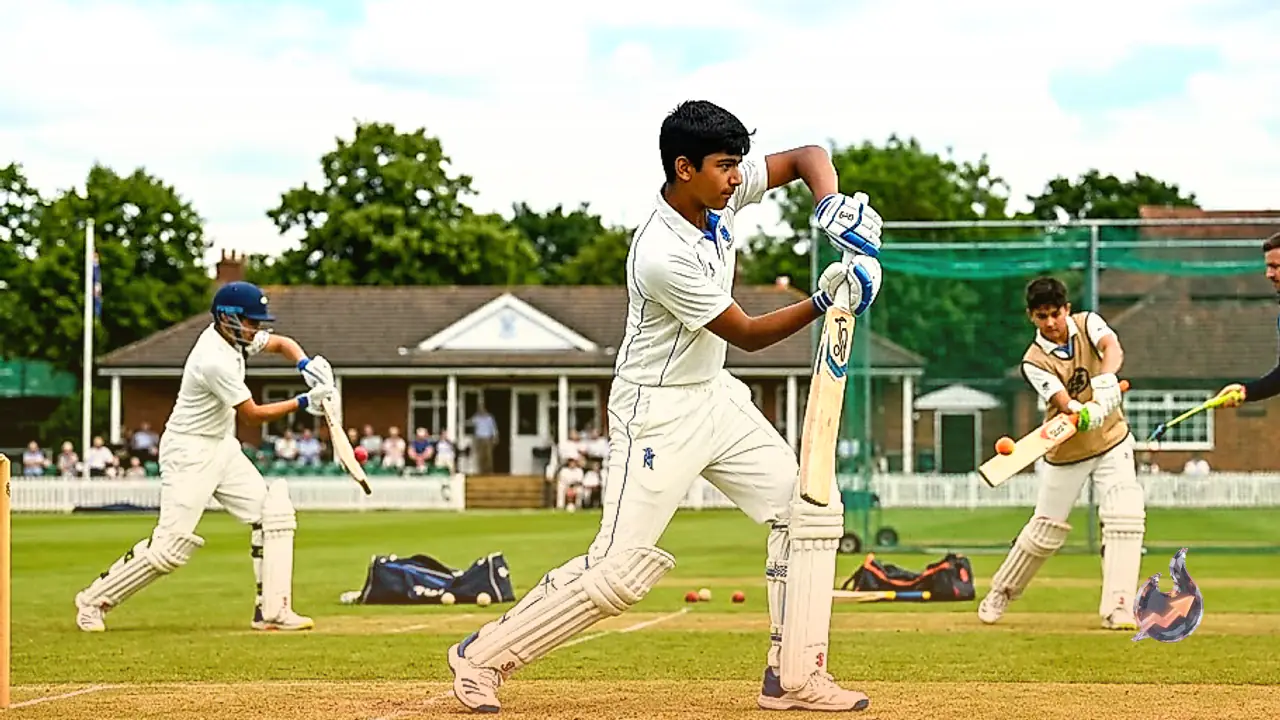

Cricket in India has witnessed a natural evolution of sporting icons across eras. There was a time when aspiring kids practiced for hours dreaming of becoming the next Sunil Gavaskar. The subsequent generation of the 1990s found its ultimate benchmark in Sachin Tendulkar, prompting countless young enthusiasts to join coaching camps with hopes of emulating his masterclass. In the contemporary setting of Gen-Z and Gen Alpha, aspiring cricketers entering academy gates overwhelmingly look up to Virat Kohli, aiming to shape their careers after his dynamic presence on the crease. For any young batter aiming to develop commanding off-side strokes reminiscent of elite professionals, incorporating specific fundamental drills into their regular training routine can make a transformative difference.
Building Bat Path and Balance Through Shadow Batting
Shadow batting against a plain wall remains one of the most reliable methods to iron out technical flaws in bat swing and body alignment. To execute this properly, place the young batter approximately 4 to 5 feet away from a wall and have them rehearse shots without an actual ball. The focus during this routine should center around defensive prods, front-foot drives, and straight drives. It is crucial to monitor that the head stays positioned directly over the imaginary line of the delivery, the front foot strides forward smoothly, and the bat comes down straight while staying tight to the body. This unhurried repetition establishes a clean bat swing and sharpens positional balance over time.
Developing Nimble Footwork with Tennis Balls
Executing crisp and authoritative shots through the off side relies heavily on when and how a batter moves their feet. A simple tennis ball exercise works wonders in correcting sluggish or hesitant footwork. The feeder should stand at a short distance and deliver underarm or soft tennis ball throws toward the batter without excessive pace. Mixing up the deliveries, sometimes pitching them full and other times slightly away from the body, challenges the player to read the line accurately and choose between pressing onto the front foot or transferring weight to the back foot. Young learners must be reminded consistently that high-quality stroke play originates from disciplined foot positioning before the hands take over.
Sharpening Timing with Drop-Ball Reaction Routines
Interestingly, several international fast bowlers renowned for extreme pace honed their fundamentals playing tennis ball cricket, and the humble ball plays an equally vital role in batting development. In this specific reaction exercise, the batter assumes their regular stance while an assistant drops a tennis ball from varying heights directly in front of them. The objective is to make solid contact straight out of the middle of the bat. This routine enhances hand-eye coordination, quickens ball-tracking instincts, and naturally refines timing. Coaches should begin by having the batter focus strictly on defensive blocks before gradually introducing drives and cut shots into the drill.
Prioritizing Technique and Patience Over Raw Power
Committing just 10 to 15 minutes every day to these three structured drills may not instantly transform a child's off-side play, but it systematically builds a rock-solid cricketing foundation. As the player matures and gains confidence, the difficulty and intensity of the sessions can be progressively scaled up. Reaching the pinnacle of batting mastery is never an overnight achievement. Cultivating a still head, keeping unwavering focus on the ball until contact, and relying on pure timing rather than brute force are the true technical pillars that elevate an ordinary player into an accomplished batter.