























Cricket's Player of the Match award almost always belongs to someone who did something you can point to on the scorecard: a century, a five-wicket haul, a breathtaking caught-and-bowled. Yet in a 2001 Coca-Cola Cup one-day international between West Indies and Zimbabwe, the honour went to a man with none of those things. West Indies fast bowler Cameron Cuffy finished the match without a single wicket, without a run to his name, and without a catch or run-out in the field. Despite that, the panel decided he had done more than anyone else to win the game for his side.
West Indies Build a Formidable Total
Batting first, West Indies were powered by three half-centuries that gave the innings its backbone. Darren Ganga, Chris Gayle and Shivnarine Chanderpaul all passed fifty, and between them they carried the team to a total of 266 for 5 off their full 50 overs. By the standards of one-day cricket from roughly 25 years ago, that was a genuinely strong and fighting score, one that put Zimbabwe under immediate pressure.
Zimbabwe Fight Back to Make It a Thriller
The chase started poorly for Zimbabwe, who lost their first wicket when the total read just 18. Opener Alistair Campbell refused to yield at one end and kept his side in the hunt, but wickets continued to tumble with regularity at the other. For a period the match looked like it would be a comfortable West Indies win. Then Zimbabwe's middle-order batsmen began producing compact, useful contributions that made the target look achievable again, turning what seemed a one-sided contest into a tense, nervy finish.
Cuffy's Spell Quietly Decided the Game
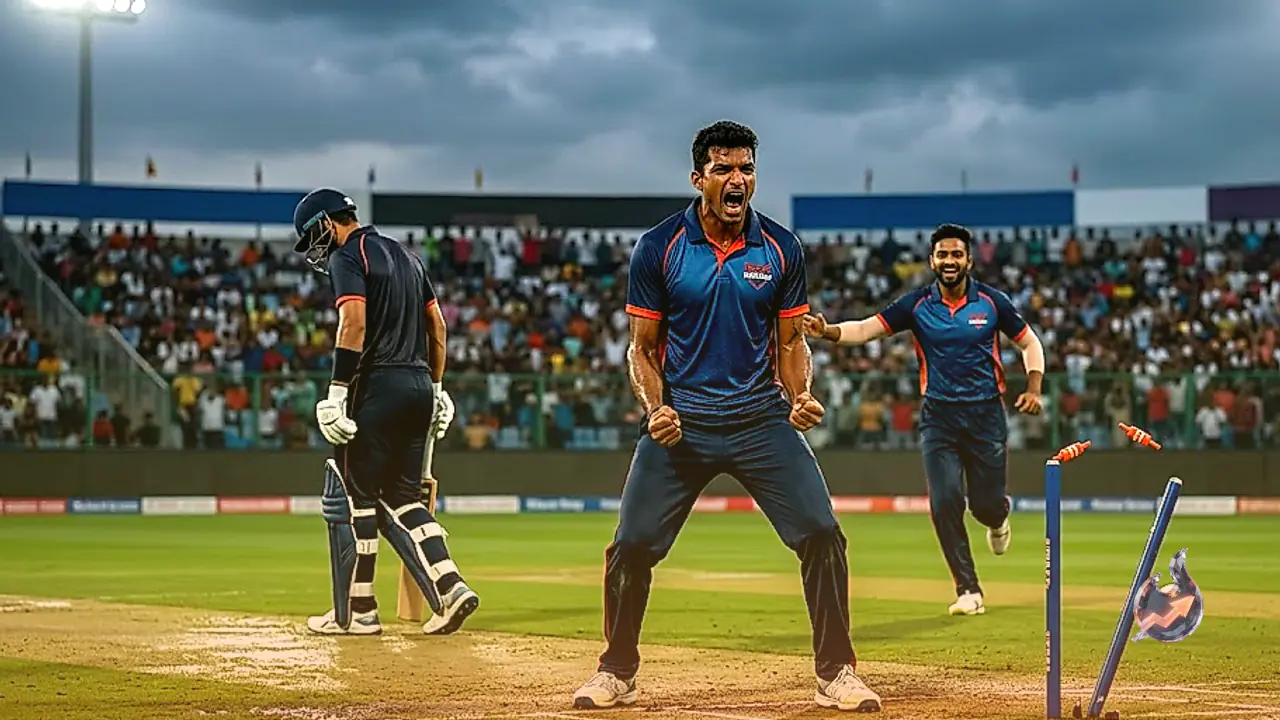
Among the West Indies bowlers, Marlon Samuels and Mervyn Dillon shared the wickets most evenly, with three apiece. Dillon's three cost him 48 runs, while Samuels conceded 28 in just 5 overs. Reon King was the most expensive of the attack, leaking 57 runs through his allocation. Into this context came Cameron Cuffy with something entirely different. Over his full 10-over spell, he gave Zimbabwe's batsmen almost nothing to work with, keeping 2 maiden overs and conceding a total of only 20 runs. The scoreboard pressure he generated was relentless, and though no wicket came his way, the batsmen at the other end simply could not compensate for the runs he was refusing to give.
Zimbabwe's innings finally ended on 239 for 9 from their 50 overs, and West Indies claimed the match by 27 runs. When the Player of the Match was announced, it went to the man with the blank bowling figures in every category that typically counts: no wickets, no catches, no run-outs. Cameron Cuffy's name entered cricket history that day as the player who earned the game's biggest individual match honour on the strength of runs he simply did not concede.
A Career Footnote That Became the Headline
Cameron Cuffy went on to play 15 Test matches and 41 ODIs for West Indies across his international career. In Tests he took 43 wickets, and in one-day cricket he claimed 41. His time in international cricket was not unusually long, but the Coca-Cola Cup match against Zimbabwe gave him a permanent place in the sport's record books. He remains the example people reach for when the conversation turns to bowling economy, match impact, and the idea that a blank wickets column does not always tell the full story of what a bowler actually did on the day.