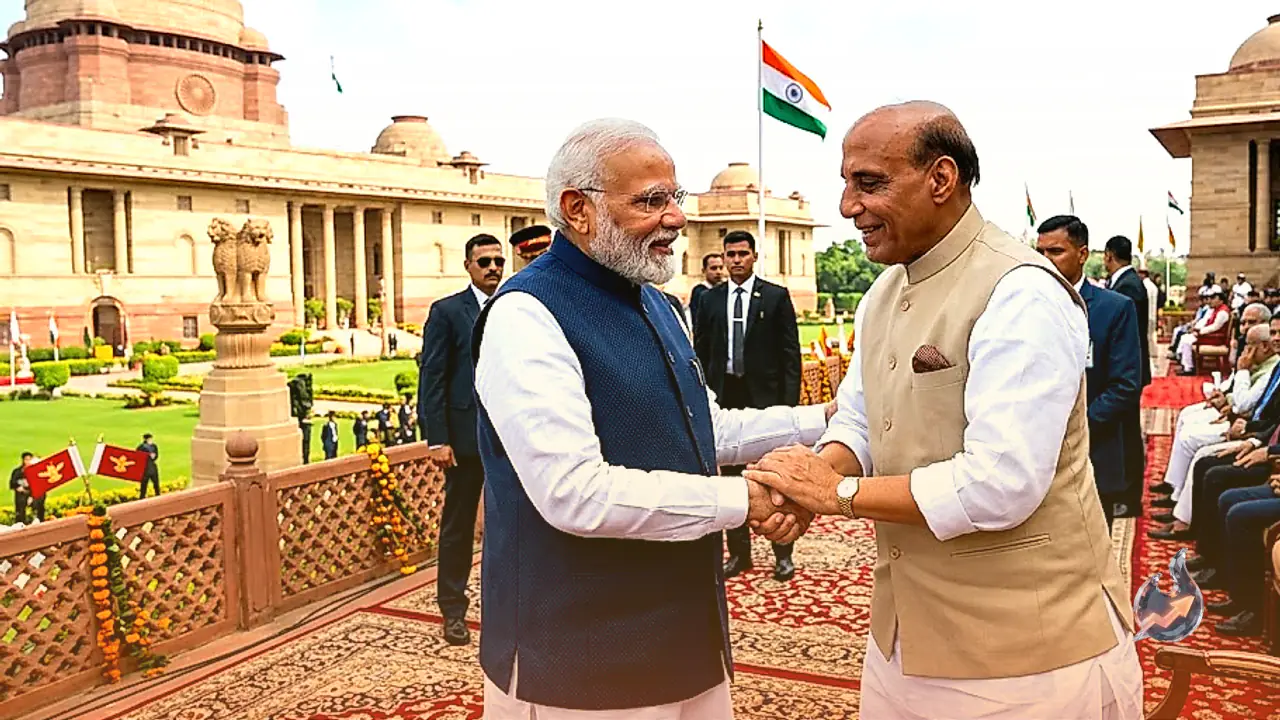





















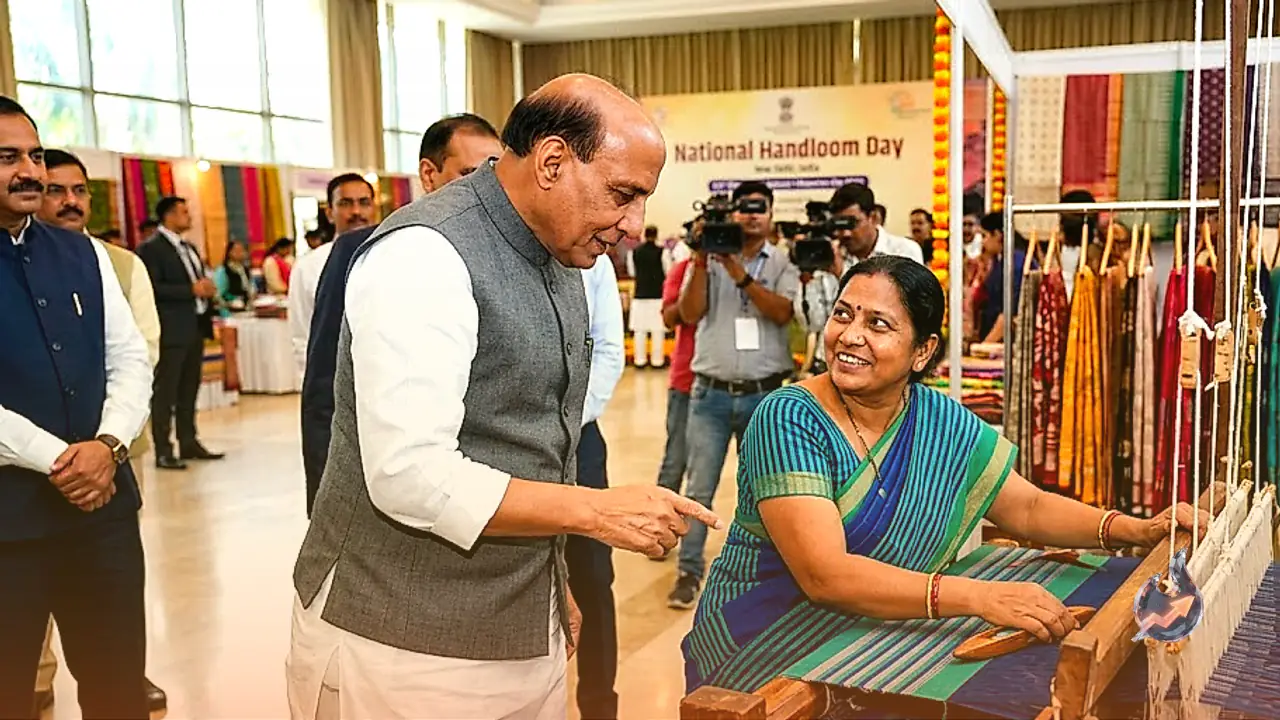

On the occasion of National Handloom Day, nation-wide tributes were paid to India's traditional weaving community and its vibrant textile heritage. Joining the celebrations, Defense Minister Rajnath Singh shared a message on social media platform X, extending warm greetings to citizens. He commended the exceptional craftsmanship of Indian weavers and emphasized their crucial role in fostering national self-reliance.
Initiative Launched in 2015
Reflecting on the significance of the day, Rajnath Singh highlighted that National Handloom Day was instituted in 2015 under the leadership of Prime Minister Narendra Modi. The initiative was established to revive the indigenous handloom sector, empower local artisans, and create sustainable livelihoods across rural and urban centers. He noted that the occasion serves as a tribute to India's cultural identity and commitment to self-sufficient manufacturing.
Messages from Prime Minister and State Leaders
Prime Minister Narendra Modi also extended greetings to the nation, celebrating the skill and resilience embedded in India's weaving legacy. Joining the effort to support local craftsmen, Andhra Pradesh Chief Minister Naidu encouraged citizens to adopt traditional attire by wearing handloom garments at least once every month. Leaders across the country underscored that consumer support is vital for sustaining traditional weaving communities.
Preserving Artisanal Heritage and Local Industry
Handloom production represents far more than fabric creation; it reflects deep patience, artistic precision, and regional diversity. Creating handwoven textiles demands immense dedication and time-tested skills. According to Rajnath Singh's message, celebrating local craftsmanship and actively purchasing handloom products remain the most effective ways to ensure these traditional art forms thrive in modern times.
Public Reaction
The post by Rajnath Singh drew varied responses from social media users. While many expressed pride in wearing Indian Khadi and handloom products, applauding the durability of local fabrics, several individuals highlighted concerns regarding employment opportunities and pending recruitment drives.