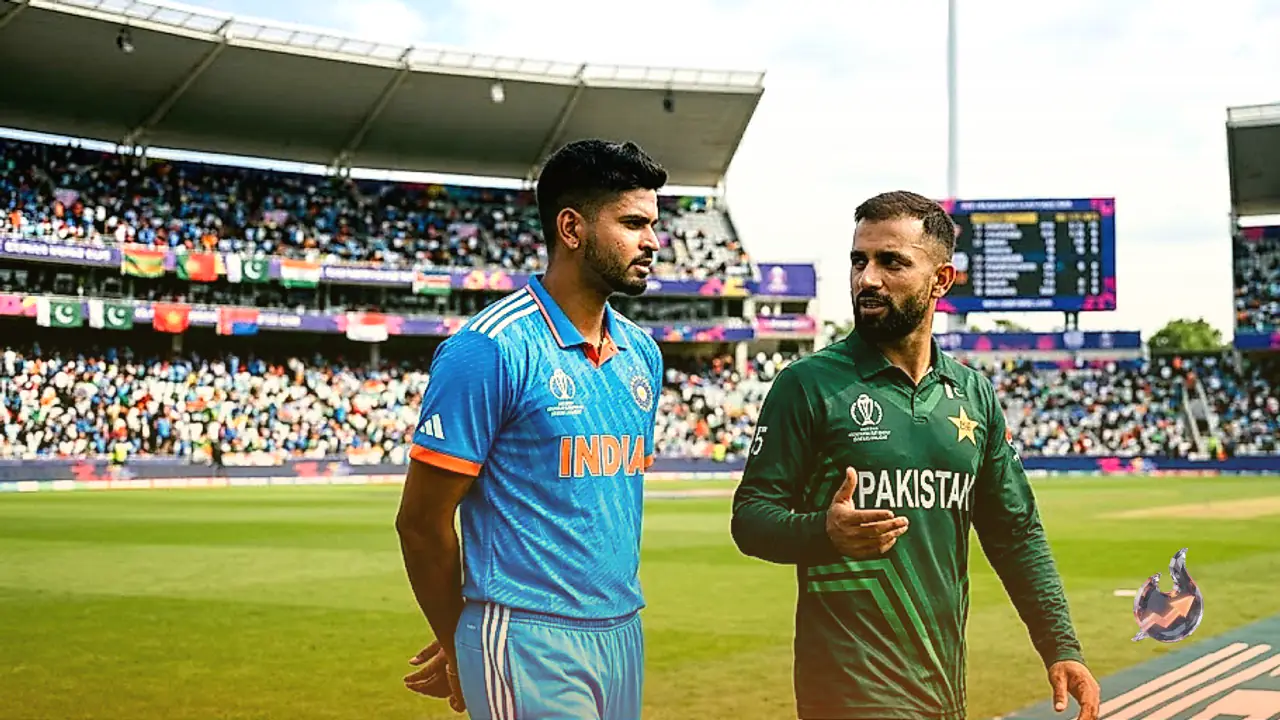




















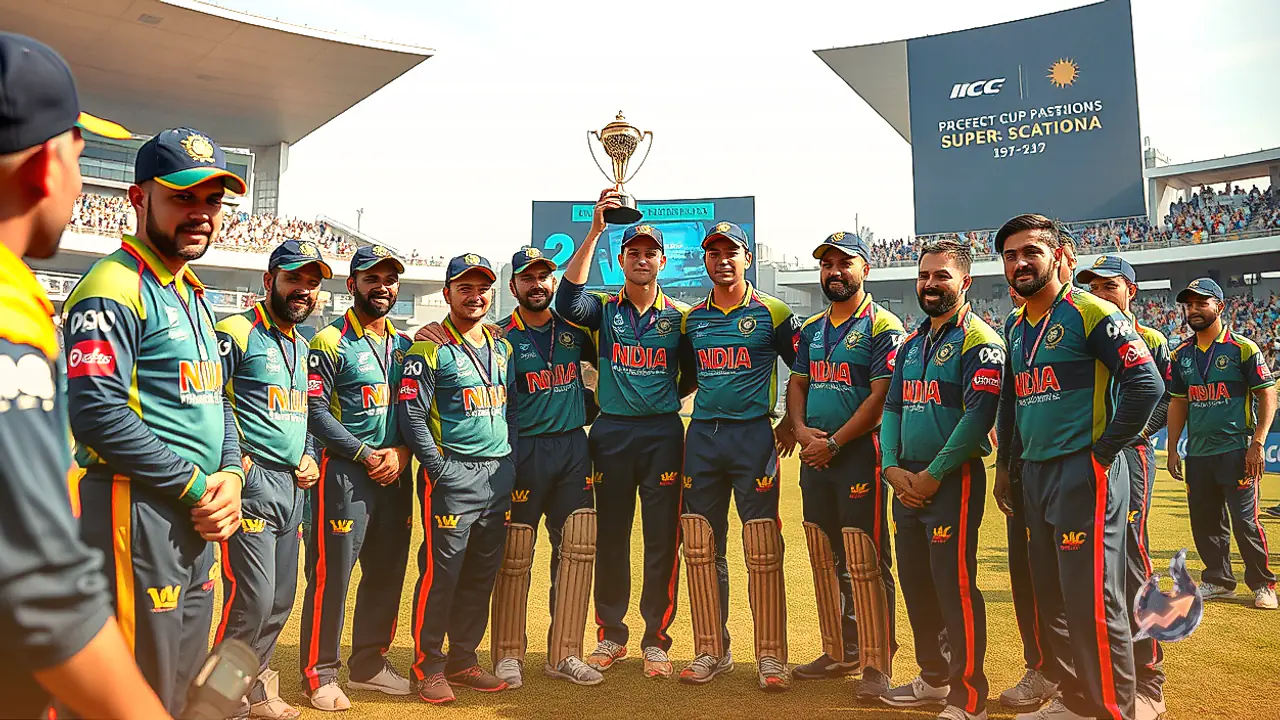

Cricket enthusiasts will witness a completely overhauled competition structure for the 2027 Men's One-Day International World Cup, breaking away from traditional single-table formats. The global tournament expands its field from 10 teams seen in 2023 to 14 competing nations. South Africa and Zimbabwe have already confirmed their places as co-hosts of the event. Furthermore, eight additional sides secured automatic qualification based on their standings in the ICC ODI rankings on the September 30 cutoff date. That qualified group includes India, Australia, England, Pakistan, New Zealand, Sri Lanka, Afghanistan, and Bangladesh. The remaining four spots in the expanded roster will be decided through qualifier matches scheduled for next year.
A Three-Tier Structure Replacing the 2023 Model
The previous tournament in 2023 utilized a straightforward 10-team round-robin schedule, where every participant faced nine opponents before the top four advanced straight into the semi-finals. For 2027, the governing body has built a multi-layered progression system spanning approximately seven weeks. This structural change is designed to handle 14 squads without diluting competitive balance, giving emerging cricketing setups an opportunity to play on the sport's biggest stage while requiring heavyweights to maintain elite standards across multiple phases.
Opening Super Series and the 12-Team Round 2 Battle
The tournament begins with an initial Super Series, a three-team round-robin contest featuring sides advancing from the qualifying pathway. Only the winner of this opening segment earns a direct ticket to join the next tier of action.
Round 2 serves as the primary group phase involving 12 nations. This pool consists of the 10 direct qualifiers, the main qualifier champion, and the Super Series winner. Organizers will split these 12 teams into two groups of six each, producing a total of 30 fixtures across the round. Advancement criteria will be rigorous: the top three teams from each group, along with the single best fourth-placed team across the two pools, will advance. That mechanism delivers exactly 7 teams into the tournament's signature phase.
Super 7 Stage Introduced as the Ultimate Crucible
The centerpiece of the 2027 revamp is the newly minted Super 7 stage, a concept entirely absent in the 2023 edition. All seven qualifying teams from Round 2 will compete against each other in a round-robin showdown comprising 21 individual matches. This round ensures that every advancing country tests itself against the strongest surviving opposition in the draw. With 21 high-intensity games on the schedule, consistent form across an extended window will be vital to remaining in contention.
Semi-Final Pairings Leading to the November 21 Title Clash
Following the conclusion of the Super 7 phase, the top four teams on the consolidated standings will book spots in the semi-finals. While four qualifiers advance just as they did in 2023, the path to reaching that point involves far more hurdles. In the semi-final matchups, the top-ranked side on the Super 7 table will clash with the fourth-ranked team, while the second and third seeds will battle in the other tie. The winners of those two sudden-death clashes will progress to the World Cup final on November 21, 2027, to determine the global champion.
Prioritizing Endurance and Squad Depth
During the 2023 tournament, several elite lineups accumulated early league victories and secured their semi-final tickets without enduring significant jeopardy in the middle rounds. The 2027 design changes that dynamic by introducing rolling checkpoints. Established outfits cannot rely solely on preliminary group momentum, as the grueling 21 matches in the Super 7 phase demand sustained fitness and strategic depth across seven weeks of high-stakes international cricket.