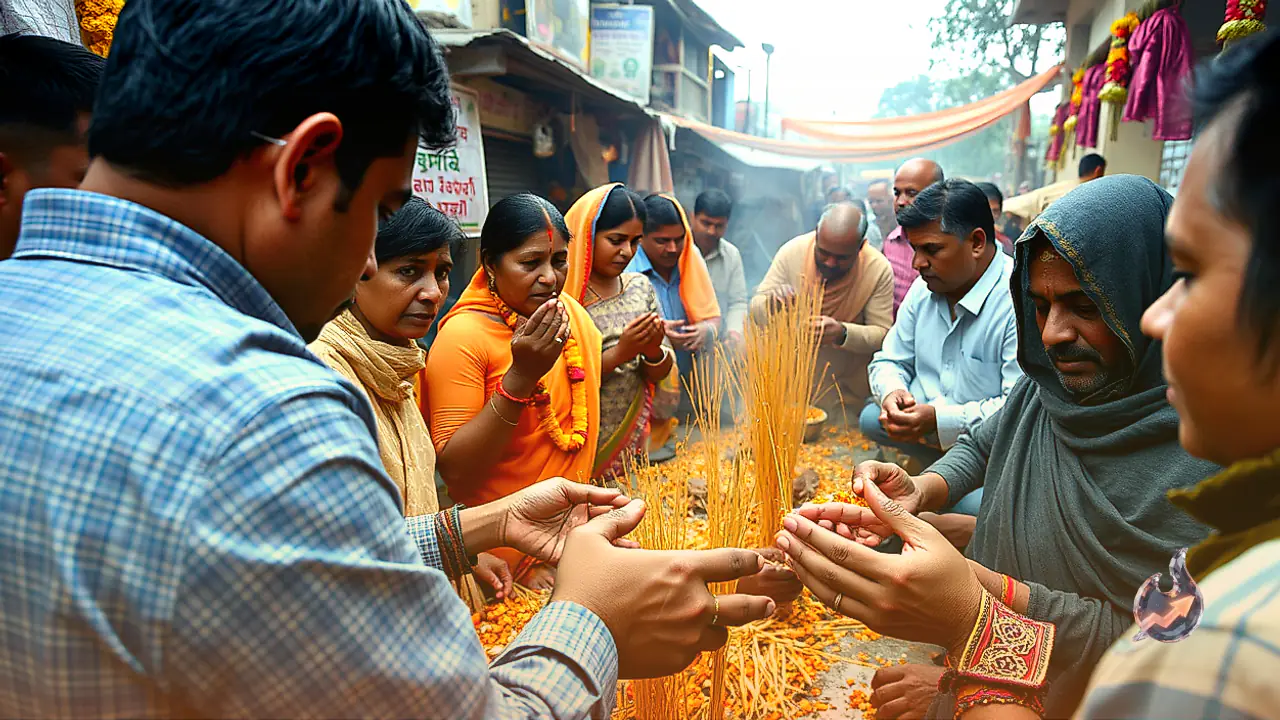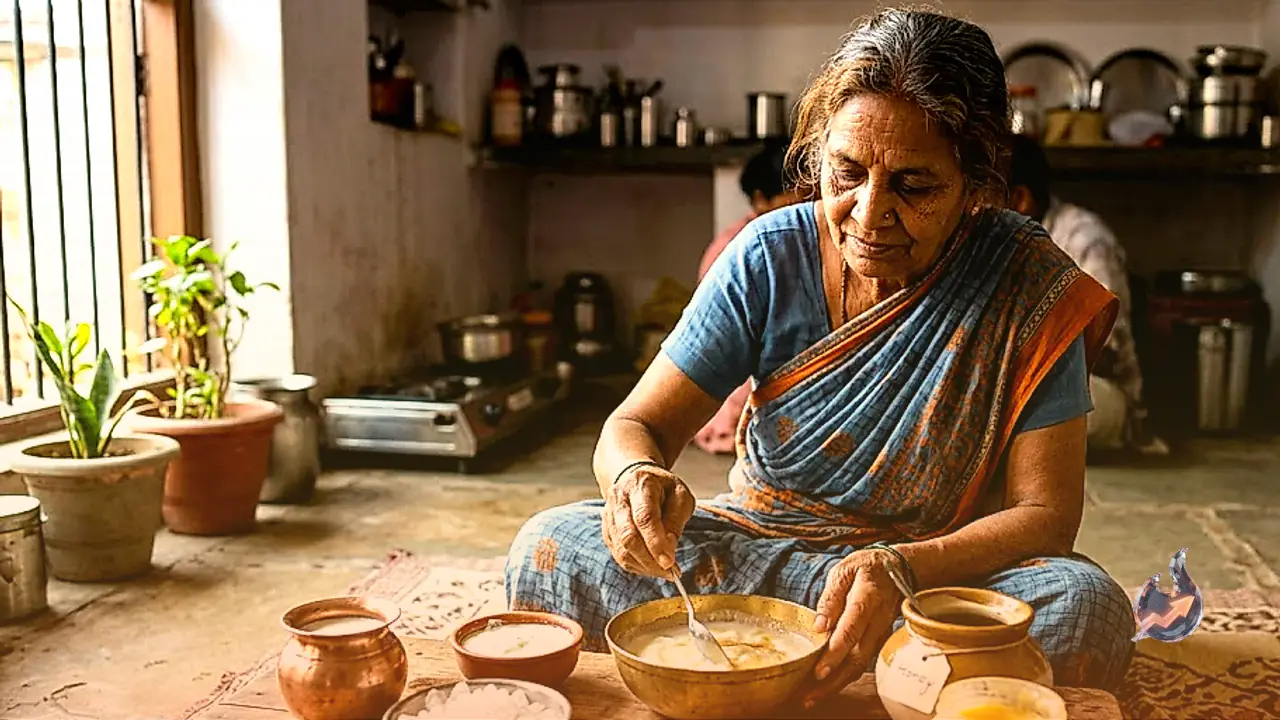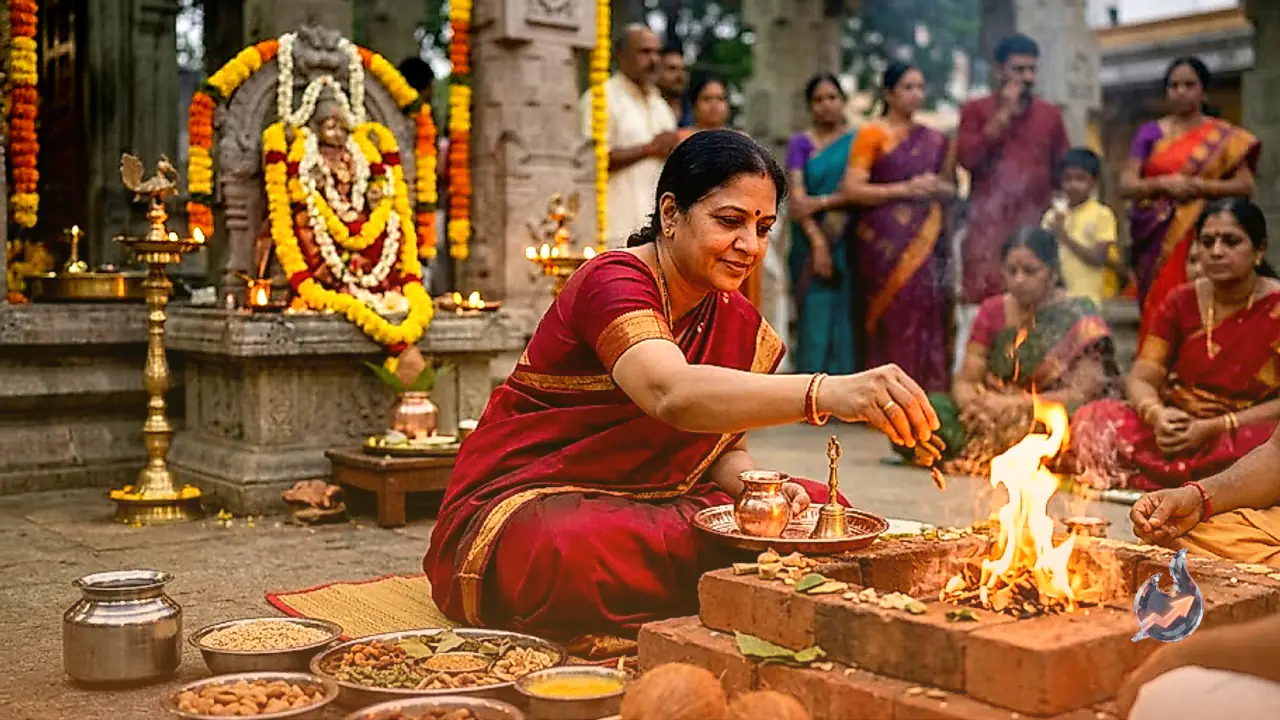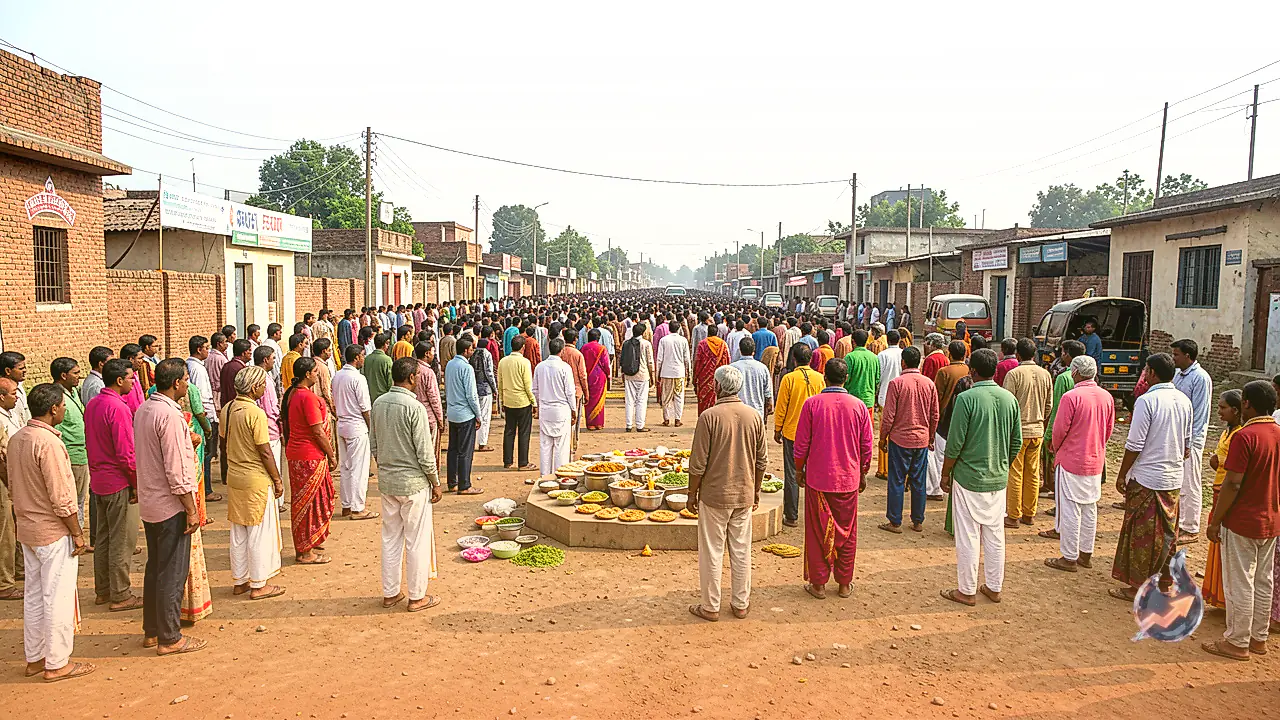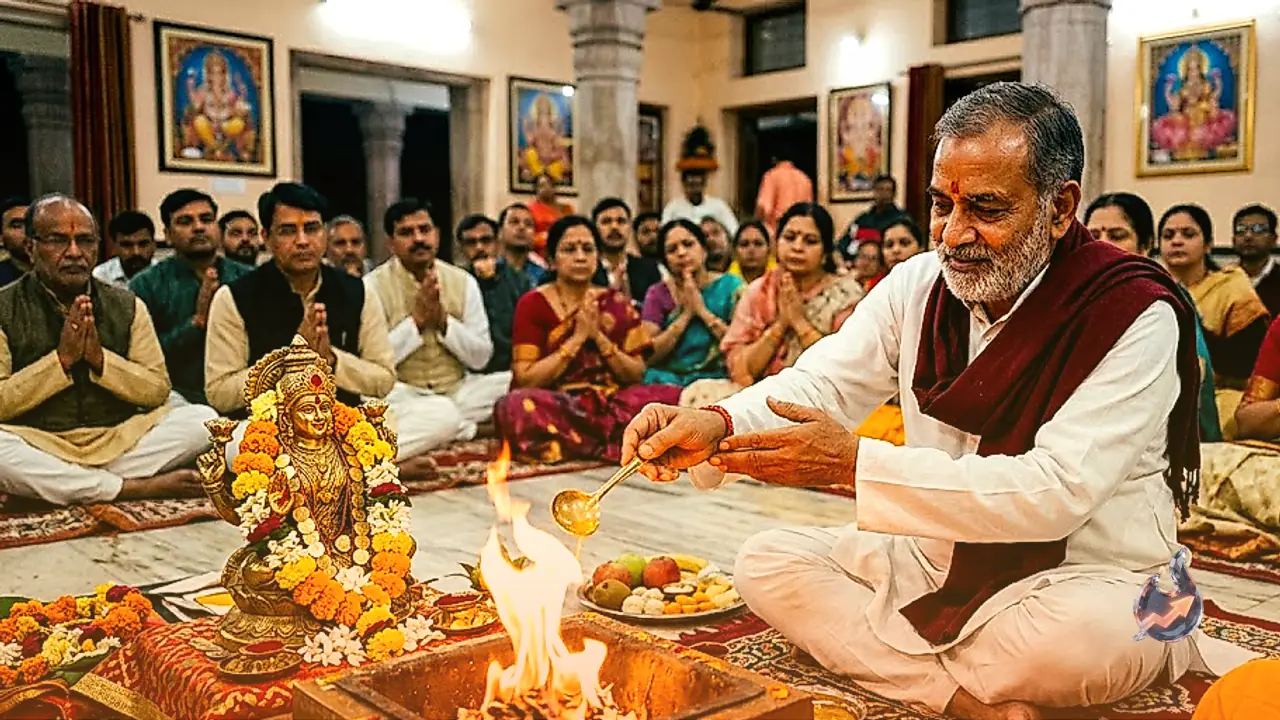





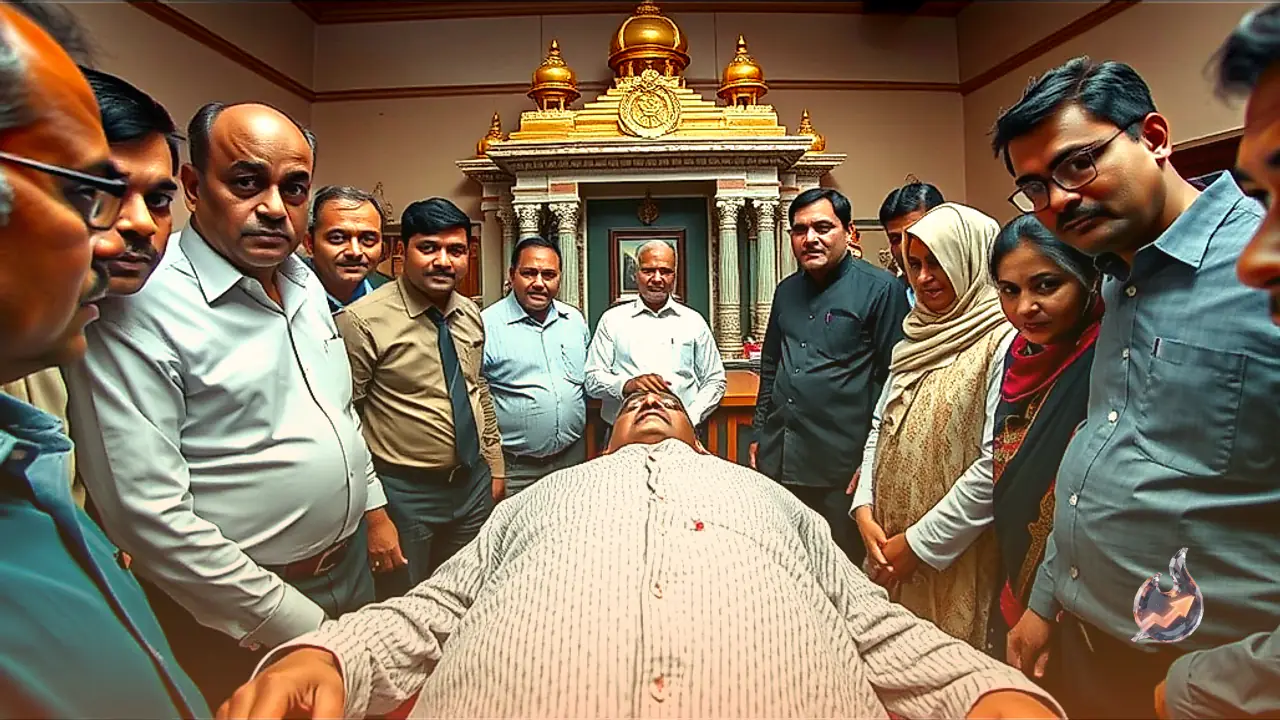

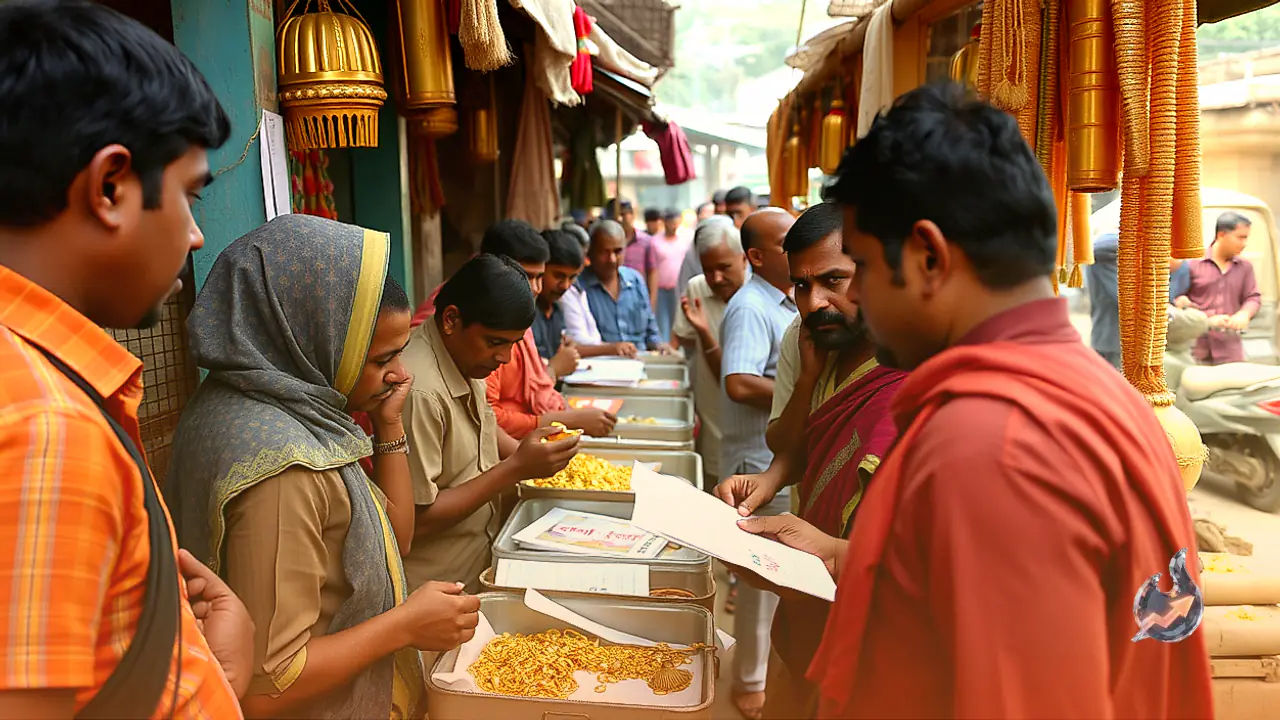















Within Hindu tradition, the dedicated window observed for remembering ancestors and offering homage holds profound spiritual significance. Spanning sixteen days from the Pratipada tithi to the Amavasya of the Ashwin month, this sacred fortnight is widely recognized as Mahalaya Paksha or Solah Shraddha. During this dedicated phase, families perform tarpan and pind daan rituals to satisfy the souls of their departed predecessors, seeking deliverance from ancestral debts and perceived astrological afflictions. Alongside these solemn practices, a pervasive popular belief persists that acquiring jewelry, buying land, picking up automobiles, or taking home brand-new garments during this period brings misfortune. Many assume that engaging in fresh commerce disrupts the solemnity required for ancestral remembrance, fearing unforeseen complications if they bring new assets home. Nevertheless, turning to ancient scriptural authorities reveals a distinct difference between folk hesitation and actual doctrinal mandates.
Scriptural Mandates Versus Common Public Misconceptions
Over generations, casual word-of-mouth assumptions have created widespread hesitation, leading many to treat the entire fortnight as an inauspicious window for financial acquisitions. Contrary to this popular reluctance, sacred canonical texts do not impose prohibitions on purchasing material goods. Respected works such as the Ashvalayana Grihyasutra, Matsya Purana, and Garuda Purana affirm that this ancestral interval is not inauspicious. Instead, these scriptures portray it as an occasion dedicated to expressing gratitude, effectively serving as a quiet celebration of ancestral lineage.
According to these classical writings, ancestors visit the households of their descendants in subtle spiritual forms throughout these sixteen days. Observing their progeny living in prosperity, contentment, and financial security brings them genuine joy. No forebear wishes deprivation or stagnation upon their lineage; their enduring desire remains the flourishing and elevation of future generations. The texts note that when descendants purchase useful assets or initiate legitimate tasks while reverently keeping their forebears in mind, the satisfied ancestors bestow blessings encompassing longevity, virtuous progeny, wealth, and academic learning. Consequently, the assumption that material purchases anger the departed finds no grounding in foundational scriptures.
The Core Distinction: Festive Rites vs. Commercial Transactions
A closer examination of scriptural logic demonstrates that religious restrictions apply strictly to major festive life-cycle ceremonies, not to the regular purchase of physical possessions. Families are advised to refrain from organizing weddings, engagements, housewarming ceremonies, infant head-shaving rituals, sacred thread initiations, and lavish launches of new commercial enterprises throughout these sixteen days. The rationale behind this restriction centers entirely on spiritual focus and emotional alignment.
Festive celebrations inherently generate loud revelry, extensive socializing, and outward distractions, which run counter to the disciplined, introspective mindset demanded by ancestral rites. Classical texts note that divine worship relies heavily on devotion, whereas ancestral rites demand rigorous adherence to ritual procedures, purity, and protocol. If a family becomes preoccupied with hosting a grand social milestone, the meticulous execution of tarpan and pind daan can easily be compromised. Maintaining undisturbed concentration on ancestral peace is why major social functions are postponed. Additionally, this timeframe coincides with Chaturmas, the four-month interval when Lord Vishnu rests in cosmic sleep between Devshayani Ekadashi in the bright half of Ashadha and Devuthani Ekadashi in the bright half of Kartik. The broader divine slumber already places grand ceremonies on hold, reinforcing the quiet discipline of the period.
Prescribed Attire, Dietary Discipline, and Daily Restraints
While acquiring necessary property and goods remains permissible, classical tradition demands strict personal austerity and behavioral rectitude across the fortnight. Devotees performing ancestral duties are advised to embrace simplicity in their personal presentation. During rituals and oblations, wearing plain, unpretentious garments in white, light yellow, or muted tones is considered auspicious, fostering mental stillness and solemnity.
Traditional observances discourage grooming practices such as cutting hair and trimming beards during these days. Dietary discipline is equally stringent: all tamasic food items, including meats, poultry, and fish, are entirely excluded from the kitchen. Culinary preparations also omit pungent ingredients such as garlic and onions, while alcohol and intoxicants are rigorously avoided. Disregarding these guidelines is believed to agitate the spiritual atmosphere and cause displeasure to visiting ancestors.
Maintaining Domestic Harmony, Non-Violence, and Moral Conduct
Beyond external rituals and dietary limits, personal conduct within the home plays a decisive role during the fortnight. Maintaining an environment marked by peace, mutual affection, and positive energy is essential, as domestic friction and arguments are considered deeply discordant. Causing distress to vulnerable or impoverished individuals is strictly forbidden, as is inflicting cruelty upon animals and birds, which tradition warns could incur severe karmic fault.
Scriptural lore holds that ancestors may approach their descendants in varied, unexpected forms during this fortnight. For this reason, individuals are urged to interact with everyone through humility, truthfulness, and unwavering respect. Engaging in harsh speech, dishonesty, or contemptuous behavior toward others must be consciously avoided. Sincere devotion accompanied by ethical integrity represents the true essence of ancestral remembrance.