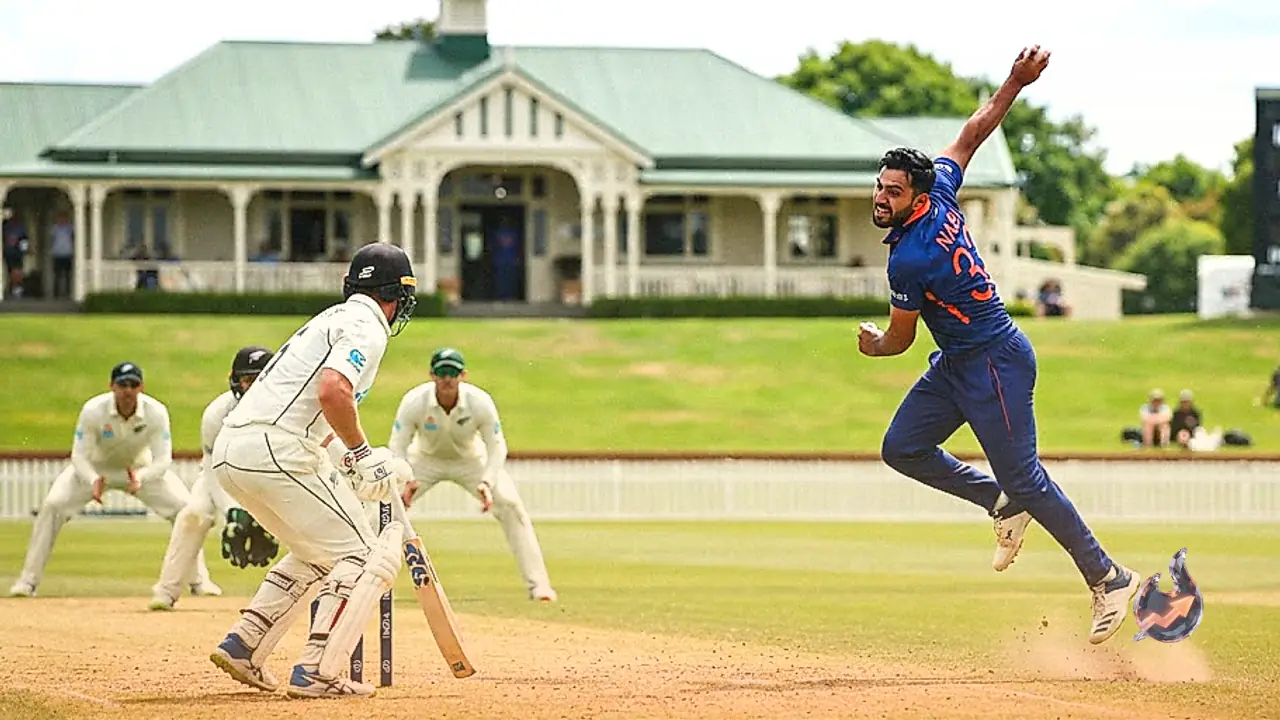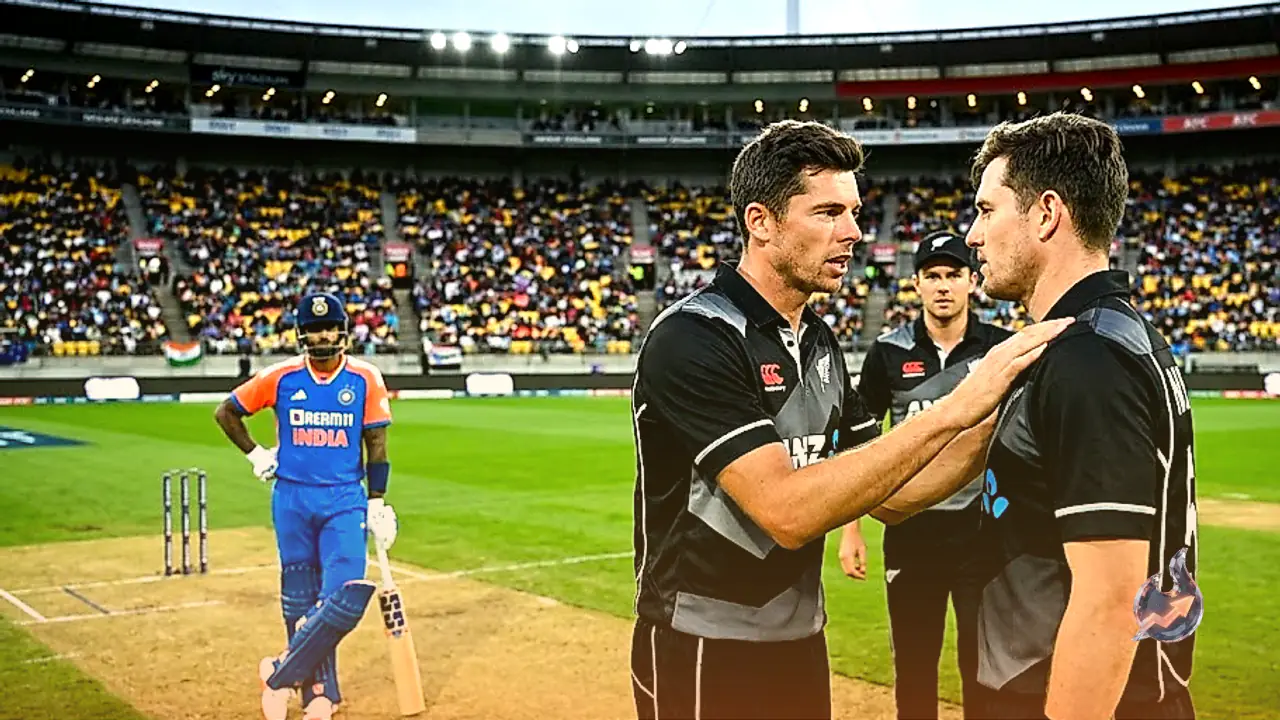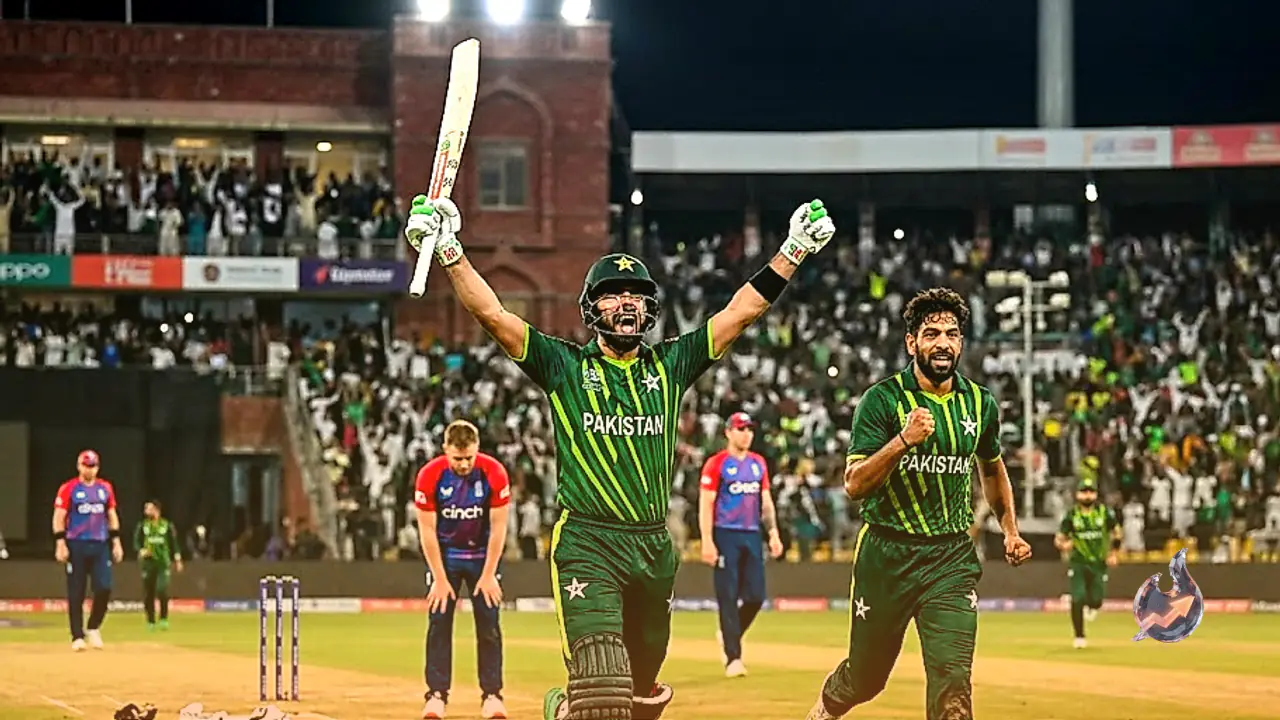























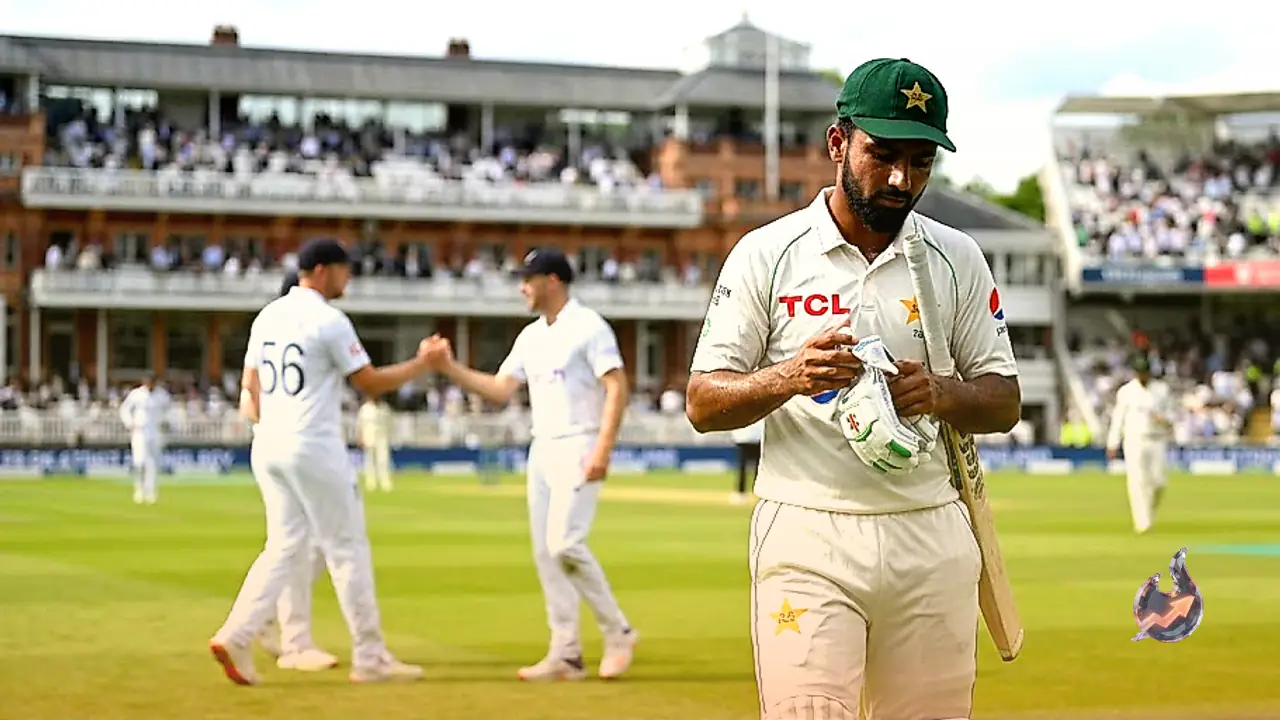

The Pakistan cricket team got off to a disastrous start in the three-match Test series against England. On the opening day of the first Test match at Leeds, Pakistan's batting lineup collapsed for less than 200 runs in their first innings. The entire team was bowled out for just 171 runs in 48.1 overs. Playing without regular captain Babar Azam, the visiting batters struggled to handle England's pace attack and failed to build meaningful partnerships on a tough opening day.
Early Wickets Set Back Pakistan from the Opening Ball
Opting to bat first, Pakistan suffered an immediate setback on the very first delivery of the match when opener Azan Awais was dismissed for a duck. Following the early wicket, opener Abdullah Shafique displayed resilience at one end to stabilize the innings. Shafique struck a hard-fought 61 runs, which proved to be the only half-century of the innings. However, once Shafique fell, Pakistan's middle and lower order collapsed rapidly, leaving the side well short of a competitive total.
Ollie Robinson and Josh Tongue Devastate Pakistan Lineup
England's pace duo of Ollie Robinson and Josh Tongue dominated proceedings, exploiting the home conditions effectively to dismantle the Pakistani batting order. Both Robinson and Tongue produced remarkable spells, picking up five wickets each to share all ten wickets between them. This heavy collapse follows Pakistan's recent two-match Test series against the West Indies, where they bounced back from a first-Test defeat to draw the series 1-1. However, the team now finds itself under severe pressure in Leeds.
Babar Azam Injury Leaves Salman Ali Agha in Charge
Pakistan entered the match without Babar Azam, who had been re-appointed as captain but sustained an injury during the warm-up fixture, ruling him out of this match. In his absence, Salman Ali Agha took over the captaincy duties for the Leeds Test. With four days remaining in the contest, all eyes will be on how England builds their first innings and whether Pakistan can produce a fightback when they take to bat in the second innings later in the match.