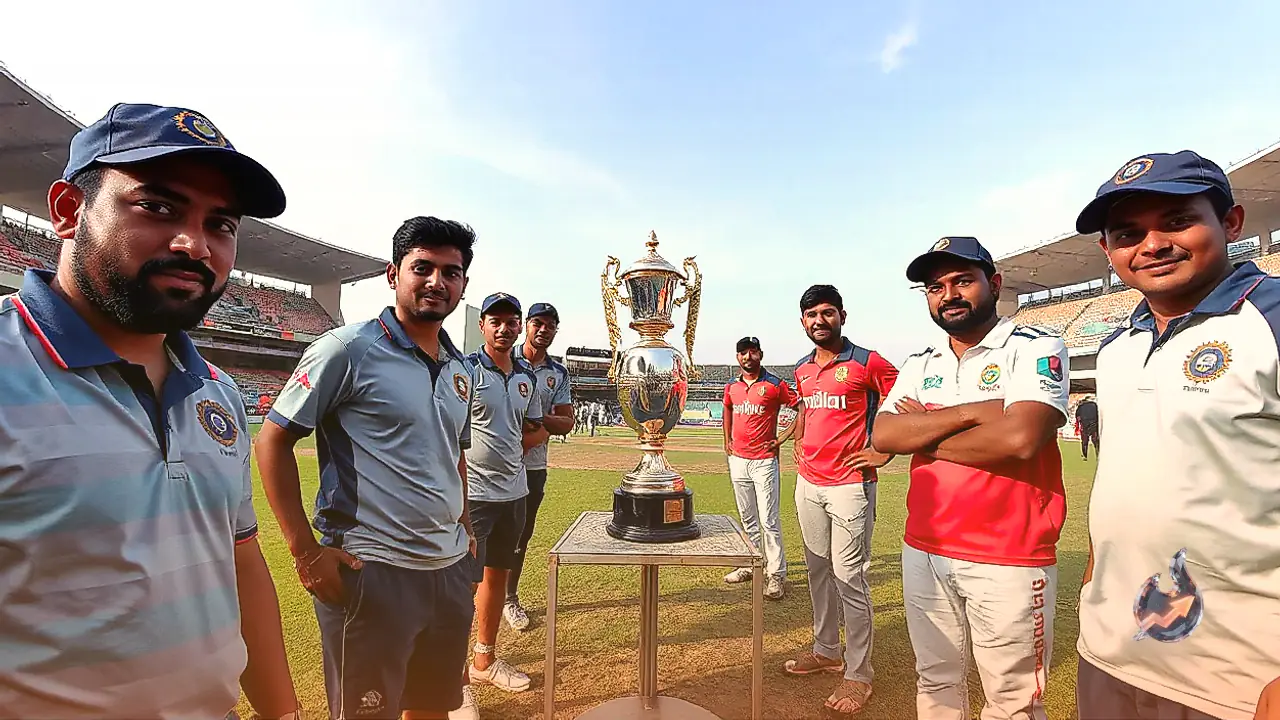
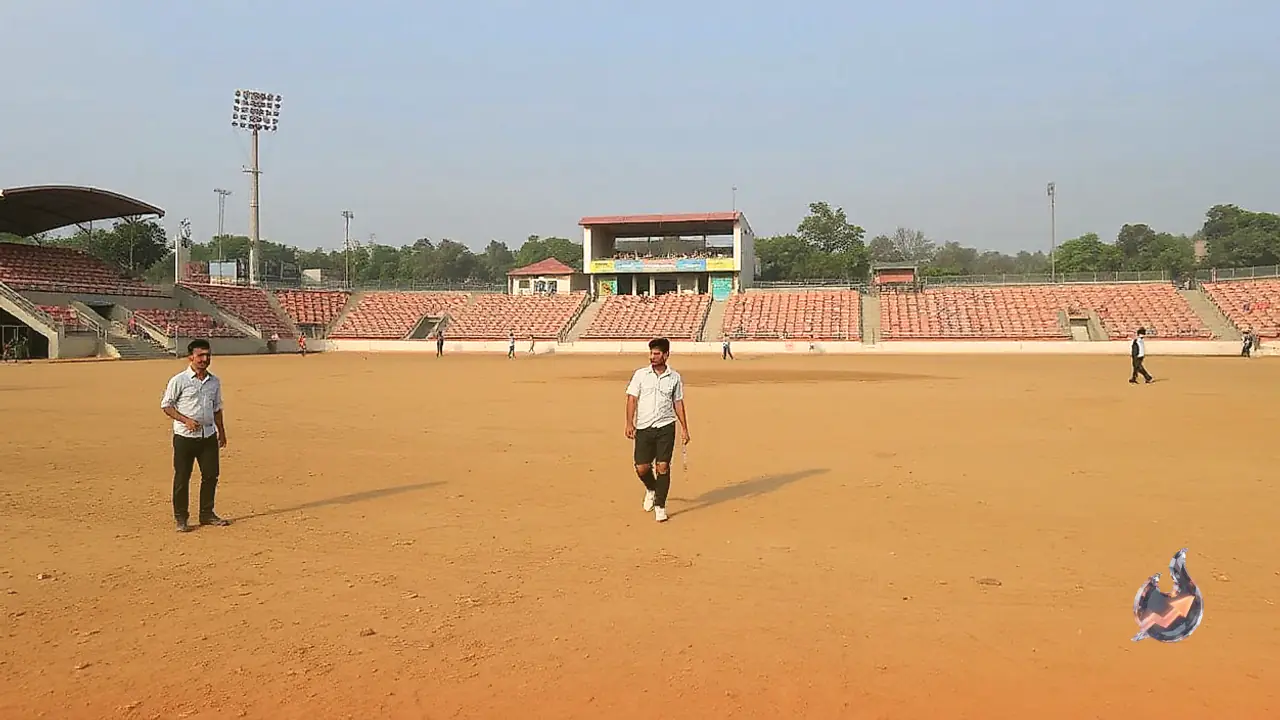






















There was a time when any conversation regarding cricket in Jharkhand revolved almost entirely around the exploits of Mahendra Singh Dhoni. However, with five players from the state securing their places in the East Zone Duleep Trophy squad, that overall progress, especially in unearthing batting talent, has become impossible to overlook. Speaking during the Duleep Trophy final against South Zone, officials highlighted that some very fine young cricketers are emerging from Jharkhand. The five players representing Jharkhand in the East Zone squad include captain Ishan Kishan, experienced Virat Singh, and three promising youngsters namely Kumar Kushagra, Shikhar Mohan, and Anukul Roy.
High Hopes and Selection Insights
Jharkhand cricket authorities have placed enormous expectations on two 21-year-old players, Kushagra and Mohan. Association officials noted that having five state players in the East Zone setup is an accurate reflection of where Jharkhand cricket stands currently, and everyone in that squad fully deserves their spot. In fact, another exceptionally talented player, Sharandeep, narrowly missed out on selection for the prestigious tournament. Officials expressed immense surprise at the level of maturity shown by Kushagra at such a young age, while also praising Roy, who took five wickets conceding 37 runs during the Duleep Trophy quarter-final against North East Zone.
Ishan Kishan and the Shift in Mindset
India wicketkeeper-batter and Jharkhand captain Ishan Kishan echoed similar sentiments regarding the evolution of the team's batting culture. He pointed out that changing initial starts is a habit, and historically, the East Zone setup has lagged behind in building a culture where players convert solid starts into massive totals. Often, players were satisfied with scoring 70 or 80 runs, whereas established batters from opposing teams consistently turned those knocks into monumental scores. Kishan emphasized that he has been urging young Jharkhand batters to understand that making big scores is a habit, urging them to carry on once set so they do not regret throwing away a good knock.
Consistent Performance Across Formats
Kumar Kushagra, who made his first-class debut in 2022 at the age of 18, has accumulated over 2,000 runs in the red-ball format accompanied by six centuries, whereas Mohan, who debuted in the 2025-26 season, boasts an average of 55 with two centuries to his name. However, these players are far from one-dimensional, as both Kushagra and Mohan possess exceptional white-ball statistics as well. Kushagra notably finished as the third-highest run-scorer when Jharkhand clinched their maiden Syed Mushtaq Ali Trophy last season, amassing 422 runs across 10 innings at an average of 60.28. Officials pointed out that their value lies not just in huge centuries, but in crucial 40 and 50-run contributions that alter the course of a match.
Shaping Batters Through Multiday Cricket
The rigorous grounding in multi-day cricket was clearly reflected in Mohan's knock of 85 runs from 120 balls, an innings where the young batter demonstrated exemplary judgment outside the off-stump. Following a stellar debut Ranji Trophy season, the plan for the Duleep Trophy was simply to build on that existing form and maintain momentum. Coaching staff explained that heavy emphasis is being placed on skill development right from the junior levels. By playing practice matches in places like Puducherry for the under-23 setup, the administration aims to expose youngsters to varying conditions and high-pressure scenarios.
Building Concentration for the Long Haul
Coaches emphasized that the more matches youngsters play and the more varied situations they face, the higher their adaptability becomes as cricketers. Spending extended hours at the crease is what transforms a batter into a century-maker, turning it into a consistent habit. Without the unwavering concentration required to bat for long stretches, succeeding in traditional red-ball cricket remains difficult, especially given how vastly different it is from T20 cricket where innings are restricted to a maximum of 20 overs.