



















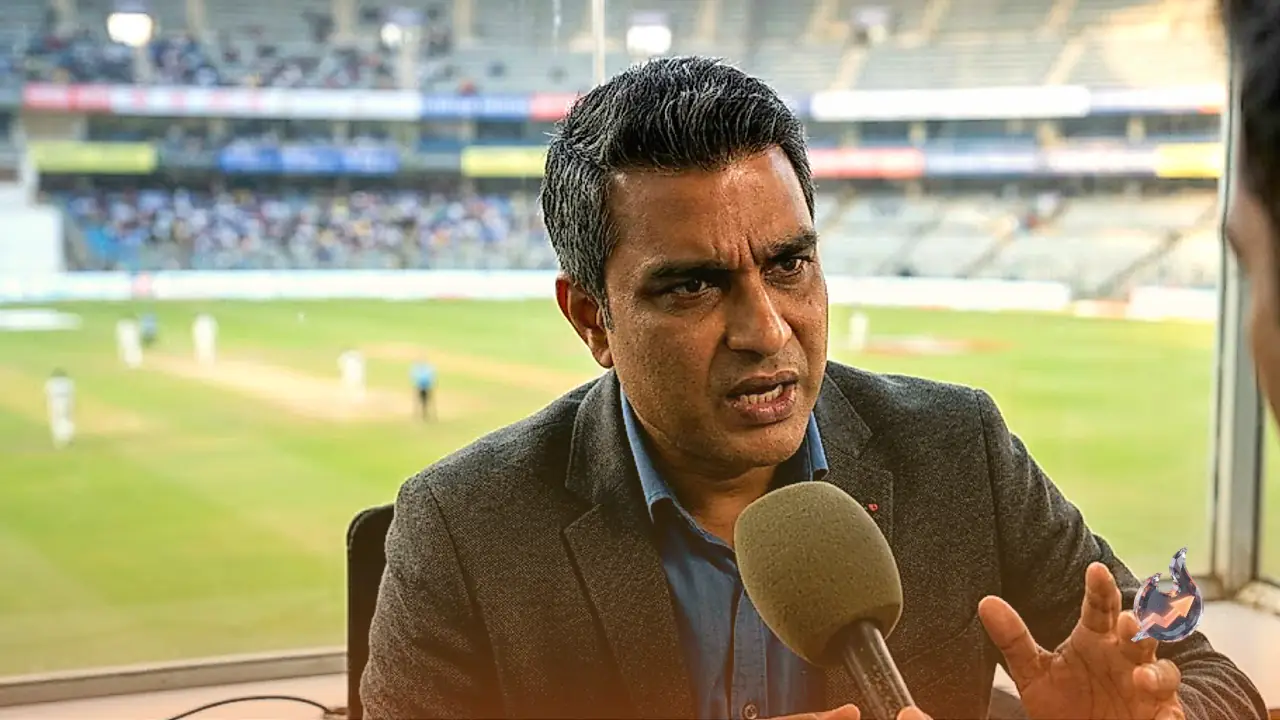

Former cricketer Sanjay Manjrekar, known for his outspoken commentary, raised serious concerns over the on-field behavior of young Indian batters Yashasvi Jaiswal and Vaibhav Suryavanshi. In a social media post published on X (formerly Twitter) on August 26, 2026, Manjrekar tagged both the International Cricket Council (ICC) and the Board of Control for Cricket in India (BCCI). He strongly emphasized that overlooking such aggressive conduct on the field will only encourage players to repeat it, which harms both the game and their own careers.
Sanjay Manjrekar's Post and Call for Accountability
In his social media statement, Sanjay Manjrekar explicitly pointed to recent confrontations involving the two young cricketers. He highlighted that Vaibhav Suryavanshi's behavior while representing India A, followed closely by Yashasvi Jaiswal's actions in the ongoing Test match, sets a bad precedent. Manjrekar stated that allowing young players to walk away from such behavior teaches them to repeat it, which is detrimental to cricket and crucial for their individual futures.
By directly tagging both the ICC and the BCCI, Manjrekar signaled that the issue requires broader administrative attention. His gesture indicates that mere fines or demerit points issued by match referees are insufficient. Instead, he believes team management and the national cricket board must hold young players accountable and instill proper match discipline.
The Colombo Incident Involving Yashasvi Jaiswal and Asitha Fernando
Sanjay Manjrekar's remarks came in the backdrop of a heated clash during the ongoing Test match between India and Sri Lanka in Colombo. On the opening day of the Test, Yashasvi Jaiswal got into a confrontation with Sri Lankan pacer Asitha Fernando. After being dismissed, Jaiswal initially began walking back to the pavilion but suddenly turned around to face Fernando. The two players engaged in a fiery exchange, leading to a tense head-to-head standoff on the pitch.
Following an investigation by match officials, the ICC found both Yashasvi Jaiswal and Asitha Fernando guilty of violating Article 2.12 of the ICC Code of Conduct, which relates to inappropriate physical contact or aggressive behavior towards another player or support personnel. As a penalty, the governing body docked 25 percent of their match fees and added 1 demerit point to each player's disciplinary record.
Vaibhav Suryavanshi's On-Field Argument and Manjrekar's Earlier Reaction
Prior to the Colombo Test incident, Vaibhav Suryavanshi was involved in a similar heated exchange during India A's tour of Sri Lanka. While playing against Sri Lanka A, Suryavanshi engaged in a verbal altercation with an opposing player, creating significant tension on the field. The situation escalated to the point where Sri Lanka A wicketkeeper Niroshan Dickwella had to step in as a peacemaker to separate the two players.
At that time, Sanjay Manjrekar had expressed strong disapproval of the incident. He remarked that had he been the coach or manager of the India A squad, he would have benched Vaibhav Suryavanshi for the subsequent match against Afghanistan A to teach him a lesson in discipline.
Fan Reactions and the Larger Debate Around Discipline
Sanjay Manjrekar's post triggered an immediate response across social media platforms, with fans offering contrasting views. A major portion of cricket fans defended the young players, arguing that Indian cricket has evolved significantly from the 80s and 90s era, when players were often seen as timid on the field. They maintained that modern Team India plays an aggressive style of cricket and stands its ground under pressure.
Other fans argued that commentators should consider the complete story and context on the field before criticizing young athletes publicly. Nevertheless, both Yashasvi Jaiswal and Vaibhav Suryavanshi are at very early stages of their careers and are viewed as the future pillars of Indian cricket. While competitive aggression is natural in sports, physical confrontations exceed acceptable boundaries. The cricketing establishment must ensure that raw talent is balanced with strict professional discipline.