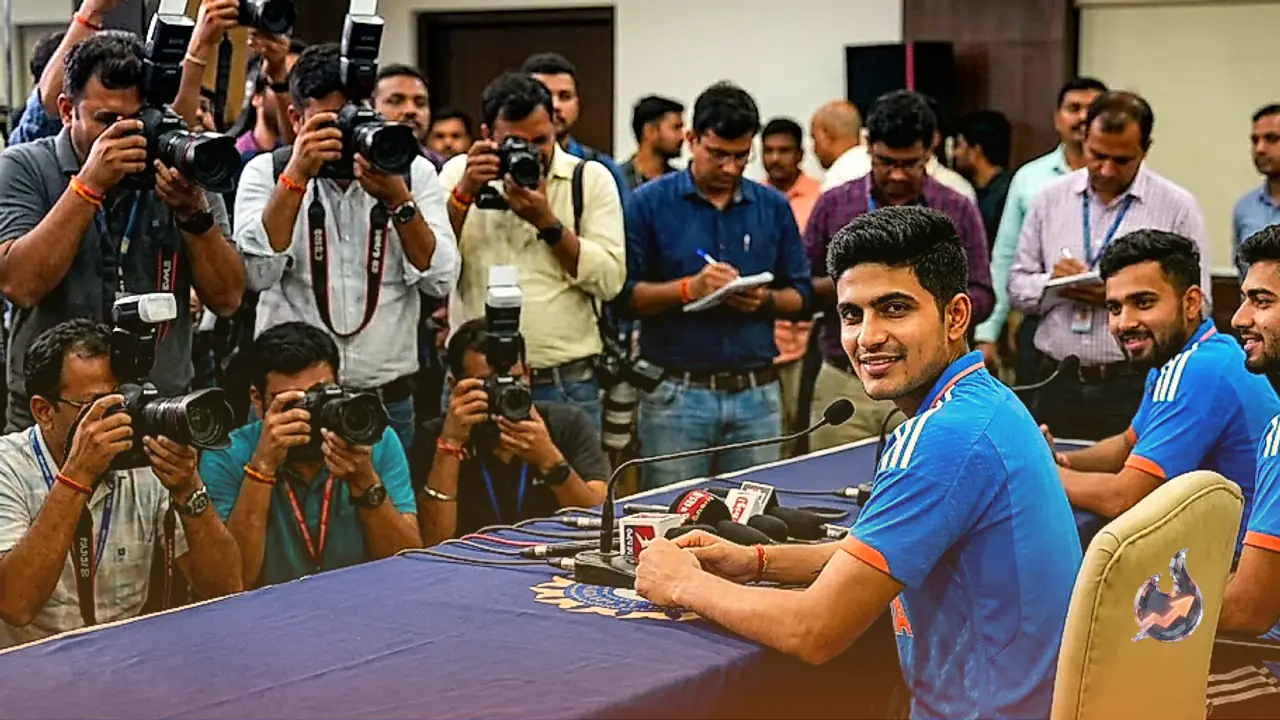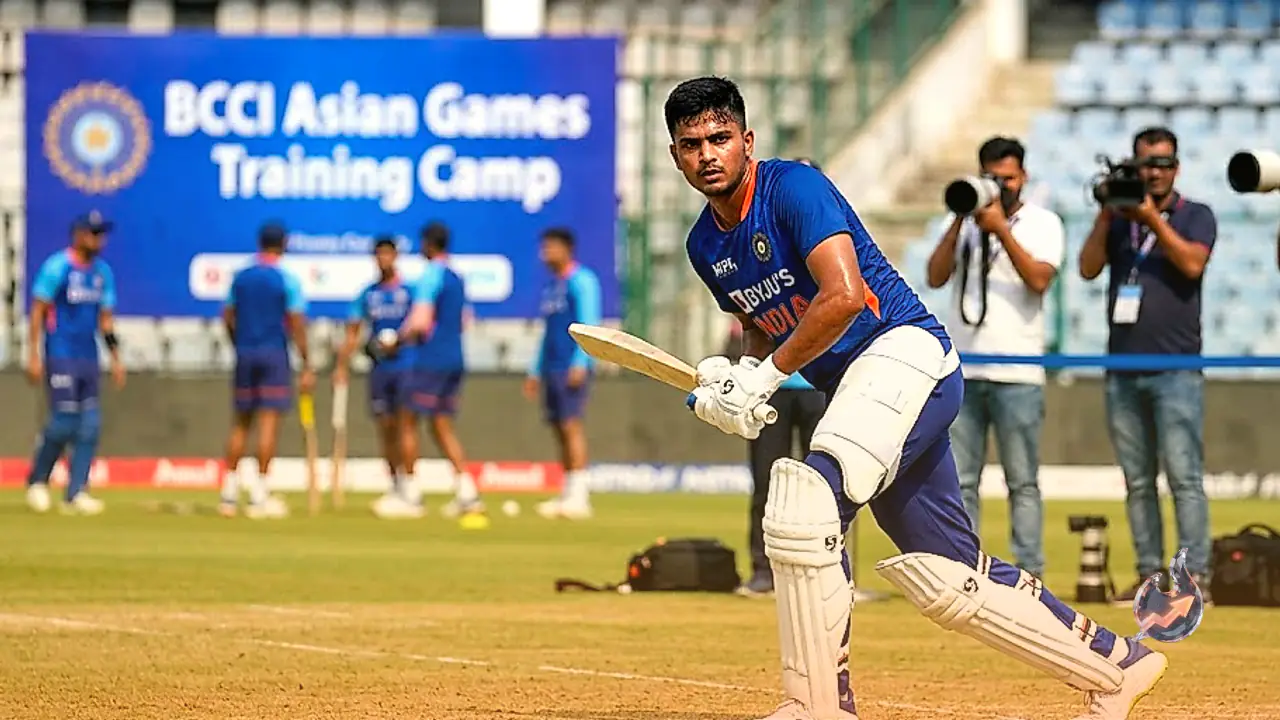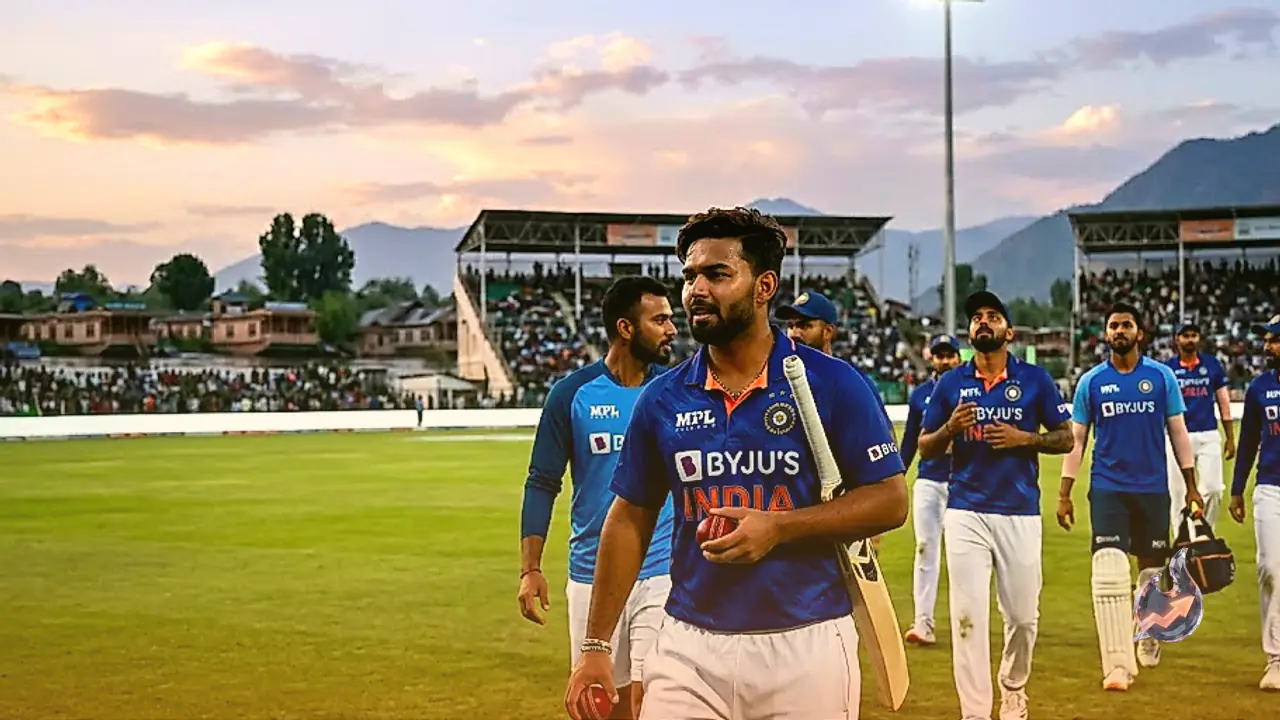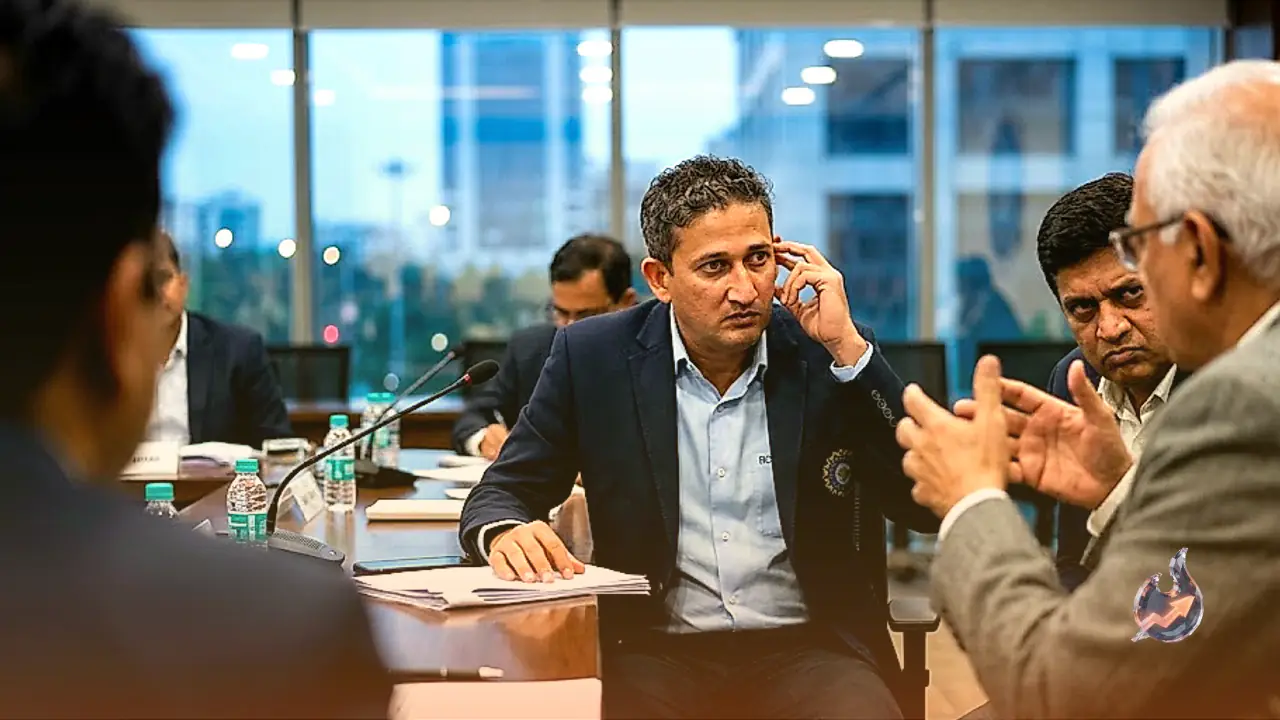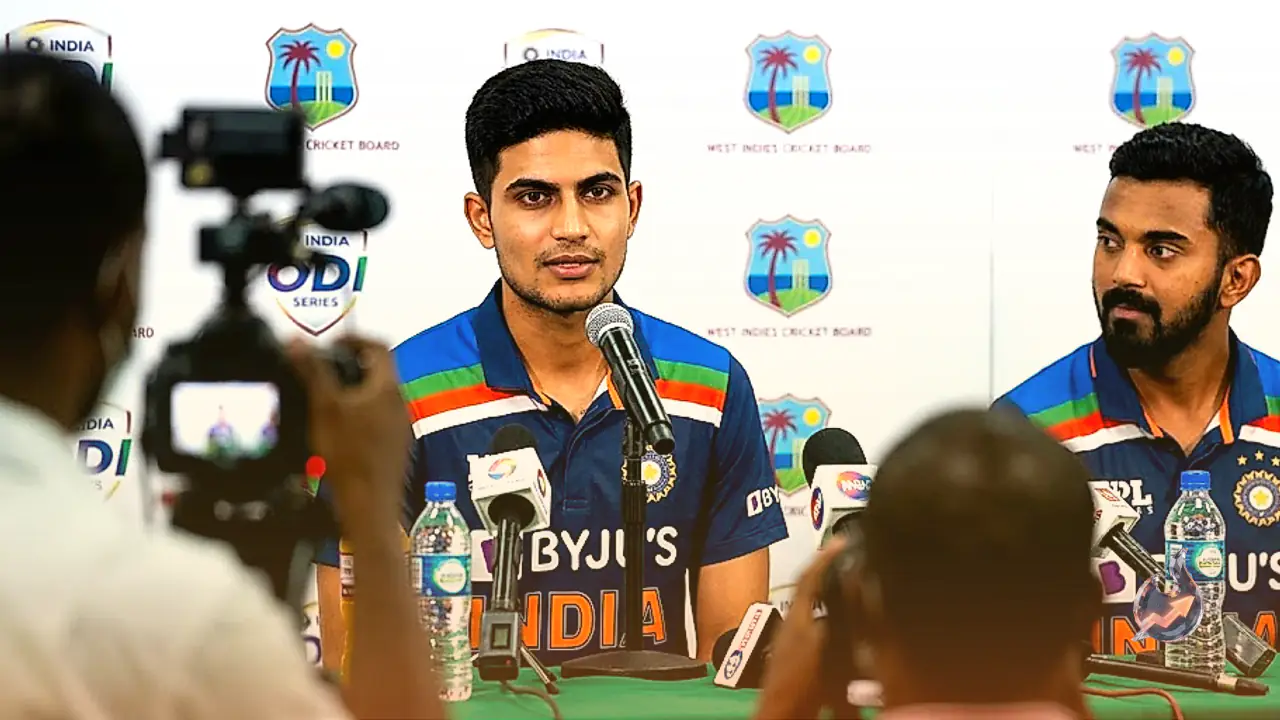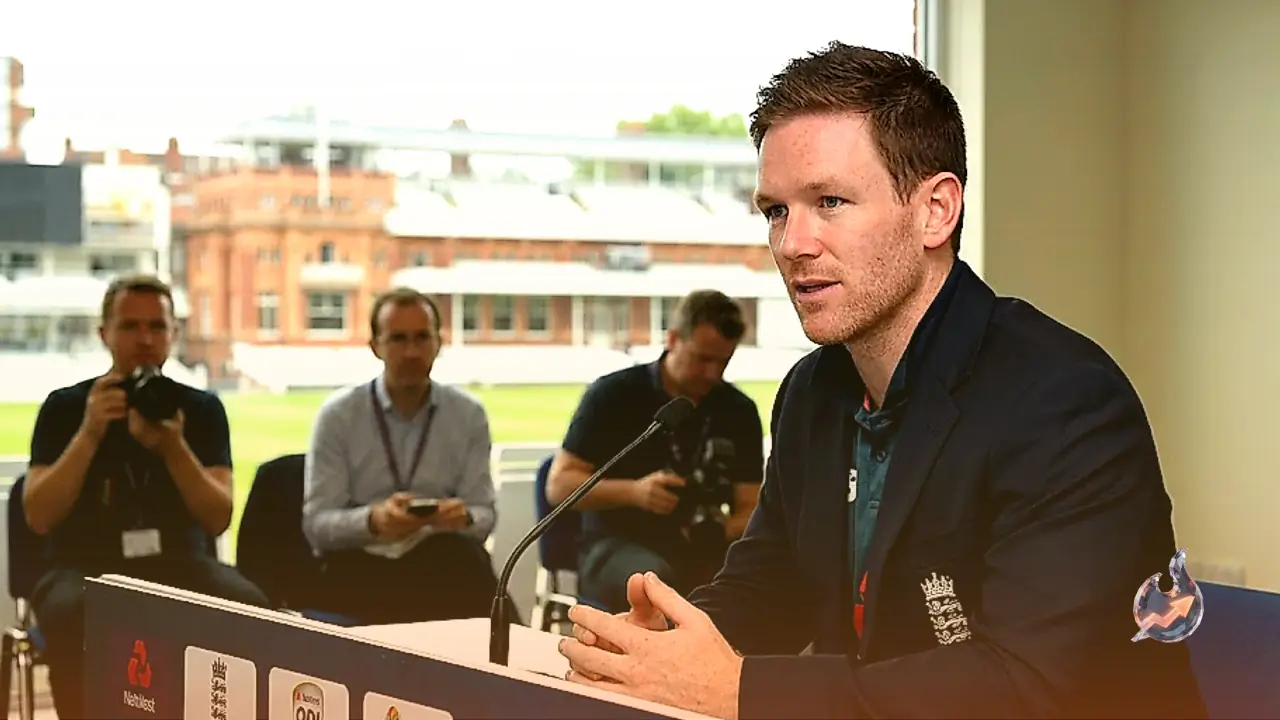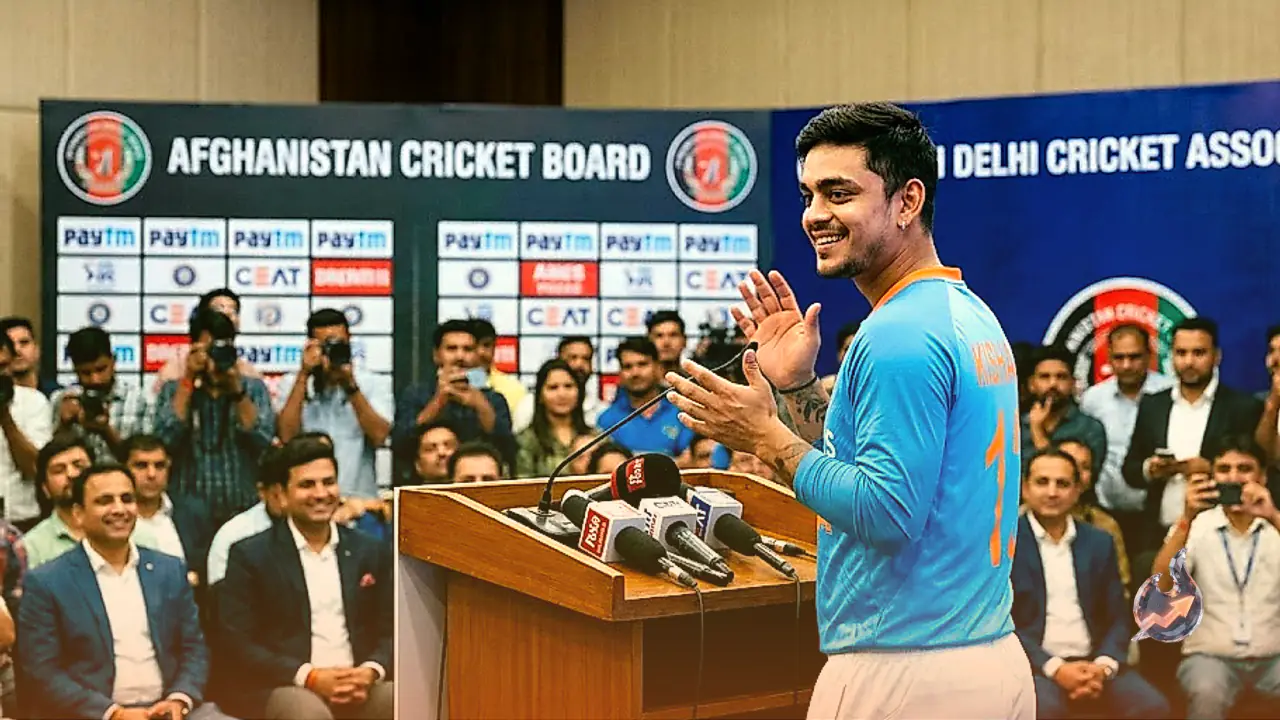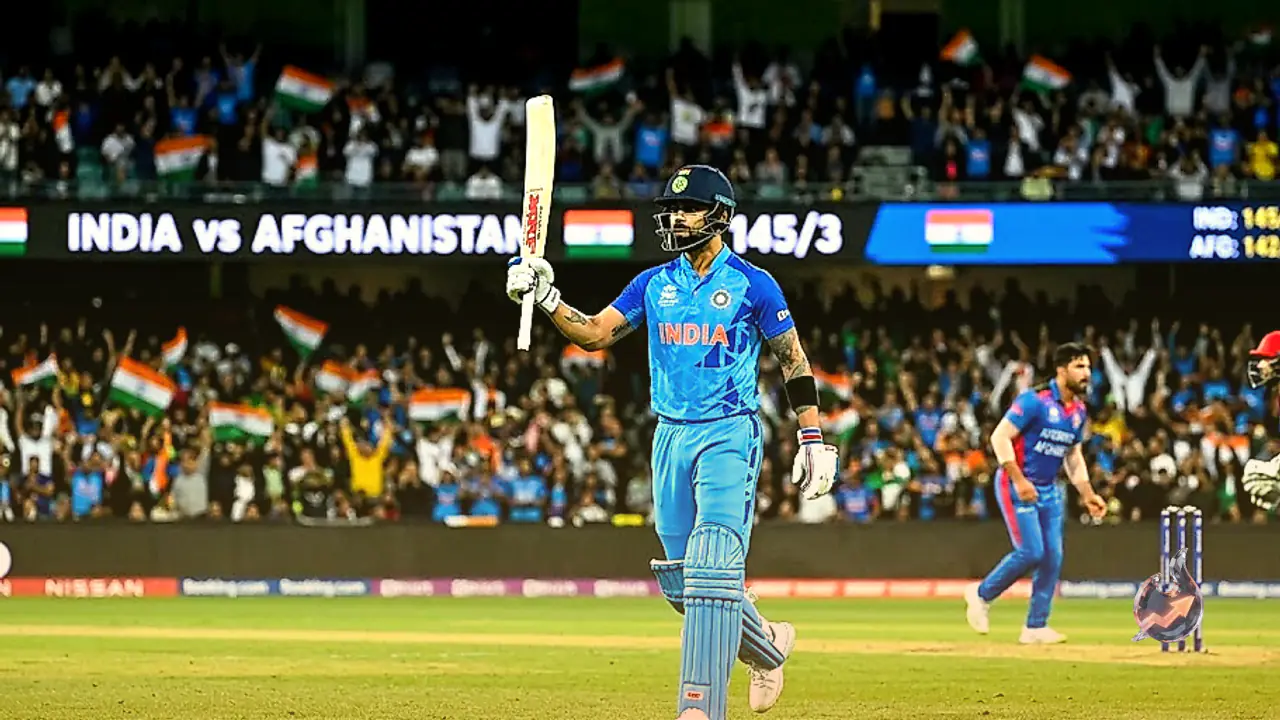



















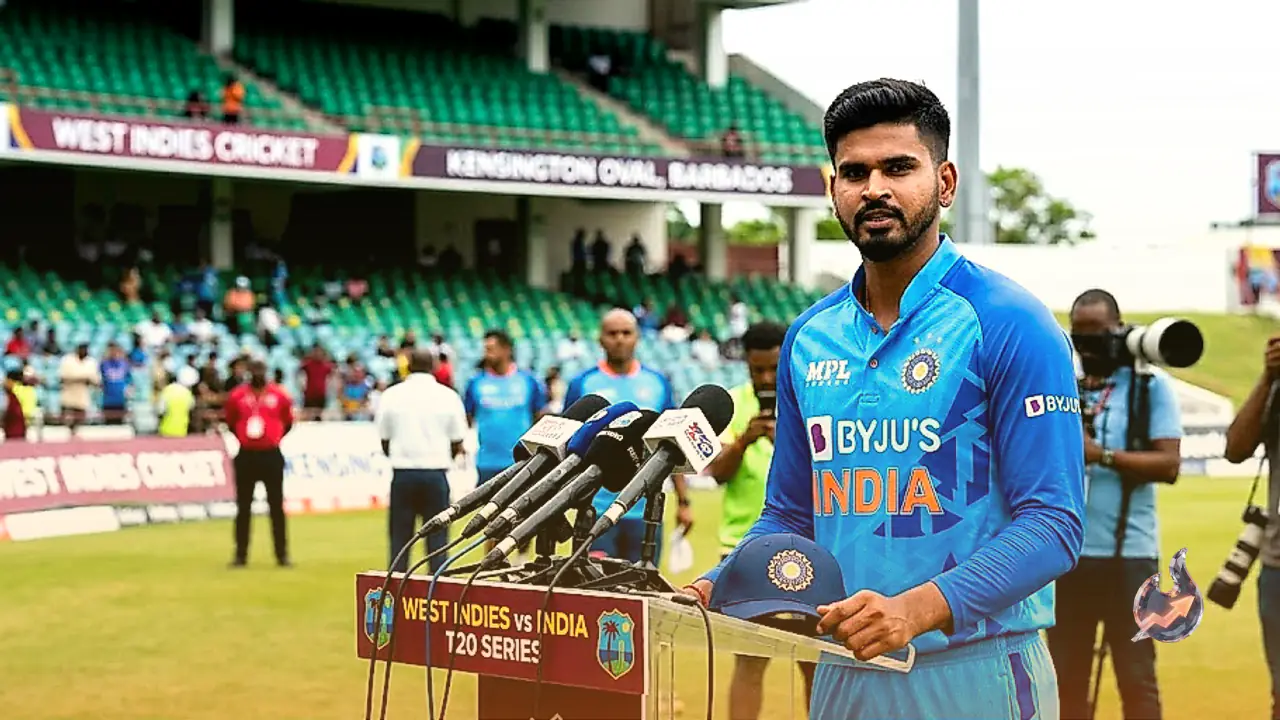

Indian cricket selectors have unveiled a 15-player national squad for the upcoming five-match T20 international series against the West Indies, scheduled to begin on October 6. Shreyas Iyer will lead the side as captain, with Tilak Varma appointed as the vice-captain. The selection presents a calculated blend of experienced international campaigners and vibrant domestic talent, curated to maintain competitive depth across all facets of the game.
Bumrah Rested for Workload Management; Call-Ups for Mayank and Prince
The primary focal point of the squad announcement surrounds the fast-bowling unit and the management of front-line spearhead Jasprit Bumrah. Having featured in the Asian Games T20 competition, Bumrah has been granted a complete rest for this entire bilateral series as part of ongoing workload regulation measures. In his absence, the selection committee has displayed trust in young pace sensations Mayank Yadav and Prince Yadav, both of whom generated significant attention in recent domestic competitions with their sheer speed. This series offers both unheralded pacers an ideal stage to leave their mark against an attacking West Indian batting order. Leading the pace department alongside Mayank and Prince will be left-arm specialist Arshdeep Singh, who will spearhead the seam attack with his swing and precision.
Quick Turnaround as Series Opens in Lucknow After Asian Games
The five-match assignment is framed against an exceptionally tight calendar and rapid squad transitions. The opening T20 match will take place in Lucknow on October 6. Crucially, the men's cricket competition at the Asian Games concludes on October 3. This calendar arrangement means the Indian setup will step directly onto the field for this bilateral series just three days after the continental games wrap up, presenting a stern test of rapid tactical adjustment and physical turnaround.
Strategic Direction for Nitish Kumar Reddy and Squad Adjustments
The Board of Control for Cricket in India has mapped out a defined roadmap regarding all-rounder Nitish Kumar Reddy. While Nitish has been named within this initial 15-man T20 contingent, the BCCI clarified that he is being pulled out of the Asian Games squad to link up with the national roster for the subsequent ODI series against the West Indies. This structural move highlights the team management's desire to solidify Nitish's position within the 50-over setup moving forward. In parallel squad movements connected to this transitional phase, with Nitish stepping aside from the Asian Games setup and Varun Chakaravarthy absent, Vipraj Nigam has been drafted to travel to Japan. Meanwhile, Rishabh Pant, currently excluded from the national ODI roster, has been handed the captaincy for the Irani Cup to showcase his readiness ahead of the tour of New Zealand.
Explosive Top Order and a Robust Middle-Order Core
The batting department assembled for the Caribbean challenge focuses heavily on boundary-hitting pedigree and aggressive intent. Opening duties will be anchored by Abhishek Sharma alongside teenage sensation Vaibhav Sooryavanshi, giving India dynamic left-handed firepower during the field restrictions. The middle order will revolve around captain Shreyas Iyer, vice-captain Tilak Varma, and hard-hitting all-rounder Shivam Dube to sustain momentum. For wicketkeeping duties, selectors have retained both Ishan Kishan and Sanju Samson in the 15-member group, ensuring strong balance and flexible selection combinations for the playing eleven.
Varied Spin Attack Built to Challenge Power-Hitters
To counter the boundary-clearing prowess of the West Indies line-up, Indian selectors have constructed a multifaceted spin bowling blueprint. Wrist-spin duties will be shared by the duo of left-arm unorthodox bowler Kuldeep Yadav and leg-spinner Ravi Bishnoi, both tasked with attacking the stumps and breaking partnerships in the middle phases. Complementing the frontline spin pair are all-rounders Axar Patel and Washington Sundar, whose disciplined line and length alongside capable lower-order batting will provide essential stability to the match-day combinations.