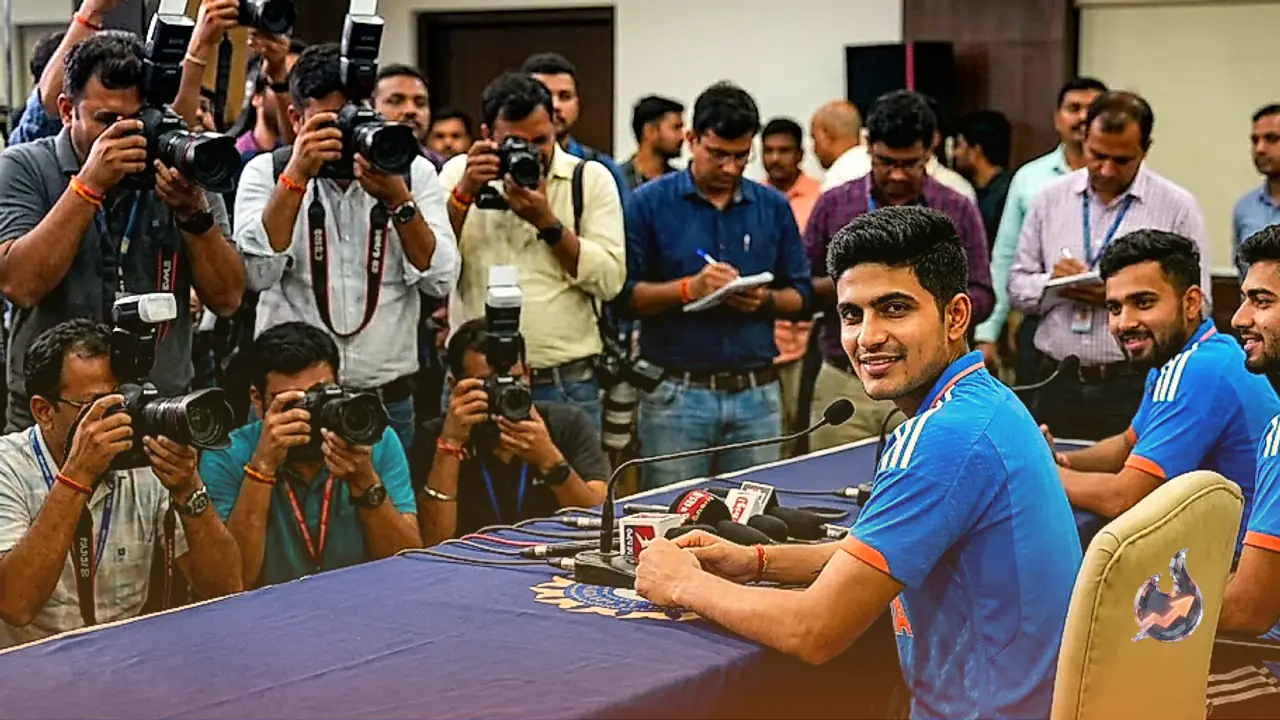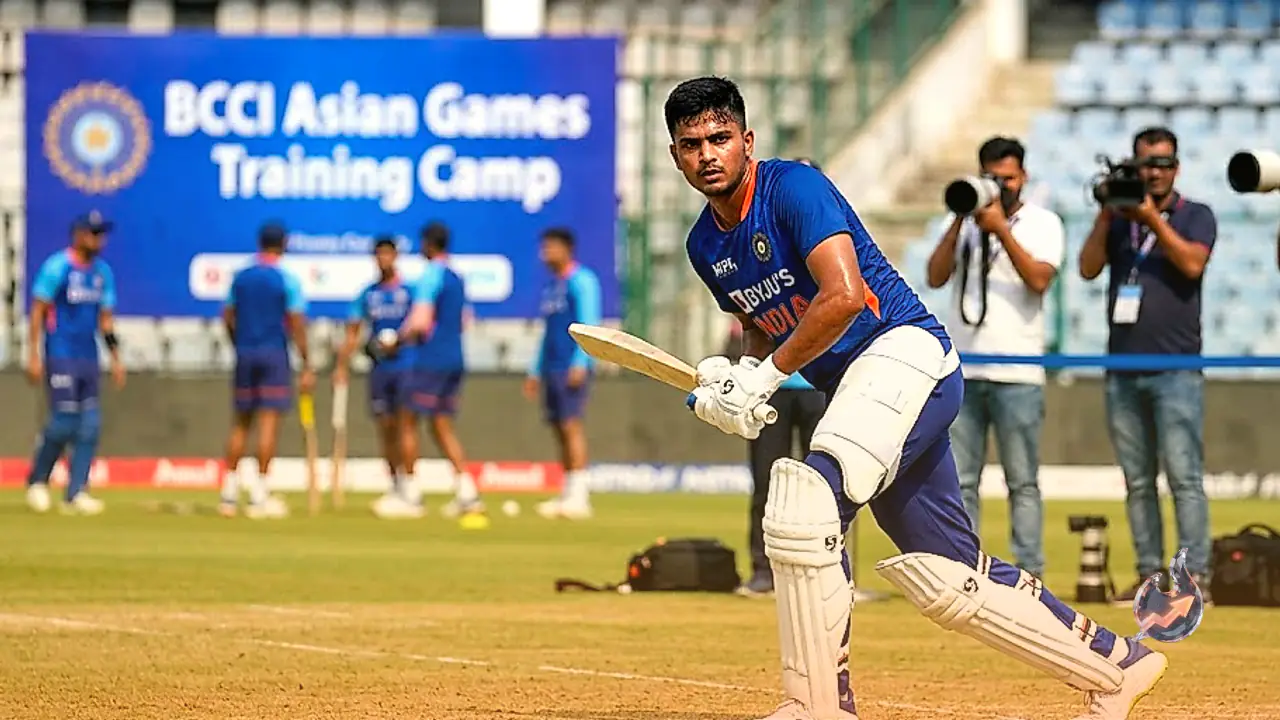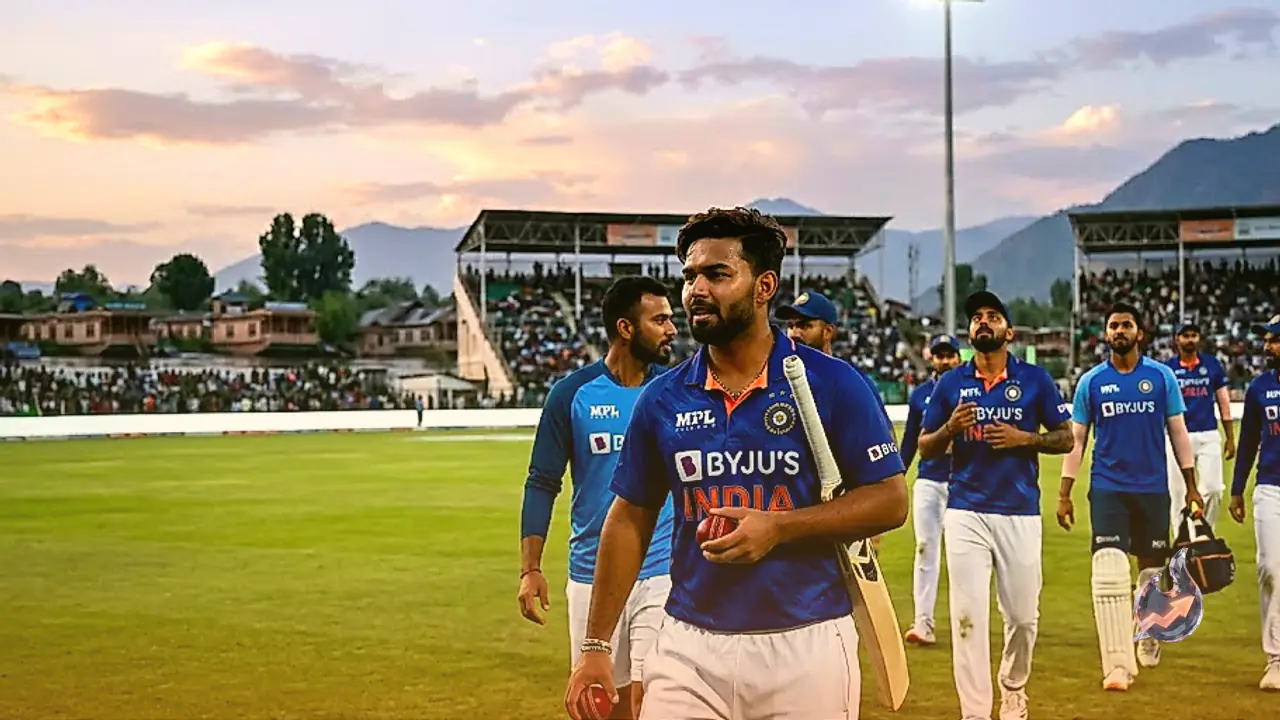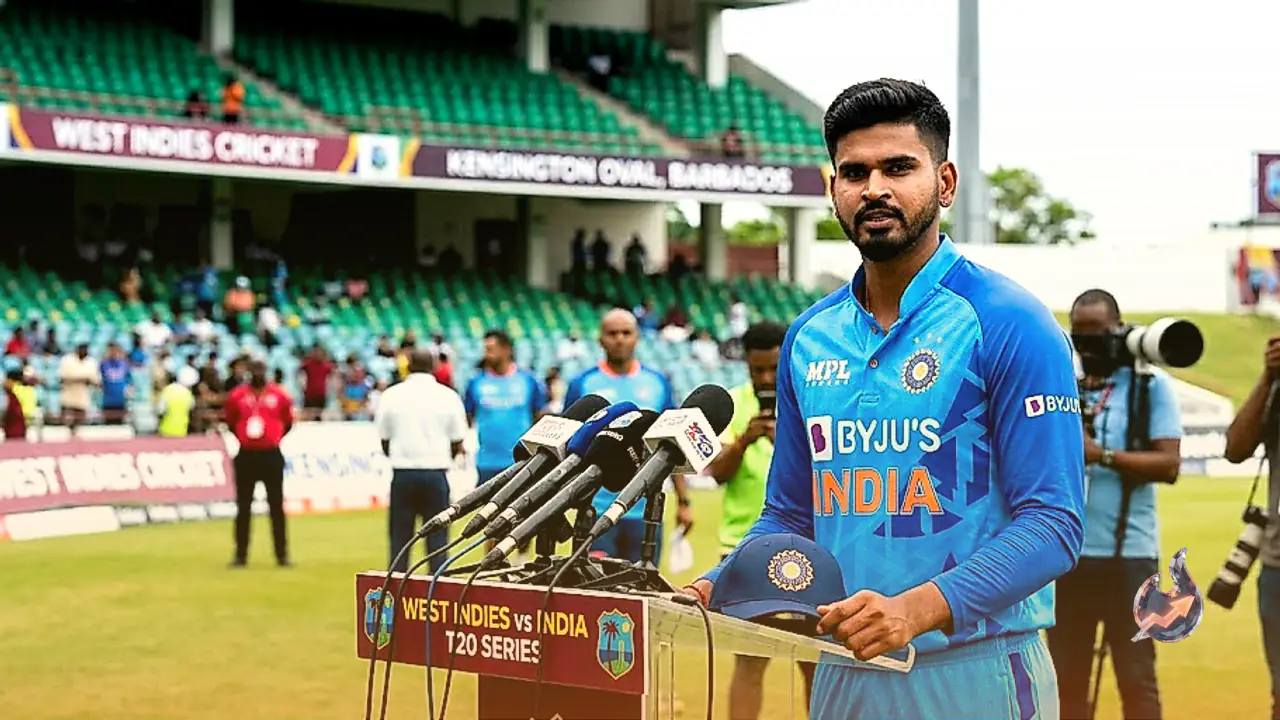

















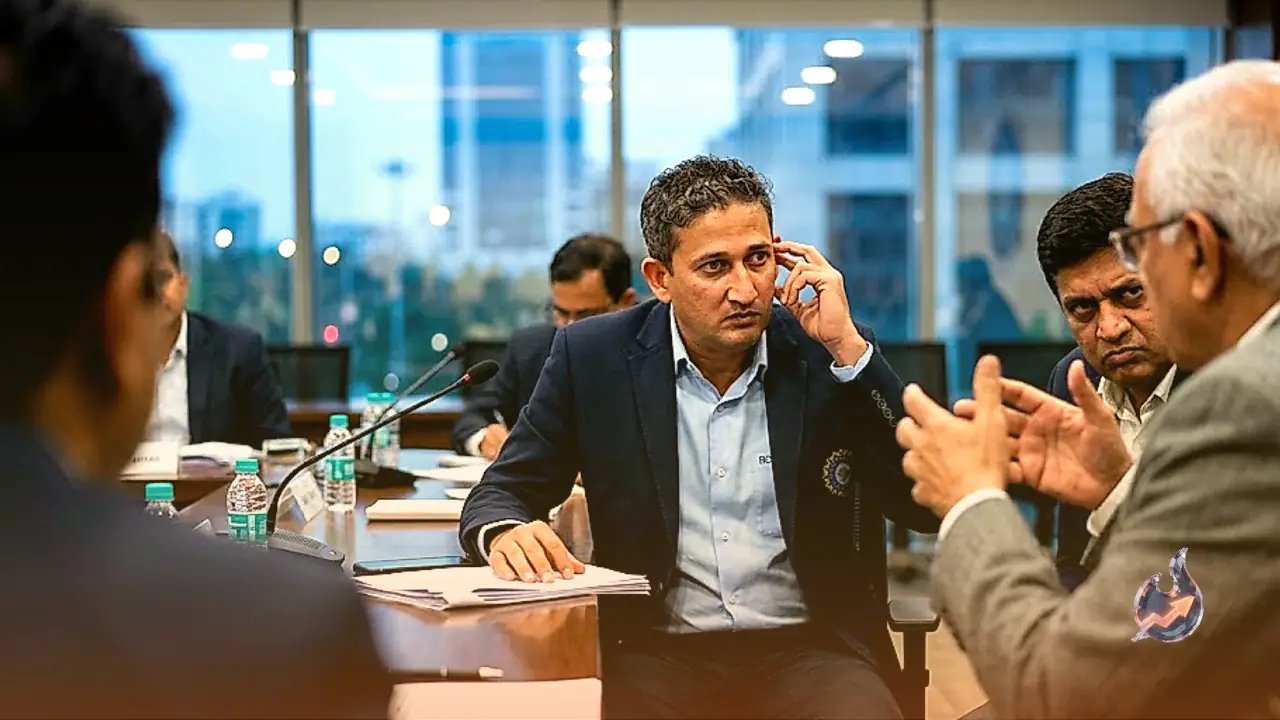

Guiding the selection panel of the Indian men's cricket team has historically been among the most demanding assignments in world sport. The responsibility involves balancing long-term vision against the formidable influence of senior players and administrative power structures. The trajectory of Ajit Agarkar's leadership of the selection committee highlighted this perpetual friction, where structured transition strategies clashed with superstar seniority and board politics. The sequence of events revealed the steep limitations placed on selectors when challenging established superstars.
The Long-Term Roadmap for the 2027 World Cup
The controversy traced back to the blueprint being drawn for the 2027 50-over World Cup. Evaluating the squad trajectory, Agarkar took the stance that relying heavily on Rohit Sharma might carry significant risks, given that the skipper would reach the age of 40 by the time the tournament arrived. The selection chief believed that a team aiming for a global trophy needed younger, long-term options rather than overdependence on aging stalwarts.
To execute this shift, Agarkar envisioned aggressive young batter Yashasvi Jaiswal as the natural successor to open the innings in white-ball cricket. His plan called for giving Jaiswal an extended run of at least 20 consecutive ODIs ahead of the marquee event, allowing the youngster adequate time to cement his place at the top of the batting order. Implementing this vision, however, required initiating the transition process immediately.
Delivering the Message and the Ensuing Stalemate
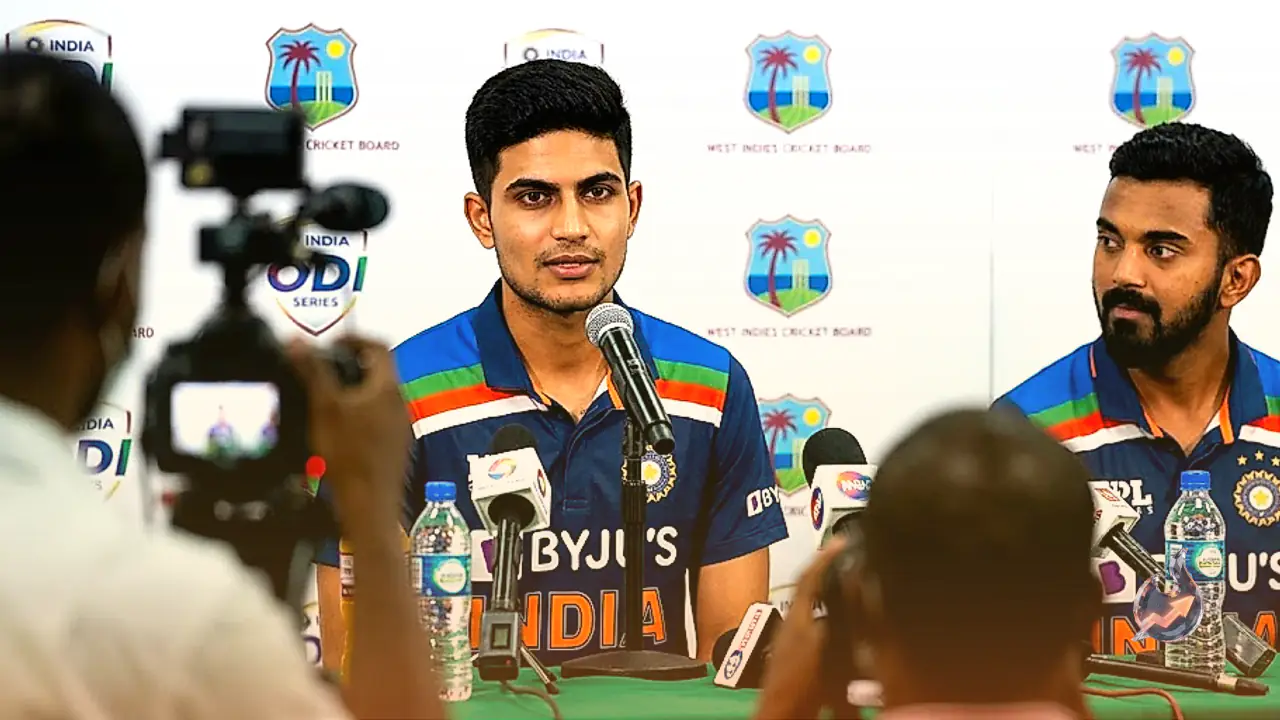
Ahead of a three-match ODI tour against England, the selection committee resolved to commence the transition phase. Agarkar had secured tacit backing from the Indian team management as well as select influential administrators within the Board of Control for Cricket in India. The delicate mission of conveying this vision directly to Rohit fell to South Zone selector Pragyan Ojha, whose long-standing personal rapport with the captain made him the chosen intermediary.
The discussion did not yield the desired agreement. Rohit viewed the proposal as an unwarranted slight to his pedigree and distinguished record for the country. Unwilling to quietly step aside, the captain reached out directly to a powerful administrator within the board to dispute the committee's decision, rapidly escalating the matter from a tactical selection discussion into a high-level administrative standoff.
The Public Rebuttal from Board Leadership
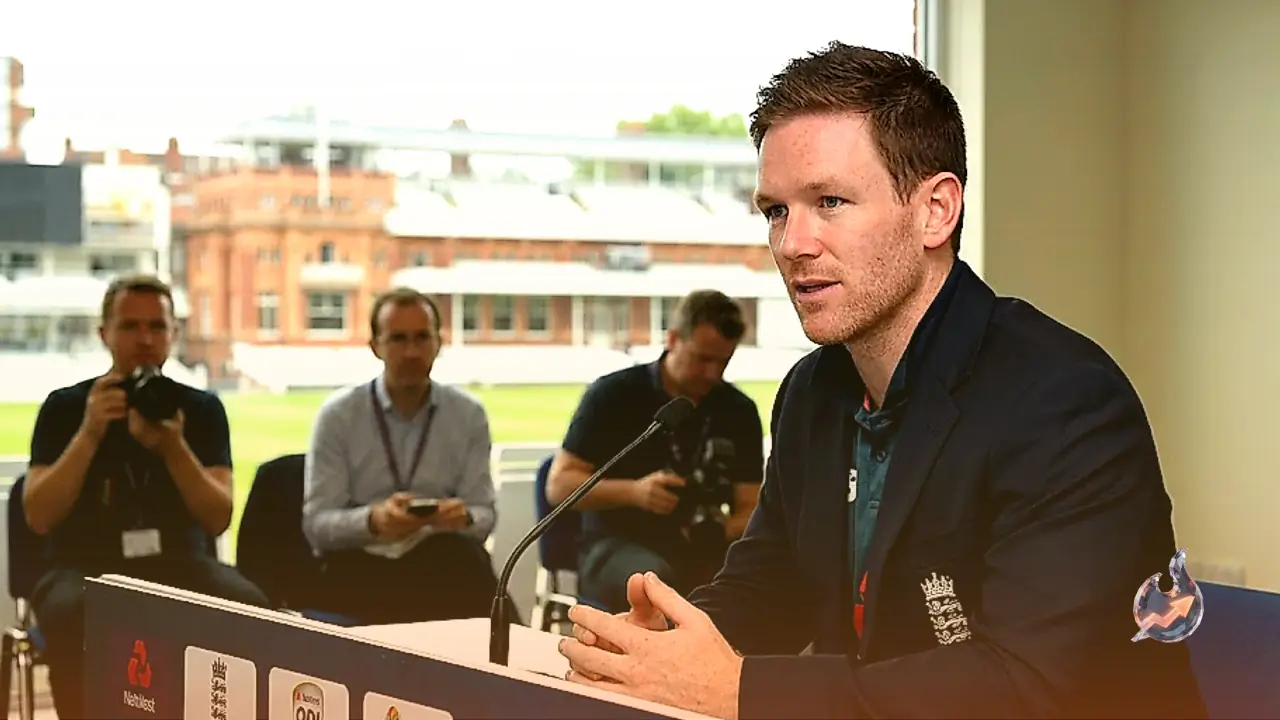
The internal discord broke into full public view right before the third ODI at Lord's, when BCCI Secretary Devajit Saikia released an official statement. This public intervention undermined the authority of the selection panel. Saikia decisively dismissed reports that Rohit was approaching the end of his ODI career or that the Lord's match would serve as his final game in the format.
The board secretary stated clearly that Rohit remained a regular member of the national setup and would continue to feature as long as he was part of team plans. For Agarkar, this official dismissal of the selection committee's direction was a clear curtailment of his mandate, illustrating that the committee's plans could be overturned at will by administrative fiat.
A Statement Century at Lord's and Selectorial Isolation
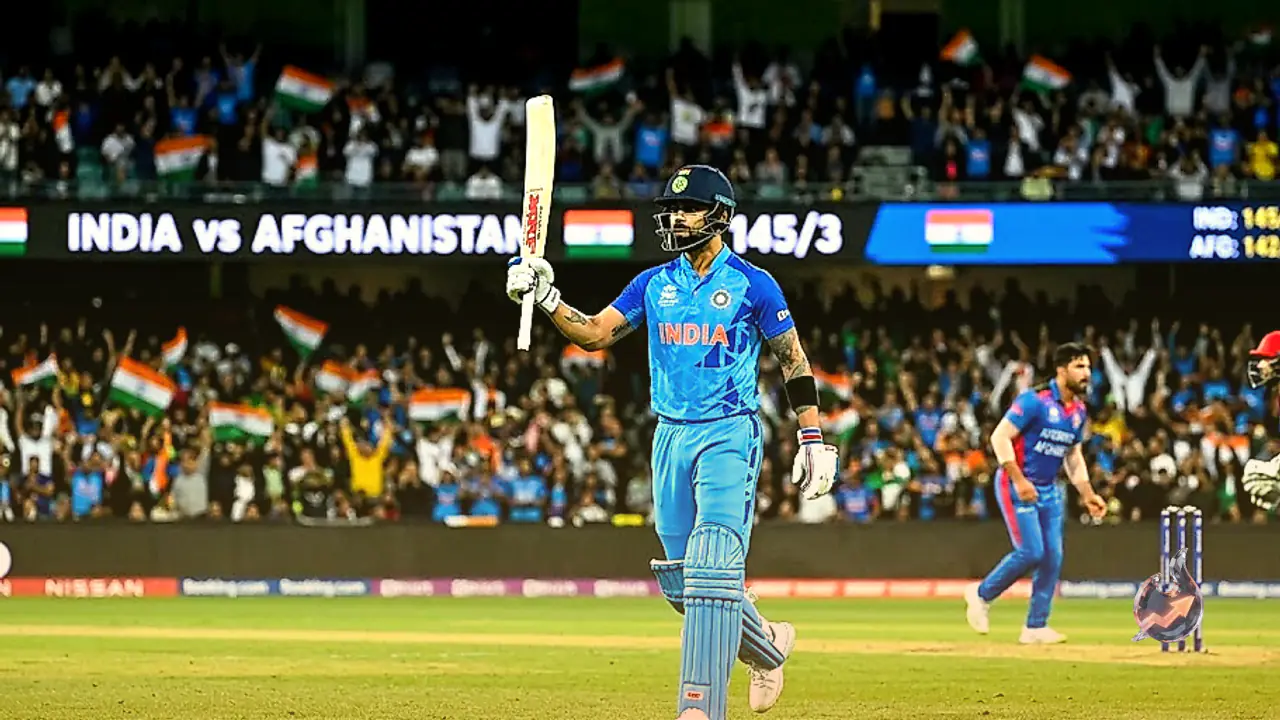
The dynamic shifted even further during the encounter at Lord's. Although India ended up losing the match, Rohit silenced questions regarding his form by crafting an outstanding century. The hundred served as an emphatic reminder of his match-winning capabilities on the global stage.
The captain's on-field response, coupled with the explicit backing from the board hierarchy, left Agarkar in an untenable position. It became evident that the selection chief possessed neither the structural support nor the executive authority required to phase out an established star. The episode demonstrated how challenging it remains for any selector to enforce hard transitional choices against star players who retain public and administrative leverage.
Operational Disputes with the Center of Excellence
The friction surrounding player selection was compounded by another ongoing rift between Agarkar and VVS Laxman, the head of the National Cricket Academy and the Center of Excellence. The two former teammates clashed over squad composition and tour priorities. Laxman favored dispatching the strongest available lineups for every assignment, whereas Agarkar questioned whether deploying first-choice squads for multi-sport competitions like the Asian Games was an efficient use of resources.
Logistical clashes between the schedules of India A fixtures, the domestic Irani Cup, and senior national team commitments intensified the division. The selectors also expressed concern regarding the rehabilitation timelines for centrally contracted players nursing injuries, citing a lack of clear schedules from the Center of Excellence. These persistent disagreements over logistics and medical protocols evolved into mutual distrust, further complicating Agarkar's role as selection head.