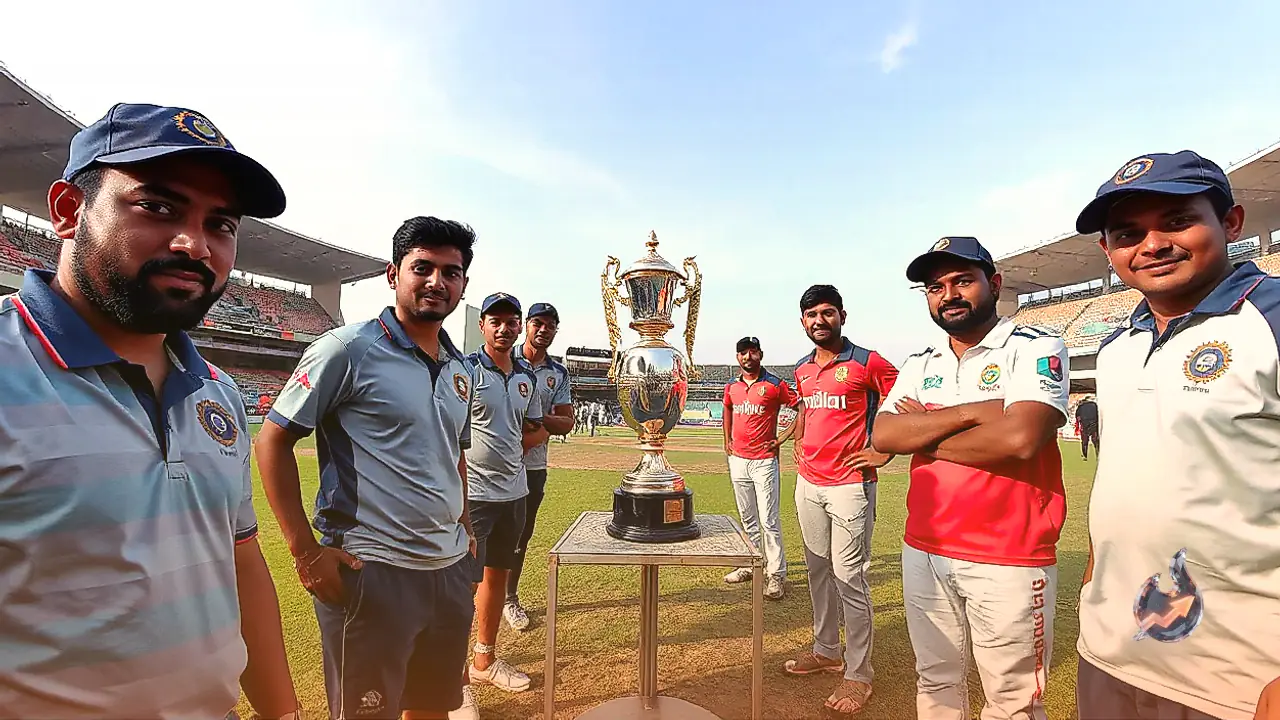























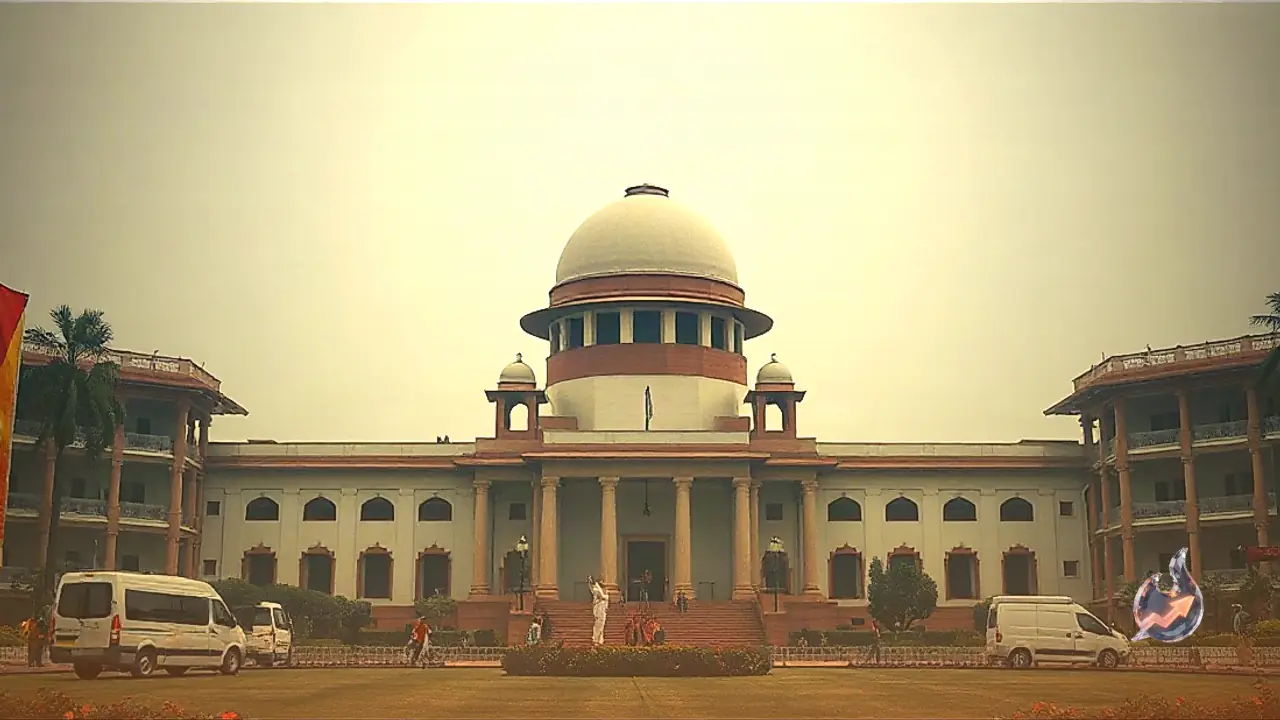

The administration of Indian cricket has once again come under judicial scrutiny as the Supreme Court raised a fundamental question regarding accountability and regulation. The apex court has asked the BCCI and various state cricket associations to explain why they should remain outside the ambit of the National Sports Governance Act 2025. A bench led by Chief Justice Surya Kant directed the lawyers representing the cricket boards and state units to seek clear instructions on this crucial matter.
Focus on Service Conditions of Office Bearers
During the hearing of petitions filed by certain cricket entities, the bench, which also included Justice Joymalya Bagchi and Justice V. Mohana, specifically turned its attention toward the service conditions of office bearers. The court questioned why the rules governing tenure and service conditions for officials in the BCCI and state bodies should not be governed by the National Sports Governance Act that came into force in 2025. The legal counsels for the cricket bodies have been instructed to confer with their clients and present their official stance to the bench.
A Long-Standing Legal Battle for Administrative Reforms
The legal tussle surrounding the governance of the BCCI is not a recent development. The overarching litigation began back in 2014 when a petition was first filed in the Supreme Court. Over the years, multiple applications and petitions have been brought before the judiciary concerning structural reforms within the organization. To streamline cricket administration and bring transparency, the Supreme Court had previously established a committee headed by former Chief Justice RM Lodha.
The Lodha Committee Reforms and Cooling-Off Rules
The Lodha Committee was tasked with recommending sweeping changes to the functioning and structure of the BCCI while formulating a comprehensive constitution for the board. The Supreme Court subsequently accepted these reformist recommendations aimed at cleansing cricket governance. In September 2022, the apex court approved amendments to the BCCI constitution, mandating a three-year cooling-off period after an official completes six years in a state cricket association and another six years in the BCCI. Under these rules, an administrator can serve two consecutive terms before taking the mandatory three-year break.