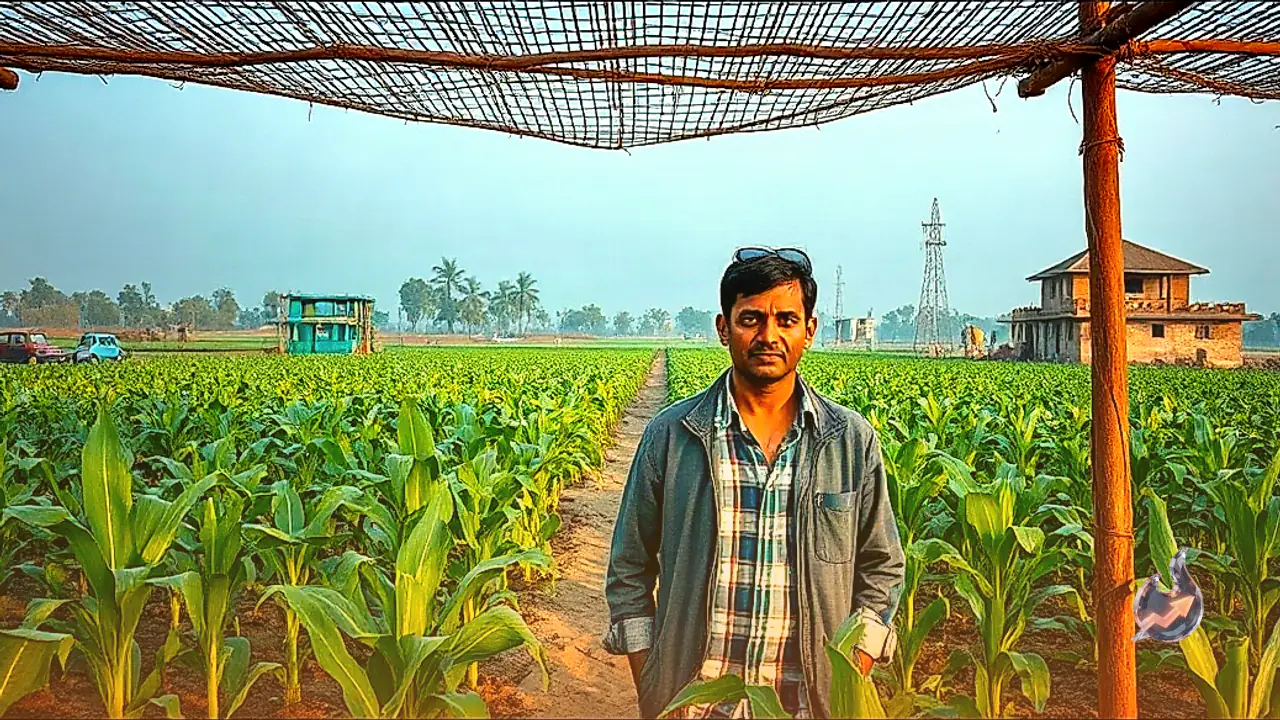























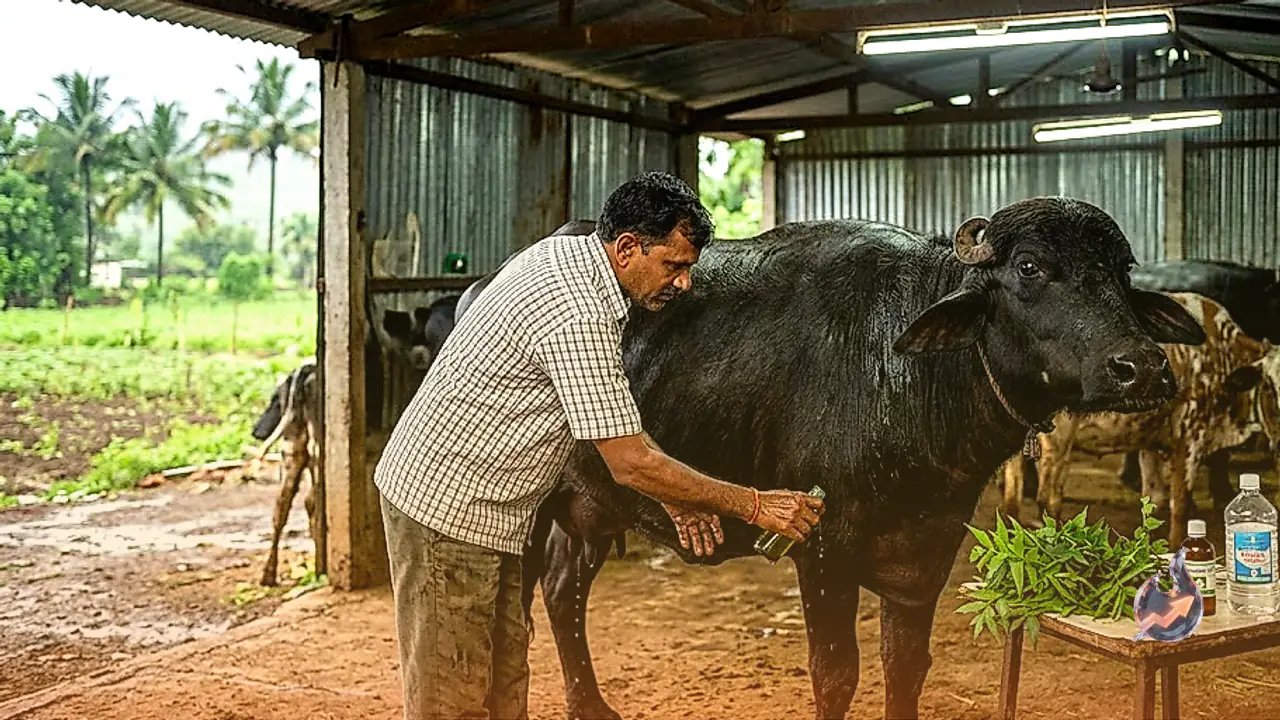

Cattle owners face a major challenge during the monsoon season when mosquitoes and flies multiply rapidly around animal shelters. These insects, which are often larger than common mosquitoes, make life miserable for cows and buffaloes tied to their posts. Traditionally, people rely only on burning cow dung cakes to create smoke as a way to protect their animals, lacking any permanent solution. When these insects bite livestock repeatedly, the animals often develop a fever and lose sleep, leaving them distressed and sick. This constant discomfort directly impacts their overall health and reduces milk production, subsequently increasing financial hardships for farmers as their earnings shrink.
Preparing an Effective Homemade Repellent Mixture
Addressing this recurring problem, Jaykant Rai, owner of Rai Ji Goshala in Devanagar and an animal expert, shared a simple household remedy through local channels. According to him, if the menace of flies and mosquitoes surges inside the cattle shed during the rainy season, owners can improve the surrounding environment using common items. Fresh neem leaves, camphor, and a small amount of phenyl can be utilized for this purpose. First, neem leaves are thoroughly crushed to extract their juice. Next, camphor is completely pulverized and mixed into the neem juice, followed by adding a measured quantity of phenyl to complete the solution, which can then be sprayed around the shelter.
Application Guidelines for Sheds and Animal Bodies
The expert advises that this mixture can be sprayed around the shed, along the walls, and in areas where flies and mosquitoes tend to congregate the most. This helps keep the environment inside the shelter relatively free from these pests. However, caution is mandatory before applying any mixture directly to an animal's body. Chemicals like phenyl must not come into contact with the animal's eyes, nose, mouth, open wounds, or other sensitive areas. It is always safer to consult a veterinarian or an expert before using such solutions on livestock skin.
Maintaining Cleanliness and Proper Drainage
During the rainy season, relying solely on homemade sprays is not enough; special attention must also be paid to the overall cleanliness of the cattle shed. Proper drainage systems should be set up wherever rainwater tends to accumulate. Dirt, animal waste, and damp fodder should not be allowed to pile up for long periods, as such unhygienic conditions cause pests to multiply rapidly. The cleaner and drier the living quarters remain, the more comfort the animals will experience. Relief from pests allows livestock to rest properly and consume their feed and water peacefully.
Important Precautions and Veterinary Guidance
The monsoon period demands extra vigilance from cattle owners. If an animal appears constantly distressed, eats less fodder, shows a sudden drop in milk yield, or develops wounds due to flies, owners should not rely exclusively on home remedies and must contact a veterinarian. Furthermore, professional advice should always be sought before applying any chemical substance directly onto an animal's body. By maintaining basic hygiene and taking timely precautions, livestock owners can largely protect their animals from pest-related troubles during the rains and prevent unnecessary losses in milk production.