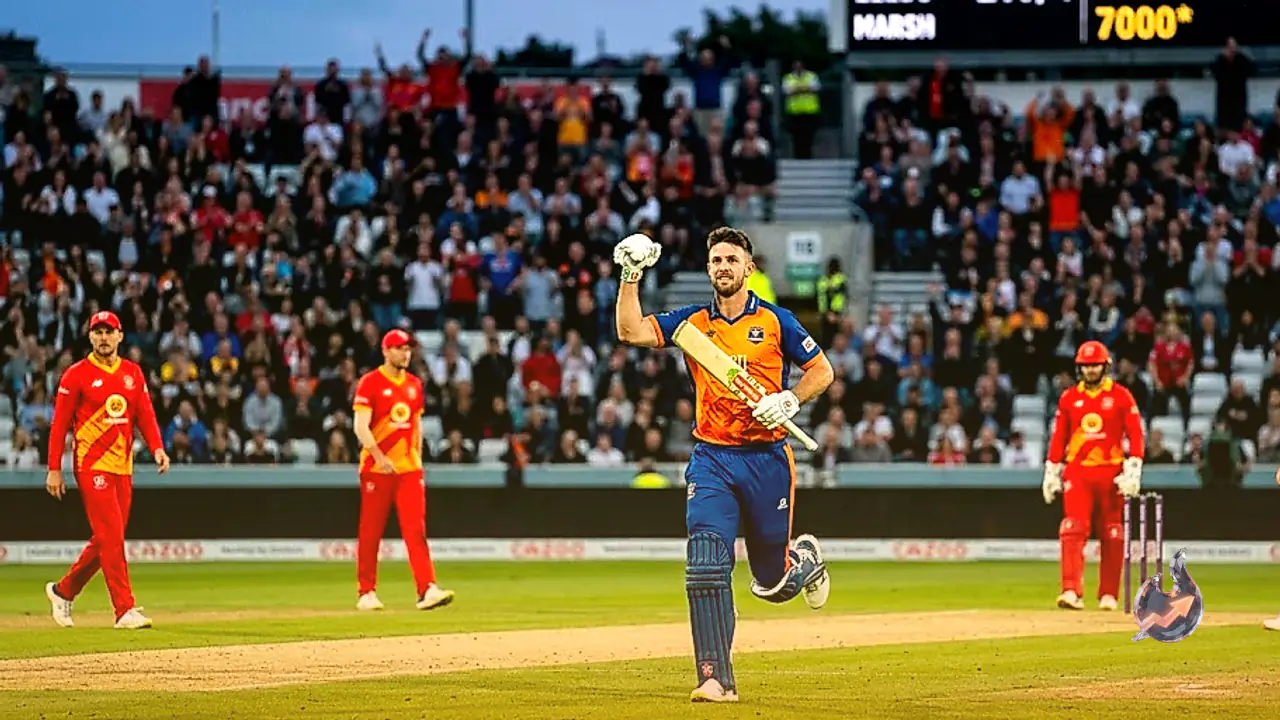




















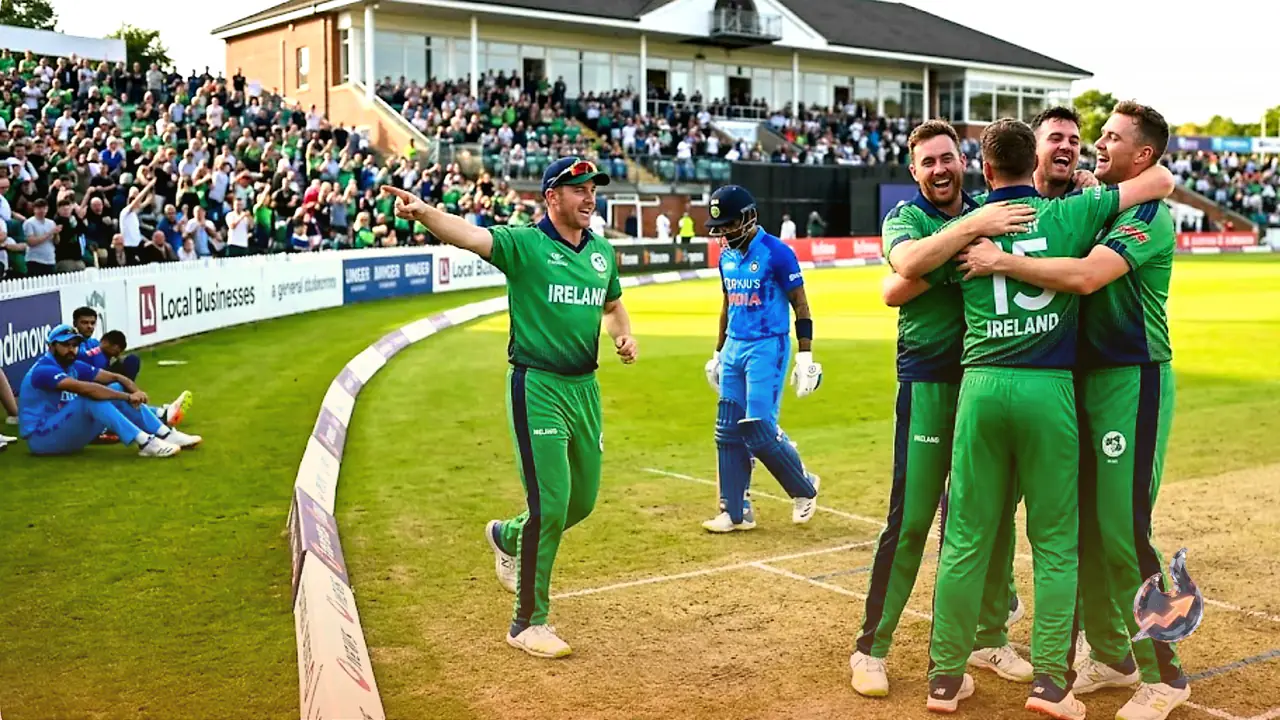

Cricket is not merely a game of swinging the bat; it demands a deep understanding of the pitch conditions, smart boundary targeting, and precise shot selection. Any side that ignores these tactical fundamentals is bound to face consequences, which is exactly what happened to the Indian cricket team in Belfast. In a shocking turn of events, the two-time T20 World Champions suffered a humiliating 34-run defeat against a heavily underdog Ireland side. This loss is not just surprising because of the margin, but primarily due to the repetitive tactical blunders committed by the Indian batters, who fell into the exact same trap throughout the match, leading to Ireland's historic first-ever T20 international victory over India.
The Geometry of Stormont and the V-Shape Advantage
A close inspection of the wagon wheel reveals the primary tactical difference between the two sides. The match was played at the Civil Service Cricket Club in Stormont, Belfast, where the pitch was noticeably slow and the square boundaries were exceptionally large. This is where the Indian team miscalculated, failing to adapt to the dimensions of the venue. Ireland, on the other hand, played smart cricket by targeting the shorter straight boundaries, scoring 23 more runs than India in the 'V' shape (the straight area down the ground). Indian players, accustomed to flatter pitches and different ground configurations, struggled to adjust their shot selection on this sluggish surface, which ultimately became the deciding factor in the contest.
How Irish Bowlers Trapped Indian Batters
The tactical battle was clearly won by the Irish bowling unit. Throughout the Indian innings, most of the wickets fell square of the wicket, with several batters getting caught in the deep point, deep square leg, and deep midwicket regions. Earlier in the match, India had made an exceptional start with the ball, reducing Ireland to a precarious 30 runs for the loss of 3 wickets. However, the Indian bowlers failed to maintain the pressure and allowed Irish batters to target the straight boundaries by continuously delivering fuller lengths. In contrast, the Irish bowlers executed a highly disciplined plan. They consistently bowled short of a good length, angling the ball away from the batsmen's bodies, which forced the Indian batters to attempt square shots toward the longer boundaries, leading to a succession of catches in the deep.
Scorecard Summary and Key Player Performances
After losing the toss and being invited to bat first by India, Ireland recovered brilliantly from their early collapse to post a competitive total of 182 runs for the loss of 9 wickets in their allotted 20 overs. Among the Indian bowlers, Harshit Rana was the standout performer, picking up 3 wickets for 24 runs in his 4 overs. However, Prasidh Krishna had an afternoon to forget, proving to be highly expensive as he conceded 57 runs without taking any wickets. In reply, the Indian batting lineup collapsed under pressure, failing to build partnerships. The team was bundled out for 148 runs in 18.5 overs, falling 34 runs short. The only major resistance came from opener Abhishek Sharma, who smashed a blistering half-century, scoring 50 runs off just 20 balls, though his solo effort went in vain as wickets tumbled at the other end.
Off-Field Subplots: Debuts and Bench Roles
The match also featured some intriguing individual stories that captured the attention of fans. One of the major highlights was the dramatic dismissal of Sanju Samson. In a historic moment, Samson was clean bowled on the very first ball he faced by an Indian-origin bowler who had moved from India to Ireland for higher education and ended up making his international debut for Ireland. Additionally, young talent Vaibhav Suryavanshi was seen serving water to his teammates on the field as a substitute, prompting intense discussions among cricket enthusiasts regarding team selection, tactics, and the utilization of emerging players on challenging overseas tours.