






















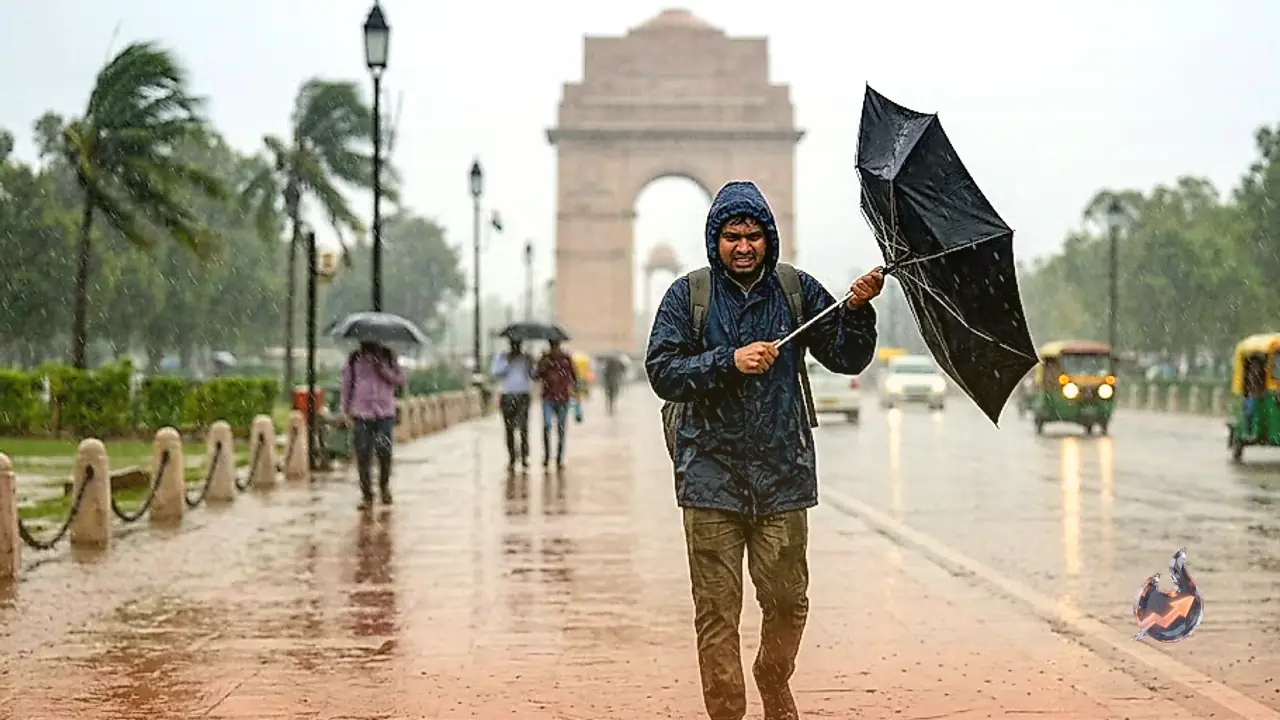

Weather conditions across the national capital shifted dramatically on Monday as the India Meteorological Department declared a red warning for the entire region, anticipating severe downpours, strong squalls, and lightning hazards. Forecasters indicate that various parts of the metropolis could experience intense precipitation accompanied by wind gusts reaching around sixty kilometers per hour within the coming hours.
All Eleven Districts Under Red Warning
Rather than focusing on isolated zones, the meteorological agency has placed all eleven districts of the capital under strict high alert. The affected areas span across Central Delhi, East Delhi, New Delhi, North Delhi, North-East Delhi, North-West Delhi, Shahdara, South Delhi, South-East Delhi, South-West Delhi, and West Delhi. This comprehensive coverage means nearly every neighborhood faces the threat of deteriorating atmospheric conditions, and authorities strongly advise citizens to avoid open grounds during windstorms and lightning.
Impact Stretching Into Neighboring States
The severe weather disturbance is not confined to the capital alone, as adjoining territories are also facing strict advisories. Neighboring districts in Uttar Pradesh, including Gautam Buddh Nagar and Ghaziabad, have been placed under an orange alert, while parts of eastern Uttar Pradesh anticipate stormy downpours. Similarly, several districts in Haryana such as Sonipat, Panipat, and Karnal are bracing for strong gusty winds and precipitation.
Disruption To Daily Commute And Safety
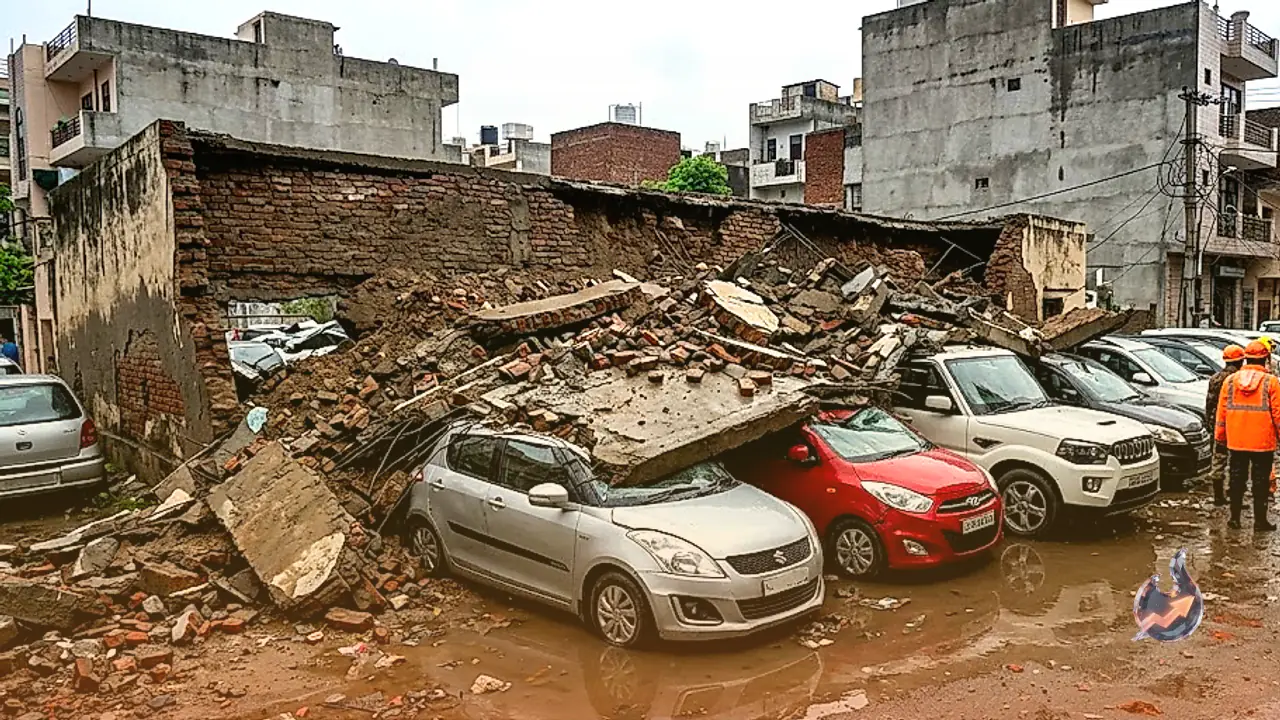
Given the severity of the warnings, residents are urged to minimize unnecessary travel and exercise caution during peak storm activity, staying away from weak structures, hoardings, and large trees during lightning strikes. Given that heavy precipitation frequently leads to localized waterlogging and severe traffic bottlenecks in the metropolis, the combination of high-speed winds and torrential rain is expected to disrupt normal commuting and public movement. Monitoring agencies continue to track the evolving atmospheric setup closely as these critical hours unfold.