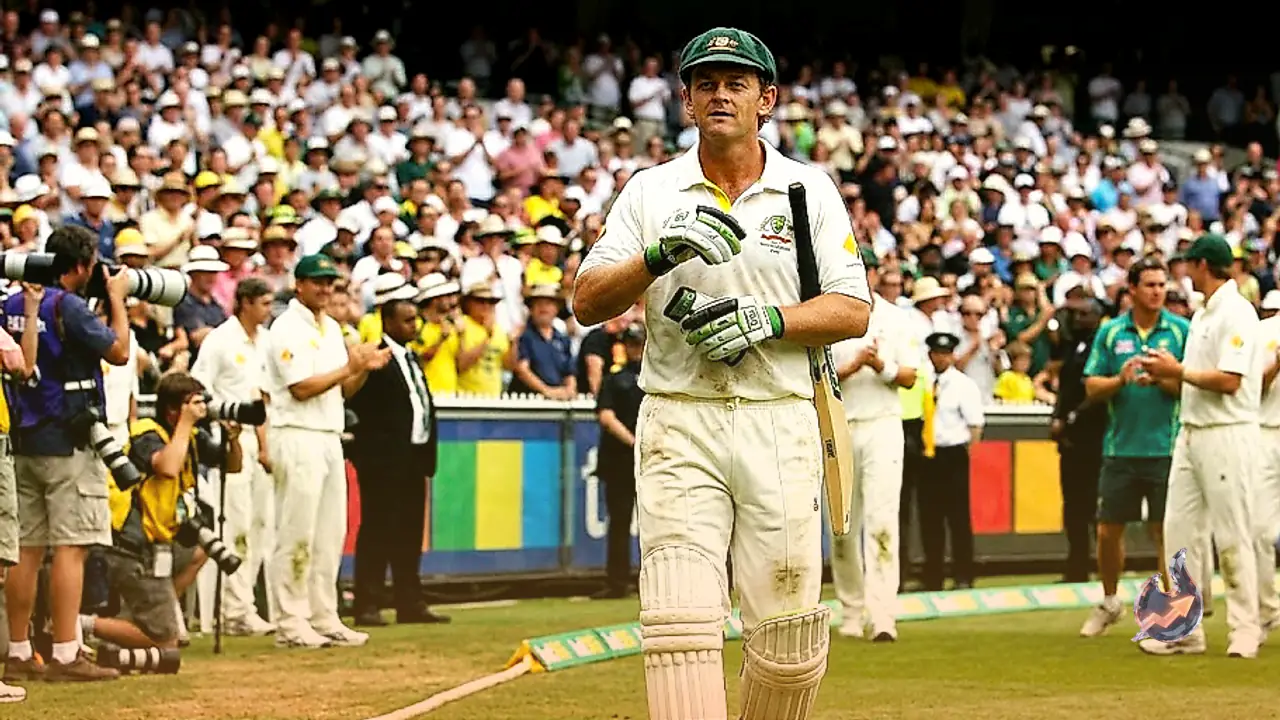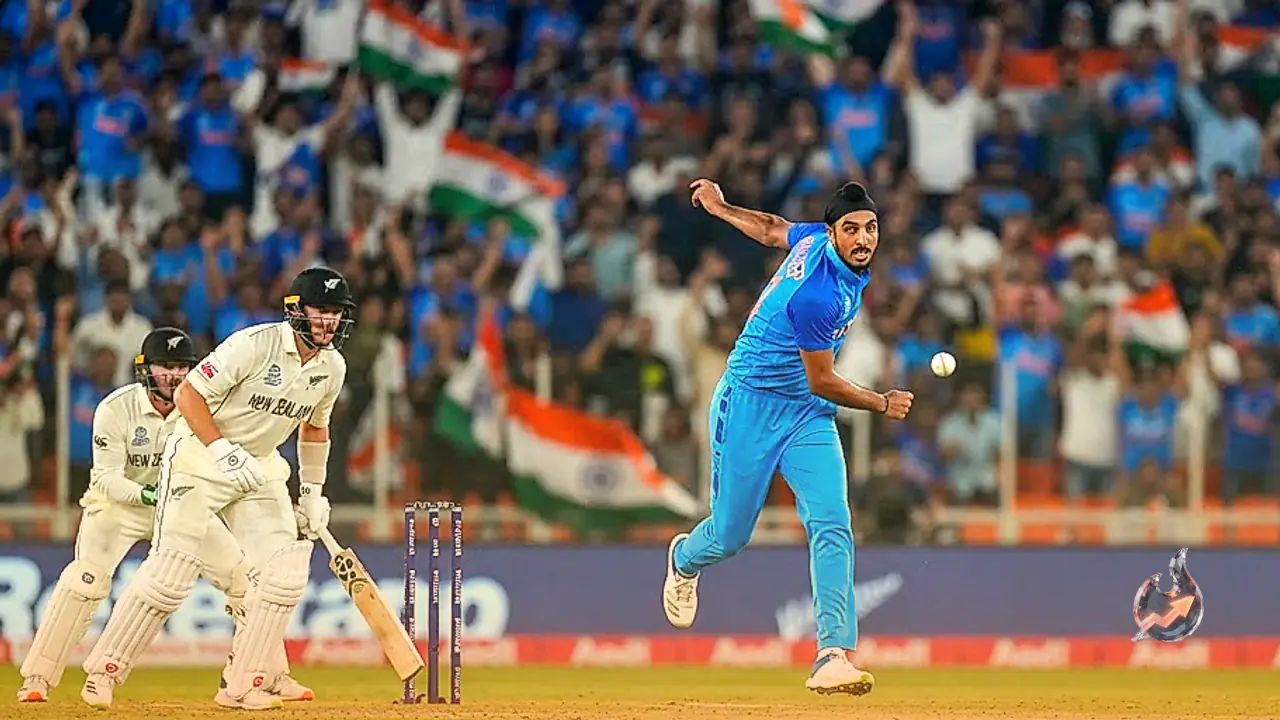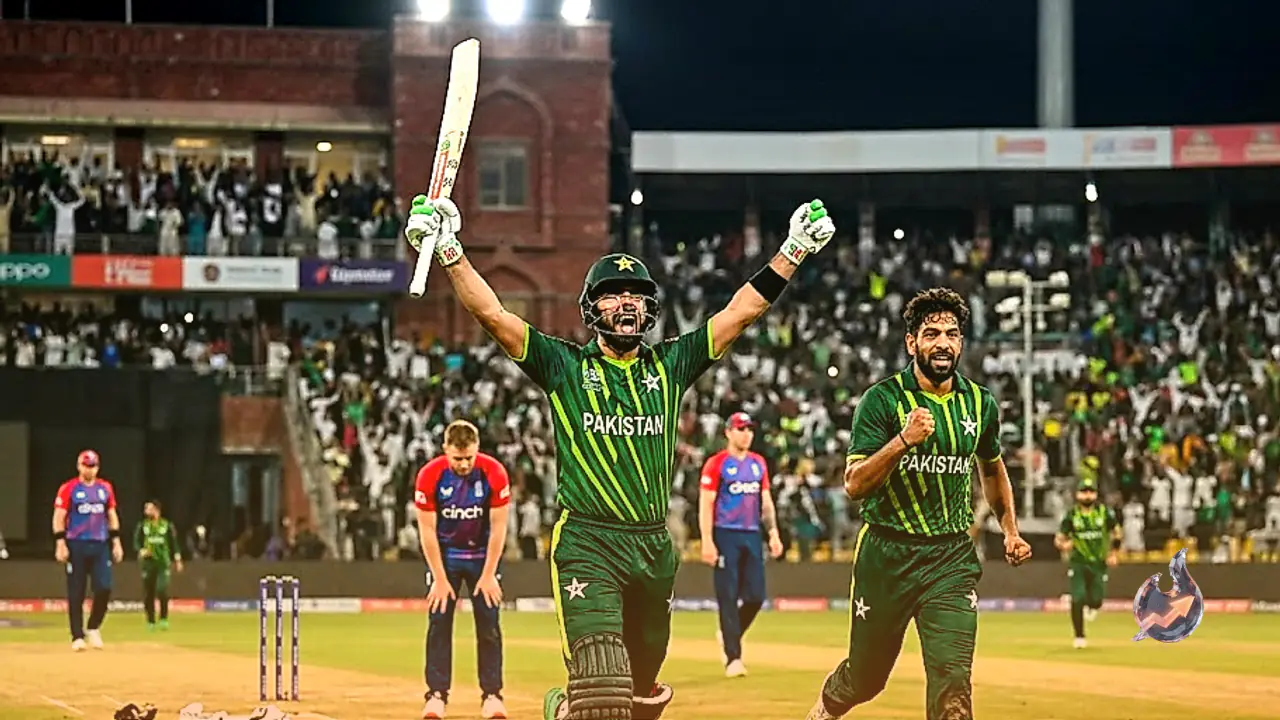
























Certain dates and matches in cricket history transcend simple scorelines, lingering in public memory long after the final ball is bowled. When two distinct eras and iconic personalities collide on the pitch, the resulting tension creates unforgettable folklore. Two decades ago, a dramatic confrontation unfolded on the turf in Antigua, sparking intense global debates regarding sportsmanship, umpiring limitations, and the sheer volatility of competitive pressure.
The Simmering Tension of the 2006 Antigua Test
The 2006 Test match in Antigua remains etched in cricket lore not merely for India's aggressive batting displays, but principally for a high-voltage drama that tested the patience of match officials and players alike. Usually known for his composed demeanor, legendary West Indies captain Brian Lara lost his temper so severely on that day that he threatened to pull his entire team off the field and abandon the match altogether. At the epicenter of this fierce standoff were a young Indian wicketkeeper-batter and the West Indian spin attack.
MS Dhoni Unleashes Against Dev Mohammad
At just 24 years of age during that era, MS Dhoni was rapidly earning a reputation for his fearless and unapologetic stroke play. In the thick of the Indian innings, the youngster targeted West Indian spinner Dev Mohammad, dispatching him for three consecutive towering sixes that reverberated through the stadium. The astonished crowd watched in awe as the batter continued his onslaught, attempting yet another massive aerial shot on the fourth delivery. The ball soared high into the air toward the deep mid-wicket boundary, where Darren Ganga sprinted backward and pouched a brilliant catch.
The Ambiguity That Triggered the Umpiring Debate
Believing he had been cleanly dismissed, Dhoni immediately turned and began walking toward the pavilion. However, the plot thickened when on-field umpires Asad Rauf and Simon Taufel signaled for him to halt. The officials harbored doubts over whether Ganga's feet had brushed against the boundary cushion while completing the grab. Broadcast technology was far less advanced during that era, and the television replays available to the third umpire failed to provide conclusive visual evidence. Lacking definitive proof after repeated checks, the umpires leaned toward granting the benefit of doubt to the batter.
Brian Lara Reacts With Fury
The moment the umpires signaled that Dhoni was not out, Brian Lara erupted. The West Indian skipper argued vehemently that since the fielder himself knew the catch was clean, the officials were obligated to take the player's word. Infuriated, Lara marched up aggressively to umpire Asad Rauf, launching into a heated verbal exchange. He delivered an ultimatum stating that if the decision was not reversed and Dhoni was permitted to stay, he would lead his team off the field and refuse to continue. The ensuing stand-still suspended play for several tense minutes.
Rahul Dravid Steps In to Defuse the Crisis
Witnessing the situation deteriorate rapidly, Indian captain Rahul Dravid intervened to restore order through exemplary sportsmanship. He conversed with Dhoni on the pitch, and the visiting side collectively chose to de-escalate the dispute rather than let it ruin the fixture. Respecting the gravity of the situation and the preservation of the game's spirit, Dhoni opted to walk off voluntarily despite technically remaining not out. Dravid's diplomacy and Dhoni's gracious exit successfully placated Lara, allowing the match to resume. The extraordinary episode endures as one of the most talked-about controversies in Test history.