




















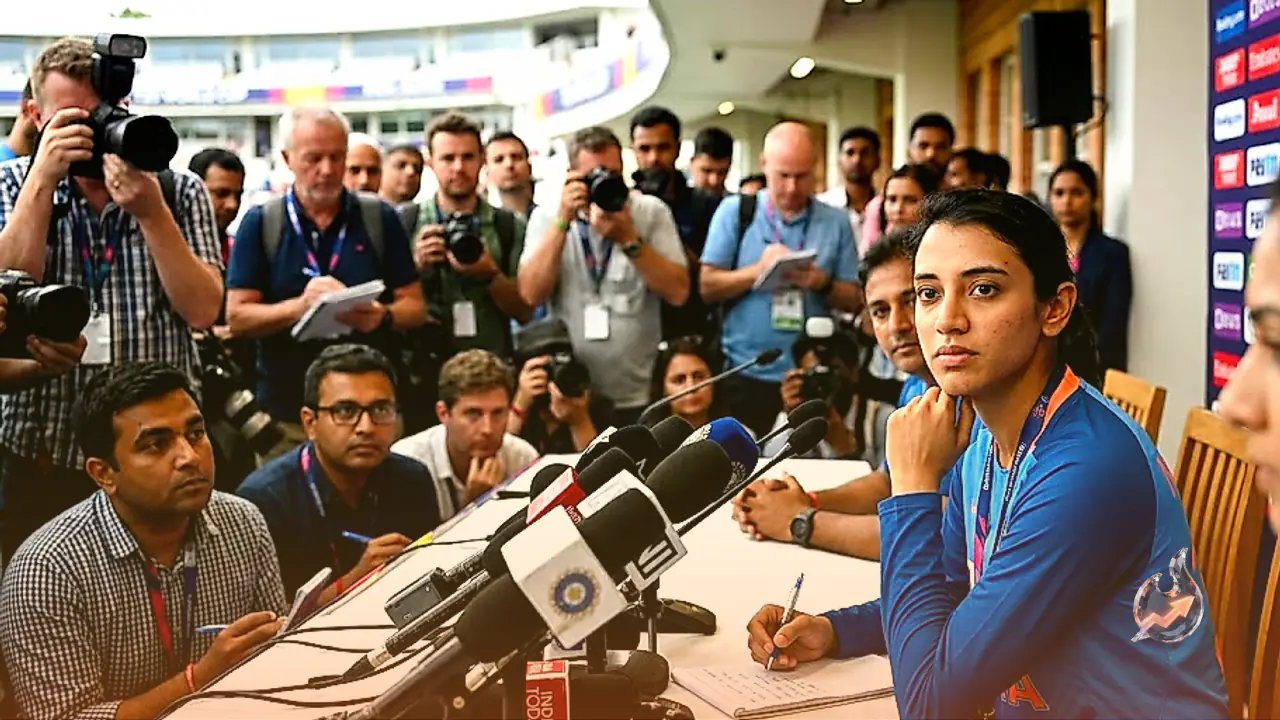

Following the conclusion of the T20 World Cup in England, discussions surrounding the leadership framework of the Indian women's cricket team have resurfaced with renewed intensity. Amid ongoing debates regarding the men's team coaching and captaincy setup, cricket analysts and experts are strongly advocating for split captaincy, suggesting that Smriti Mandhana should be appointed as the T20 captain with a clear focus on the 2028 Los Angeles Olympics. Harmanpreet Kaur has led the national side for a decade, but the team's performance in the last two editions of the T20 World Cup has fallen well short of expectations. Although Harmanpreet successfully guided India to a historic 50-over World Cup triumph in 2025, the team has struggled to replicate that level of dominance in the shortest format of the game.
The Case for Split Captaincy and the 2028 Los Angeles Olympics Vision
With only two years remaining until the 2028 Los Angeles Olympics, incorporating fresh perspectives and modern tactical thinking into the T20 setup appears to be the most logical way forward. As cricket prepares to make its historic return to the Olympic stage, the central question facing decision-makers is whether Harmanpreet Kaur inspires the necessary confidence to lead India to an Olympic medal in the T20 format. This is the fundamental query that selectors and administrators must address without delay.
The recent Test match victory at Lord's under Harmanpreet's leadership was undoubtedly a significant milestone. However, that red-ball success served to obscure the underlying shortcomings exposed during the T20 World Cup. Domestic supporters and pundits once again made the error of conflating achievements across different formats. A triumph in Test cricket should not be used as a shield to mask persistent tactical flaws in T20 cricket, given the vastly different demands and dynamics of each format.
The Asia Cup Illusion and the Danger of Complacency
India's strong showing in the ongoing Asia Cup in Dubai carries an inherent risk of plunging Indian cricket into what can be described as an illusion of self-satisfaction. The Asia Cup features relatively weaker and average-tier opposition, where no competing team comes close to matching India's depth and skill level. Consequently, dominant performances in this tournament should be viewed as routine expectations rather than a true measure of elite national capability.
In fact, a failure to win the Asia Cup would be the only outcome considered noteworthy news. Using victories against lower-ranked teams in Dubai as a benchmark for India's readiness for global competition is misleading. Hiding structural deficiencies behind routine continental wins risks fostering complacency, which could prove costly when facing top-tier international opponents on larger stages.
Smriti Mandhana's Leadership Credentials and RCB Success
Smriti Mandhana has consistently demonstrated her capabilities as an astute captain. Her leadership of RCB in the Women's Premier League resulted in a title-winning campaign, proving her ability to make sharp tactical decisions under pressure and guide a team to ultimate success. The silver trophies won under her captaincy serve as a clear testament to her strategic acumen.
On the international stage as well, Mandhana has repeatedly stepped up to take responsibility. During 50-over matches, whenever Harmanpreet Kaur had to leave the field, Mandhana seamlessly assumed captaincy duties and managed team operations with maturity. Mandhana is fully prepared to take over the full-time T20 captaincy. Establishing her in this role well ahead of the 2028 Los Angeles Olympics will provide her with the necessary time to build a cohesive unit and maximize her leadership potential.
The Asian Games Distraction and the Impending Champions Trophy Litmus Test
Just 10 days after the conclusion of the Asia Cup, the Indian team will travel to Japan to compete in the Asian Games. The tournament in Japan will feature the same opposition teams that India is currently encountering in Dubai. While victories in Japan may appear straightforward, there is a serious risk that the shine of an Asian Games gold medal will once again conceal the team's core T20 vulnerabilities.
Masking weaknesses behind predictable wins will not serve India's long-term interests. The true test of India's T20 caliber will arrive during the upcoming Champions Trophy, where elite teams will expose any unaddressed flaws. If selectors defer making a decisive leadership change now, the same uncomfortable questions will resurface during the Champions Trophy, by which time valuable preparation time will have been wasted.
Harmanpreet's Irreplaceable Batting Value and the Decision Before Selectors
It is vital to emphasize that Harmanpreet Kaur remains an indispensable pillar of India's batting lineup. Her stellar performance against Australia at Lord's during the last T20 World Cup showcased her extraordinary match-winning ability with the bat. At present, there is no candidate in domestic or international cricket capable of replacing her explosive batting contribution in the middle order.
However, her track record as a T20 captain leaves little room for optimism. This brings the responsibility back to the national selectors. Will they demonstrate the foresight to look beyond routine wins in the Asia Cup and Asian Games to make a long-term strategic decision? With an Olympic gold medal as the ultimate objective, selectors must evaluate whether the current T20 leadership instills the confidence needed to achieve that historic goal.