






















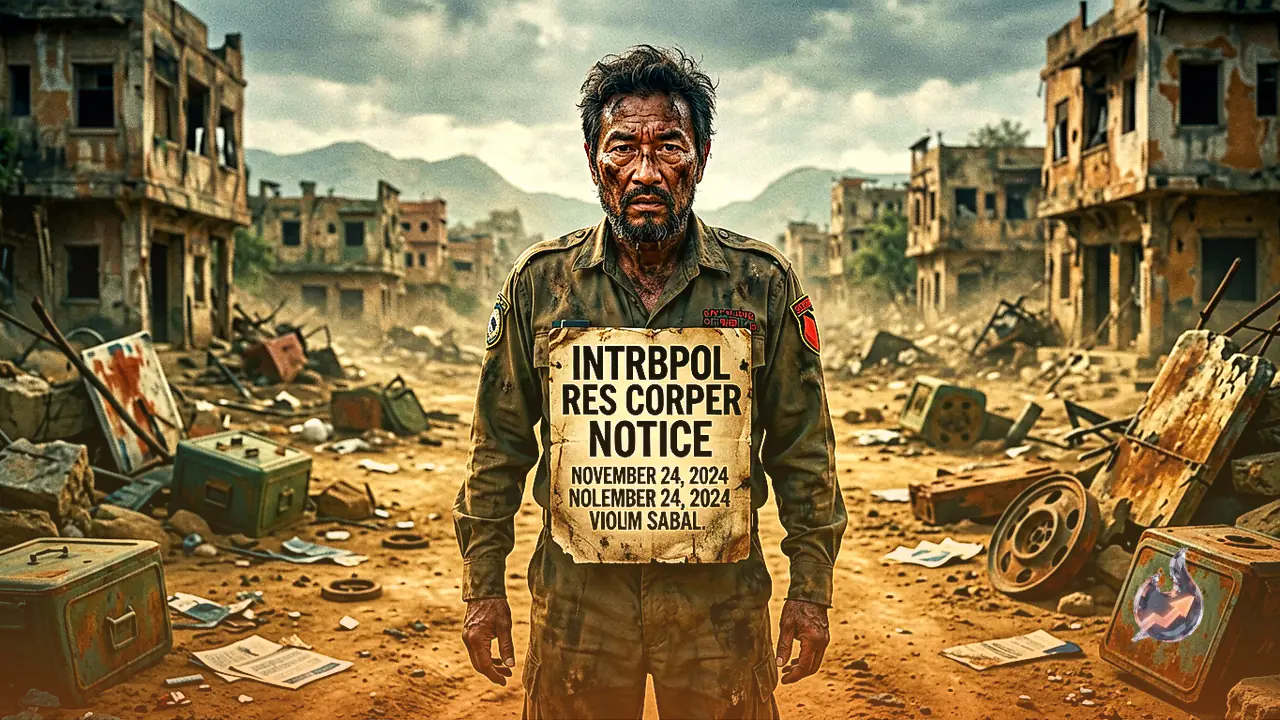

An international dragnet has been thrown around fugitive gangster Shariq Satha, the alleged key conspirator behind the November 24, 2024 communal violence in Sambhal, Uttar Pradesh, with global policing agency Interpol issuing a Red Corner Notice against him. The issuance of this international alert follows formal requests by Indian law enforcement agencies to track down, detain, and extradite the criminal, who is currently hiding in Dubai. Investigators revealed that Satha managed to flee India using a fraudulent passport shortly after orchestrating the unrest and has been operating his criminal network remotely from the United Arab Emirates.
Extradition Push and Procedural Developments
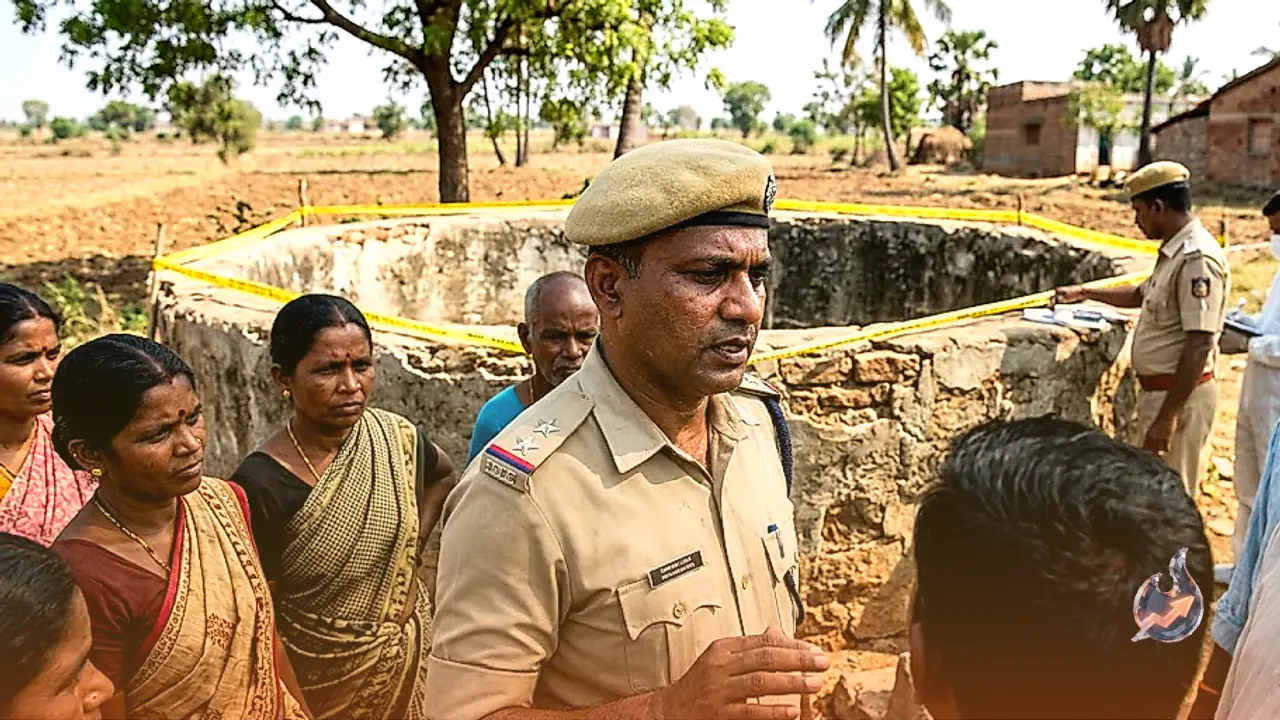
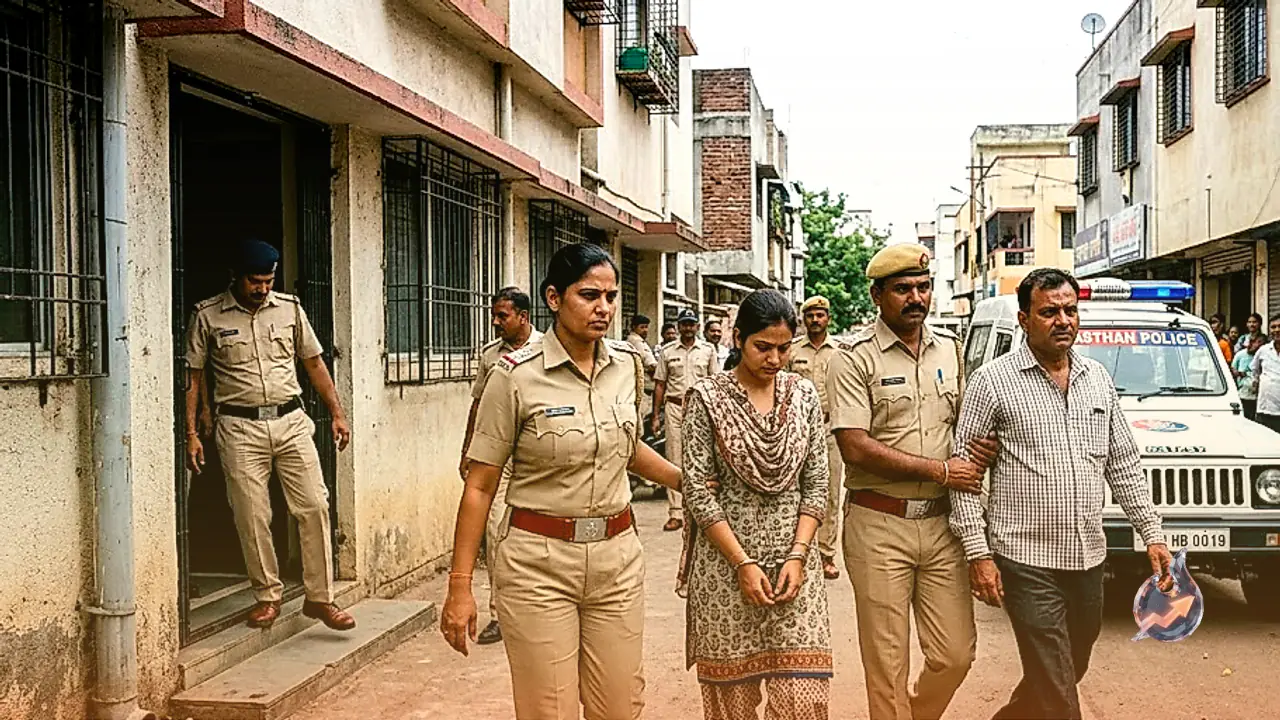
Providing details on the law enforcement action, senior police officer Krishna Kumar Bishnoi, who served as the Superintendent of Police in Sambhal during the riots and is currently the Superintendent of Police for Bijnor, stated on Friday that Satha had already been declared a proclaimed offender by a judicial court. Following his failure to surrender, legal proceedings for the attachment and confiscation of his assets were set into motion. After finalizing procedural requirements, the Uttar Pradesh Police submitted a comprehensive case file to the Central Bureau of Investigation (CBI), which serves as the official point of contact for Interpol in India, leading to the global notice.
Police monitoring revealed that members of Satha's immediate family had been making frequent trips between India and Dubai. Surveillance on these visits enabled law enforcement officers to gather crucial intelligence and compile a exhaustive dossier. Bishnoi emphasized that with the Red Corner Notice active across all Interpol member nations, joint efforts are underway to locate Satha in his host country, secure his provisional arrest, and initiate formal extradition proceedings so he can face trial on Indian soil.
Context of the November 2024 Sambhal Clashes
The violence in Sambhal broke out on November 24, 2024, during a court-mandated archaeological survey of the historic Shahi Jama Masjid. Tension flared up when a section of local residents assembled to protest against the survey, which was ordered following legal petitions asserting that the site originally housed the ancient Harihar Temple. The demonstration quickly escalated into violent clashes between mobs and security personnel deployed at the site. The ensuing unrest resulted in four fatalities and left dozens of citizens and police officers injured.
Subsequent investigation identified Satha as the primary mastermind who coordinated the illegal gathering and incited the violent reaction. Authorities noted that Satha had originally escaped abroad years prior to this incident but remained actively involved in subverting local law and order. Despite several targeted police raids across multiple locations, Satha evaded capture, prompting authorities to post a legal notice under Section 84 of the Bharatiya Nyaya Sanhita (BNS) on his residence. A Lookout Circular (LOC) had also been previously enforced against him at all international ports of entry.
Organized Syndicate and Extensive Criminal Record
Police records indicate that Shariq Satha carries a long history of habitual offending, with approximately 55 to 60 criminal cases registered against him across various police stations. His criminal syndicate was primarily involved in organized vehicle theft networks operating extensively throughout Uttar Pradesh and the National Capital Region (NCR). Despite residing overseas, he continued to manage his operatives in India. The current legal push aims to ensure he faces prosecution not only for the November 24 violence but also for his extensive backlog of criminal offenses.
Understanding the Mechanism of a Red Corner Notice
A Red Corner Notice functions as a high-level international request circulated by Interpol to law enforcement authorities globally. It requests agencies to locate and provisionally arrest a fugitive pending extradition, surrender, or similar judicial process. It is not an international arrest warrant itself, but acts as a critical mechanism to restrict a fugitive's mobility across international borders and alert foreign law enforcement agencies to detain the individual upon identification.