























Rice holds a central place in everyday meals, yet achieving separate, soft, and perfectly cooked grains remains a daily challenge in many households. Cooked rice often turns out mushy or clings together in clumps, dampening the dining experience. Transforming basic rice into a dish with distinct, airy grains does not demand premium rice varieties; rather, it hinges entirely on mastering essential cooking methods and handling moisture effectively during the preparation process.
Rinsing and Soaking to Remove Excess Starch
The primary culprit behind sticky rice is the heavy starch layer coating the exterior of each grain. Cooking rice without removing this surplus starch causes it to gelatinize and turn sticky during boiling. To prevent this, rinse the grains thoroughly under cold running water until the runoff is completely clear. Following the rinse, soak the rice in clean water for at least 20 to 30 minutes. This soaking phase allows the grains to absorb water gradually, expanding their length and preventing them from cracking or splitting during the heat phase.
Maintaining the Correct Water Proportion
Balancing liquid volume according to the chosen cooking method is critical for ideal texture. When preparing rice using the standard absorption method in a covered pot, a ratio of 1 cup of rice to 2 cups of water provides the optimal moisture level. Alternatively, if boiling rice in an open pot with an abundant volume of water, strict measurements are less critical. In this open-boiling approach, the excess starch-laden water must be thoroughly drained through a strainer as soon as the grains reach tenderness.
Using Ghee and Lemon Juice for Separation and Color
Adding specific household ingredients during boiling can dramatically improve grain texture and appearance. Introducing half a teaspoon of melted ghee or refined oil into the boiling water creates a fine protective coating over each grain, preventing them from adhering to one another. Additionally, incorporating 4-5 drops of fresh lemon juice aids starch breakdown due to its mild acidity. This acidic action ensures the grains stay separated while enhancing their bright white color.
Heat Control and Covered Steaming
Regulating stove heat ensures uniform cooking without scorching or overcooking. Bring the water and rice to a vigorous boil over high heat initially. Once the liquid evaporates down to the surface level of the rice, immediately reduce the flame to the lowest setting. Cover the pot tightly with a well-fitting lid and allow it to simmer undisturbed for 8-10 minutes. Avoid lifting the lid or stirring with a spoon during this period, as stirring breaks the delicate grains and lets essential steam escape.
Allowing Adequate Resting Time Post Cooking
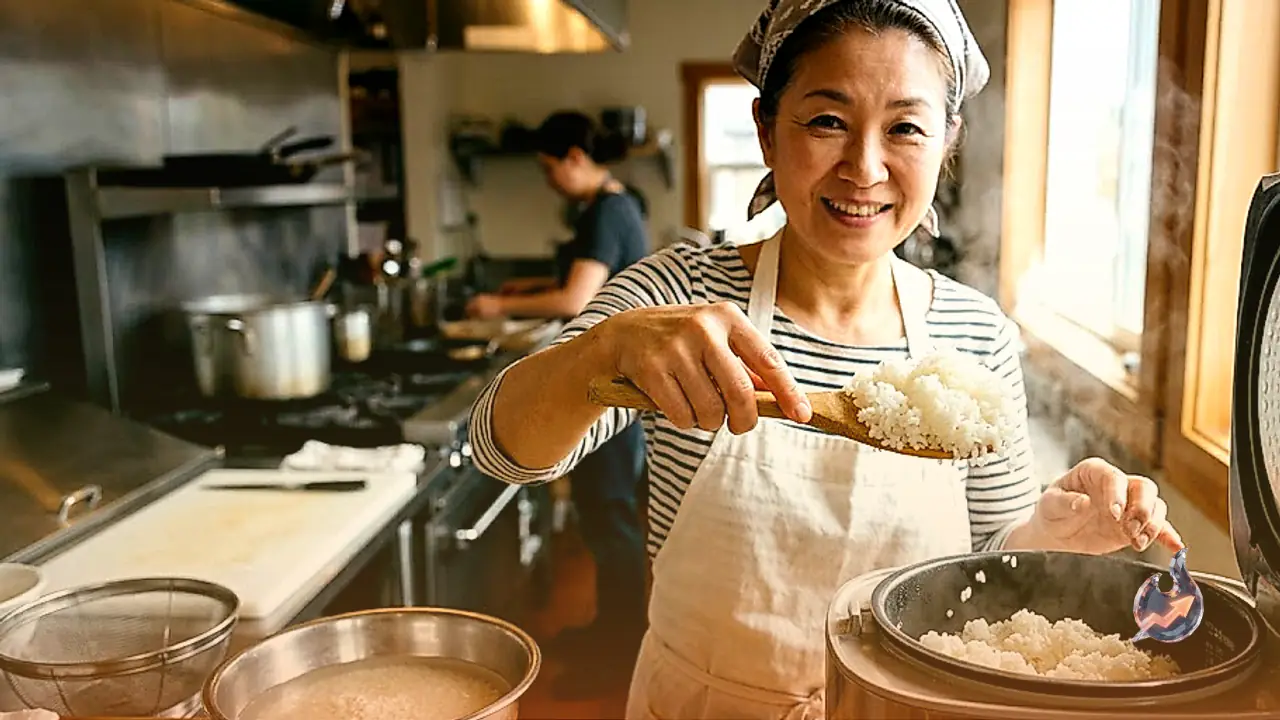
Serving rice immediately after turning off the stove often results in broken or wet grains. Leaving the pot covered off the heat for 10 minutes lets the residual steam redistribute moisture evenly throughout the batch, allowing the starch structure to firm up properly. After the 10-minute rest period, gently fluff the rice with a fork to release excess trapped steam without crushing the individual grains.