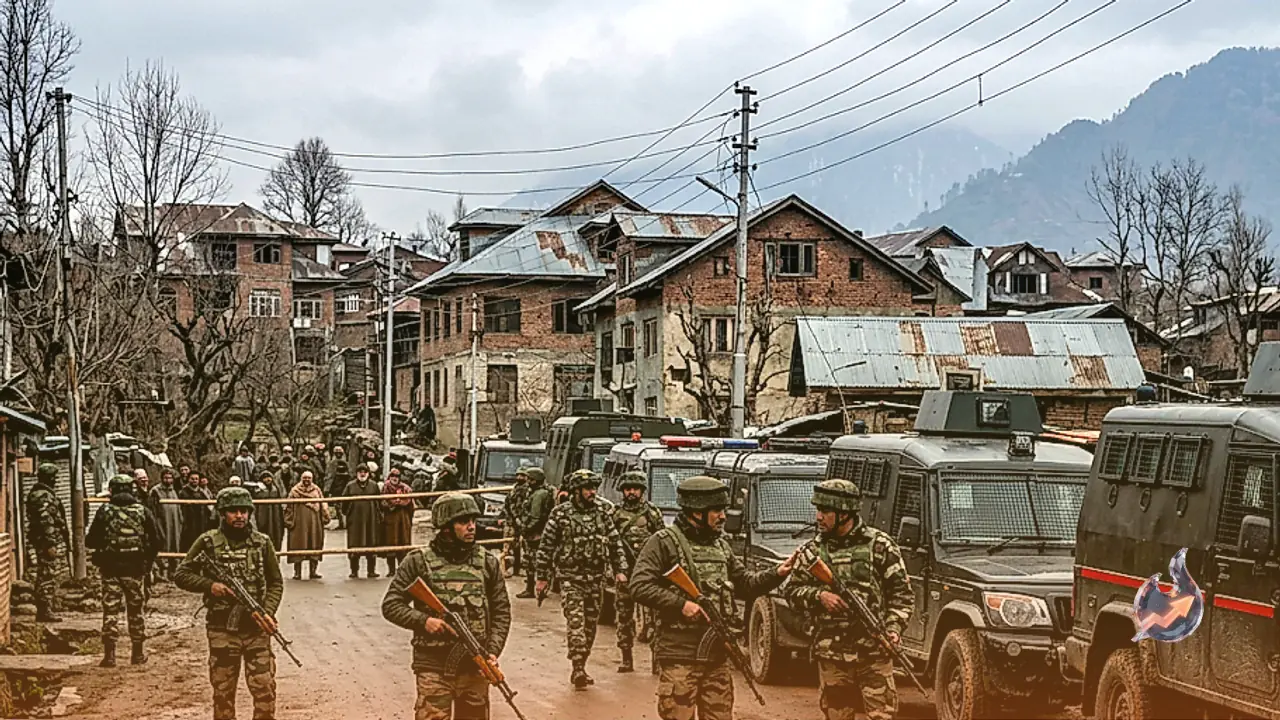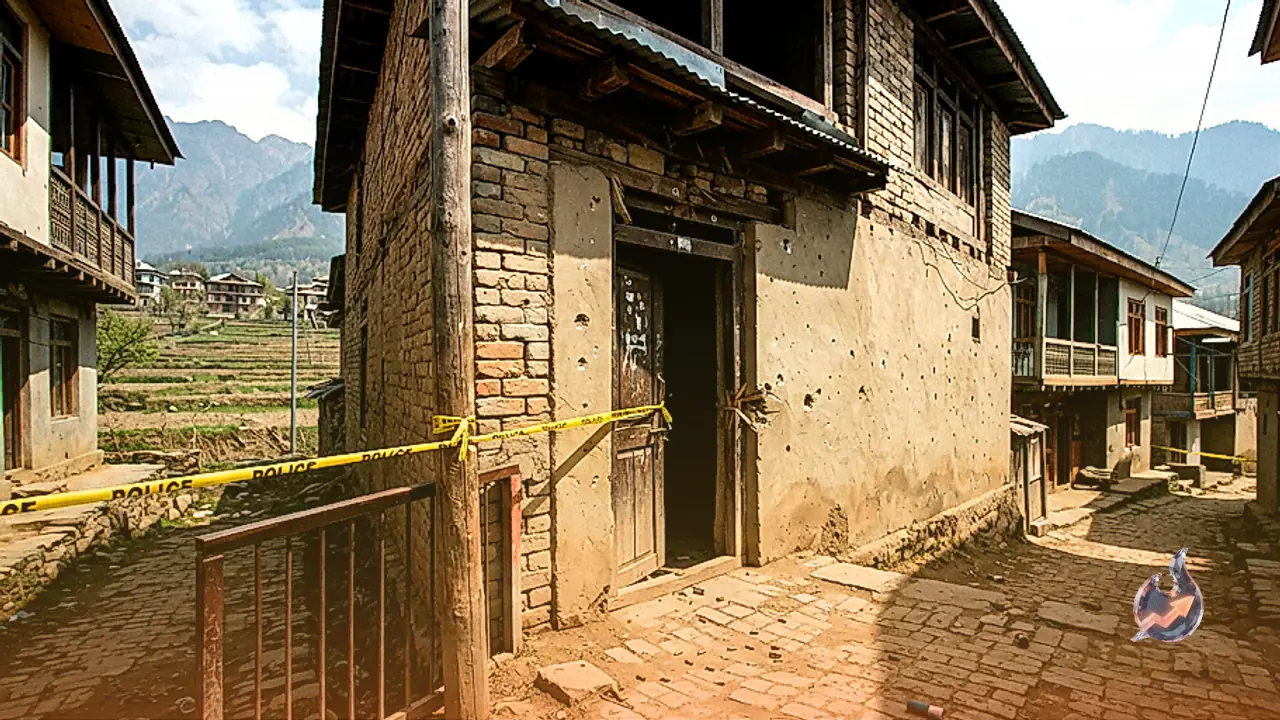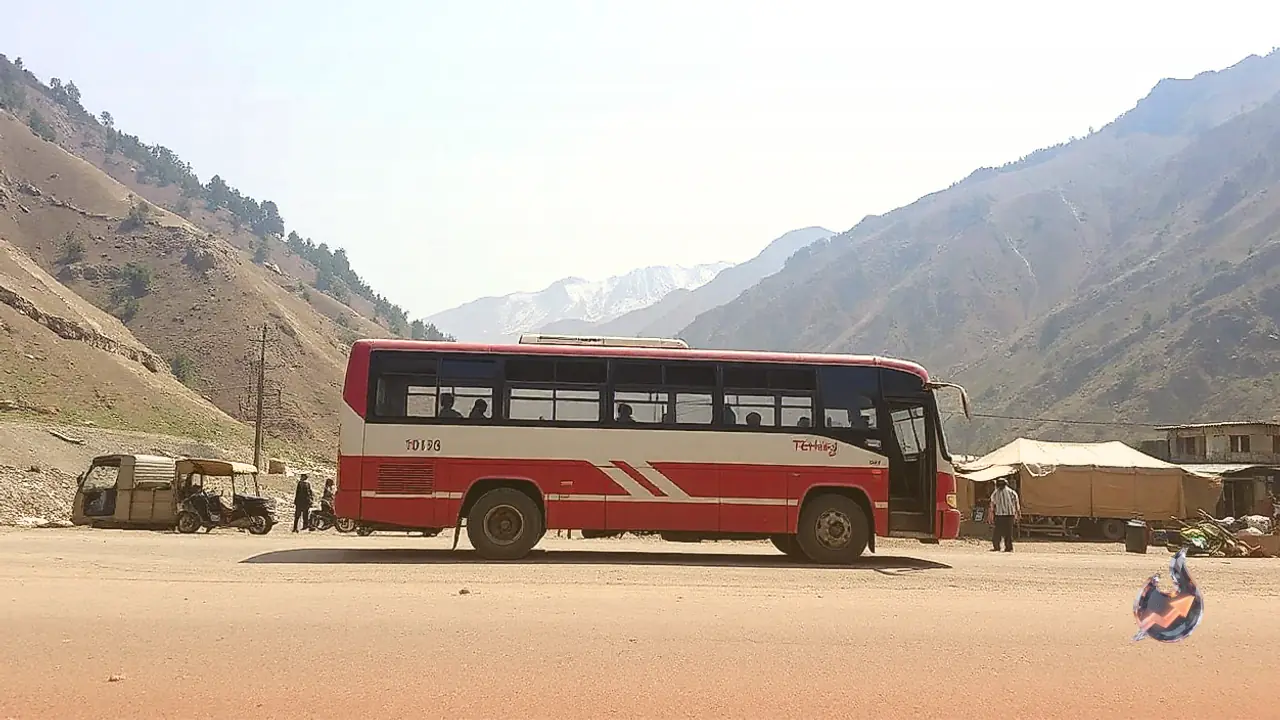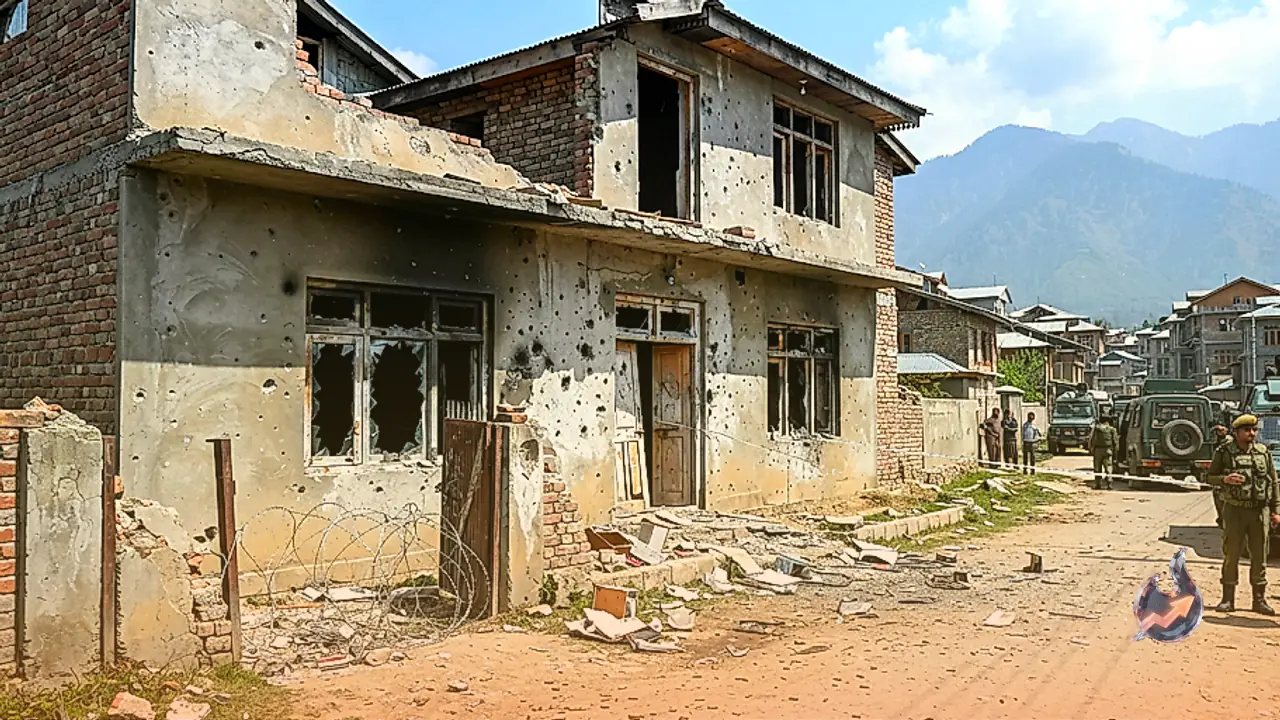

A major terror threat has been eliminated in Jammu and Kashmir as security forces neutralized top Lashkar-e-Taiba commander Lateef Bhat during a meticulously planned operation in Kulgam. Bringing down the wanted operative was not the result of a single stray tip, but rather the outcome of months of relentless surveillance, detailed movement analysis, and tight coordination among security agencies. Once concrete intelligence confirmed that Bhat was holed up inside a local mosque, security personnel established a tight cordon that lasted for nearly three hours. Throughout the standoff, security officials exercised extreme restraint, making multiple attempts to persuade him to surrender through video calls and public announcements, but after he adamantly refused to lay down his arms, the forces brought the operation to a decisive end.
Months of Surveillance and Movement Pattern Tracking
According to intelligence sources, the operation was built upon long-term monitoring rather than a sudden piece of information. Security agencies had mapped out Lateef Bhat’s movement profile using technical intelligence and historical travel patterns. Investigators discovered that he followed a distinct routine, avoiding unnecessary travel and frequently seeking shelter in local mosques or abandoned government buildings after sunset. This recurring behavioral pattern became a crucial element of the tactical assessment, allowing security agencies to anticipate his next moves and narrow down his potential hideouts across Kulgam and Shopian sectors.
Tight Coordination Among Security Leadership
The operation witnessed remarkable synergy among senior officials across multiple security agencies. Strategy meetings were held multiple times a day at the Khanabal sector headquarters, attended by core commanders, inspector general rank officers, and senior Central Reserve Police Force personnel. Learning from past anti-terror operations, such as the Chand Singh encounter where a terrorist had managed to slip away, the security leadership ensured that their resources were not spread thin. Instead, they maintained intense vigilance based on specific actionable intelligence regarding Bhat's likely hideouts, ensuring complete harmony between intelligence assessments and operational decisions.
Crucial Intelligence Lead Regarding Mosque Presence
The turning point arrived when the Jammu and Kashmir Police received specific inputs from their local intelligence network indicating that Bhat was inside a mosque. Given the religious sensitivity of the location, security personnel had to proceed with extreme caution while maintaining an unyielding perimeter. Kulgam Senior Superintendent of Police Inayat Ali stated that the forces made repeated efforts to convince Lateef Bhat to surrender peacefully. He revealed that he personally spoke to the cornered terrorist via a video call alongside the commanding officer of the 9 Rashtriya Rifles, urging him to lay down his weapons. Public announcements were also made repeatedly, urging him to walk out unharmed, but Bhat refused every appeal.
Major Blow to Militancy in South Kashmir
The elimination of Lateef Bhat is considered a significant milestone against the backdrop of rising terror incidents in south Kashmir. He was among the most wanted local commanders of the Lashkar-e-Taiba and was implicated in multiple high-profile attacks, including the November 11 assault on a CRPF post in Akhran, Kulgam, which left three personnel injured. Furthermore, he was wanted in connection with the July 22 attack in Anantnag that claimed the life of a police officer, as well as the killing of two migrant laborers in Kulgam in August.
Links to Accomplices and Pre-Attack Reconnaissance
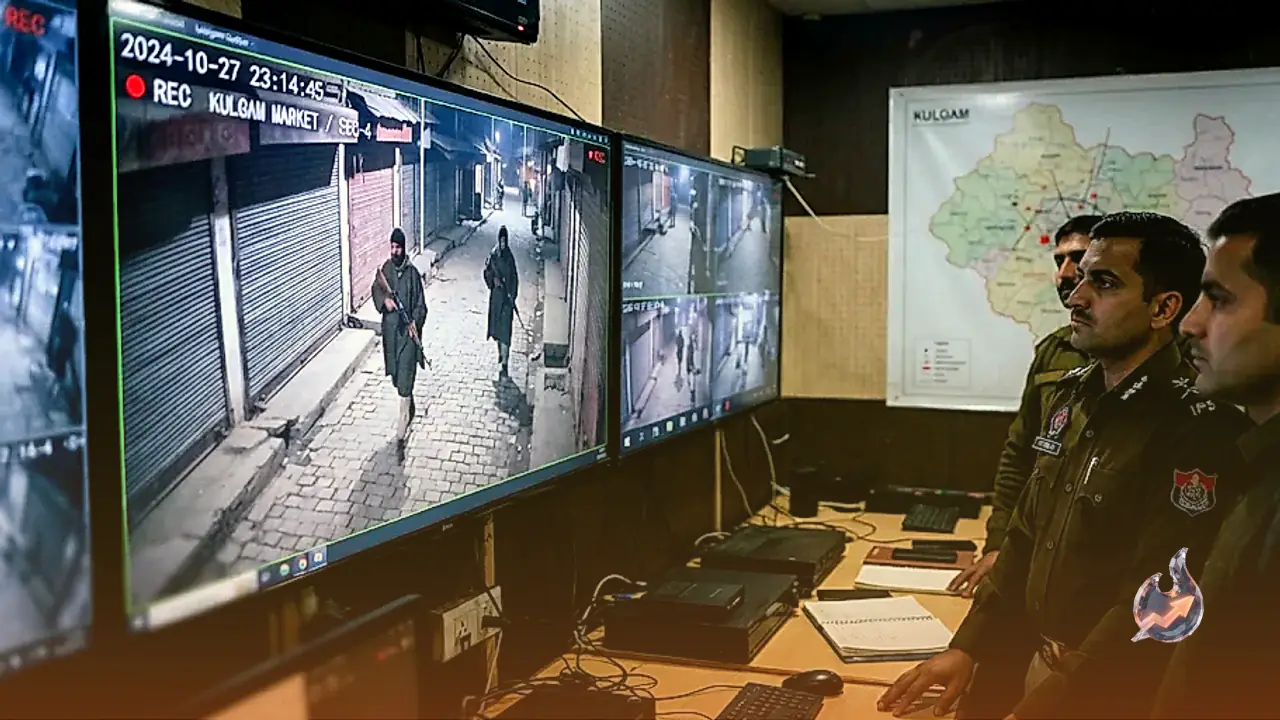
Bhat's neutralization follows the encounter of his close associate, Umar निसार Dar, who was killed in an operation in Laru on Monday. Investigations revealed that Dar had allegedly sheltered Bhat for five to six months, providing him with logistic support and shelter. Closed-circuit television footage had also captured the pair conducting reconnaissance at various locations prior to the attack on the CRPF checkpoint.