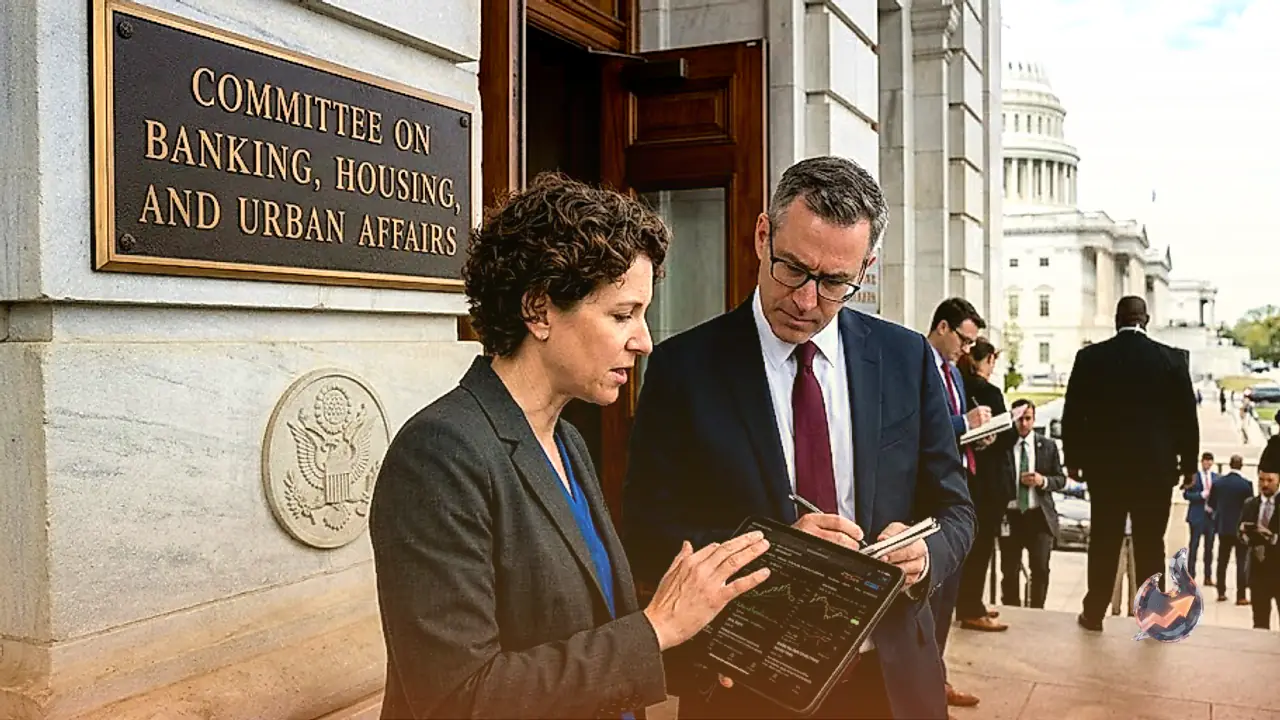























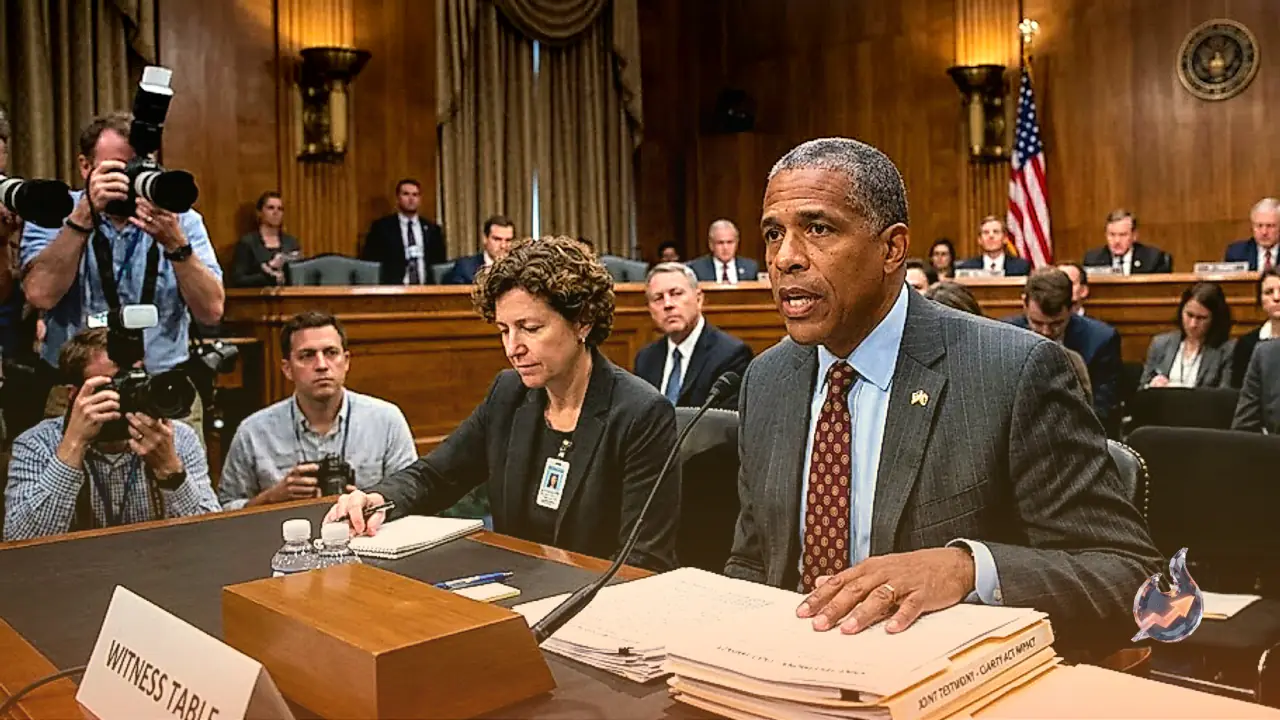

A high-stakes regulatory showdown is unfolding on Capitol Hill as the comprehensive cryptocurrency framework known as the CLARITY Act confronts fierce resistance ahead of a decisive Senate cloture vote. A bipartisan alliance of 18 state attorneys general has formally intervened, calling upon senators to vote against the measure unless sweeping modifications are instituted to defend state-level enforcement jurisdiction. Meanwhile, Treasury Secretary Scott Bessent has reaffirmed the executive branch's backing of the measure, describing the statutory framework as a vital component for maintaining technological leadership on the international stage.
State Regulators Defend Anti-Fraud Jurisdiction
The coalition of chief legal officers pointed to a rigorous history of market oversight, documenting that individual states have initiated over 330 anti-fraud enforcement actions targeting cryptocurrency operations since 2017. These historical cases encompass a wide range of illicit conduct, including deceptive web domains and predatory investment schemes aimed at retail consumers. The coalition warned that textual ambiguities within the updated legislative text could furnish deceptive entities with procedural loopholes to challenge or intentionally stall state proceedings. State authorities underscored that their boots-on-the-ground policing remains indispensable in safeguarding local capital.
“Enforcing our laws against those defrauding investors in our states is an important function and an essential complement to federal authority,” the attorneys general wrote.
Significant alarm was also voiced over prospective curbs on state licensing and transactional registration for securities intermediaries. State officials maintained that these traditional regulatory mandates are bedrock instruments for conducting examinations, probing malfeasance, and shielding citizens from predatory conduct, urging lawmakers to restrict exemptions strictly.
Federal Preemption Concerns and the 60-Vote Hurdle
A central pillar of the attorneys general's opposition targets the inclusion of qualified transaction language, which the coalition argues could grant the Securities and Exchange Commission indirect authority to preempt state oversight. In their assessment, this mechanism risks undermining the cooperative dual-regulatory equilibrium historically maintained between state and federal agencies. The coalition closed its dispatch with an explicit recommendation to reject the statute in its present form.
“The Senate should vote NO on the current version of the CLARITY Act unless and until the states’ powers to police the market and protect investors are fully preserved,” the coalition stated.
This escalating friction coincided with the release of an updated iteration by Senate Republicans late Sunday evening. That revision incorporated several concessions designed to attract Democratic lawmakers, addressing governmental ethics rules alongside parameters governing potential criminal exposure for decentralized finance initiatives. Nonetheless, clearing the necessary 60-vote cloture threshold to advance the bill remains mathematically uncertain amid shifting party dynamics.
Banking Anxieties and the Competing Economic Visions
Traditional financial institutions have introduced another layer of conflict, directing criticism toward the statutory rules governing payment stablecoins. Banking trade associations issued warnings that permitting yield-bearing mechanisms on these digital tokens could spark significant deposit migration away from commercial lenders, thereby constraining community-level credit formation and underwriting capacity.
Treasury Secretary Scott Bessent contested this view by indicating that the latest revisions explicitly arm his department with targeted oversight powers to insulate community banks from prospective stablecoin disruptions. Despite these countervailing headwinds from state officials and banking groups, prominent cryptocurrency industry advocates continue to lobby aggressively for passage ahead of Tuesday's planned procedural roll call.
Market Reaction Across Leading Digital Tokens
As legislative negotiations entered a critical juncture, major digital assets staged modest recoveries following recent market volatility. Bitcoin advanced on Monday to trade near $77,884, eventually reclaiming ground above $78,200 after experiencing a pullback exceeding 4% during the prior week. Gains in the flagship coin were tempered by a resilient US dollar, propelled by speculative expectations surrounding Federal Reserve policy along with lingering geopolitical tensions.
Altcoins largely mirrored this consolidation pattern. Ethereum maintained pivotal chart support around $2,521, while Ripple demonstrated resilience by holding the $1.38 threshold. Pi Network built upon its two-week upward streak, trading above $0.097 on Monday behind programmatic infrastructure upgrades and refined tools for developers. Conversely, Cardano traded near $0.200, proximate to its critical 50-day and 100-day exponential moving averages, following an 8% contraction the preceding week as technical indicators highlighted continued susceptibility to overhead distribution.