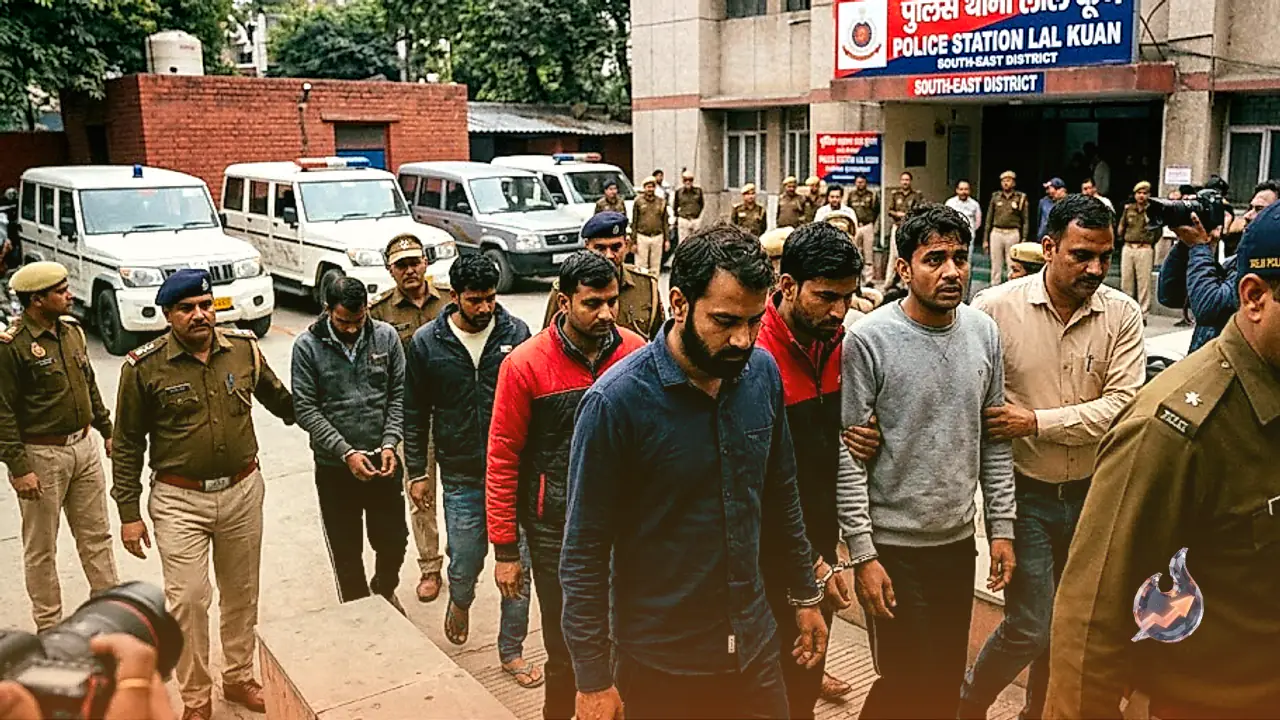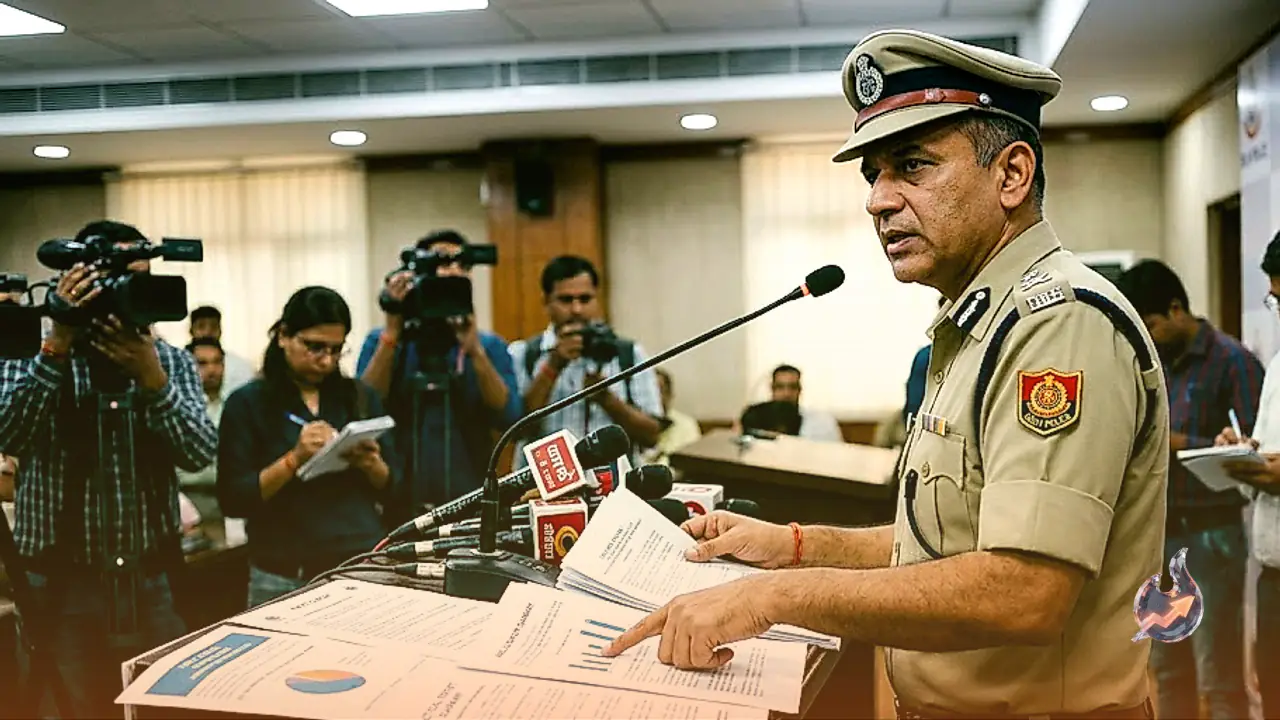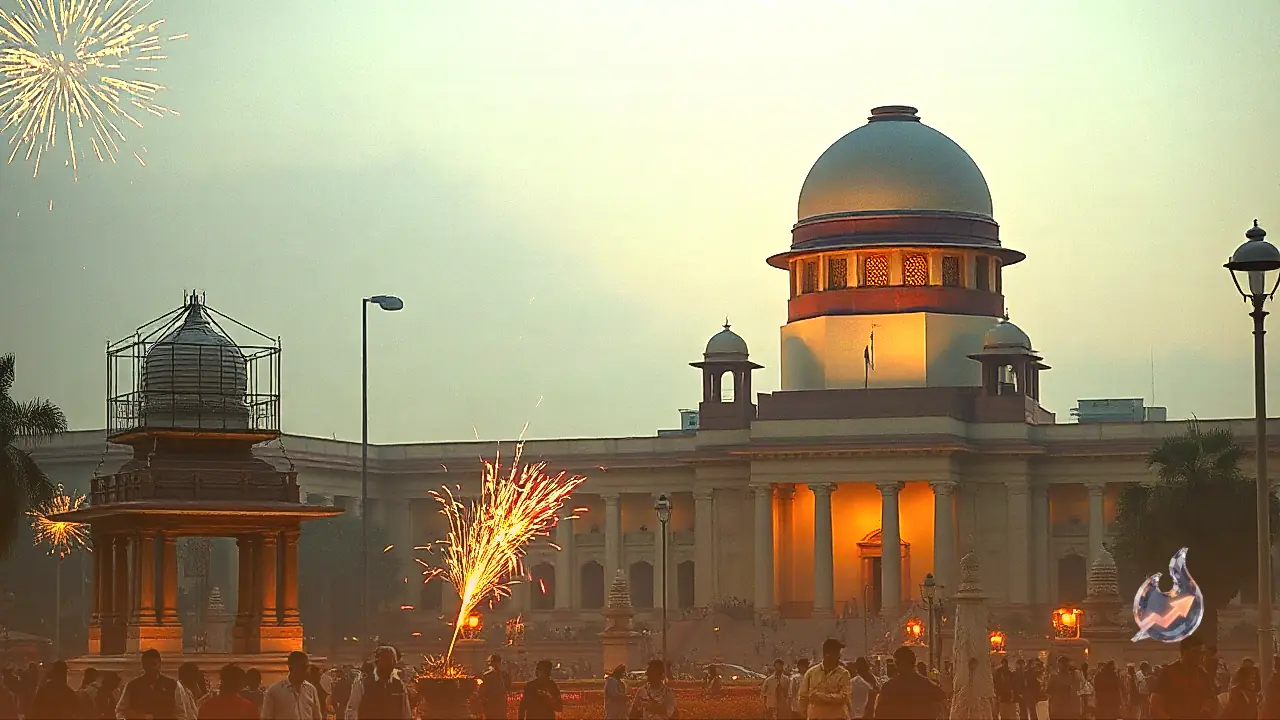





















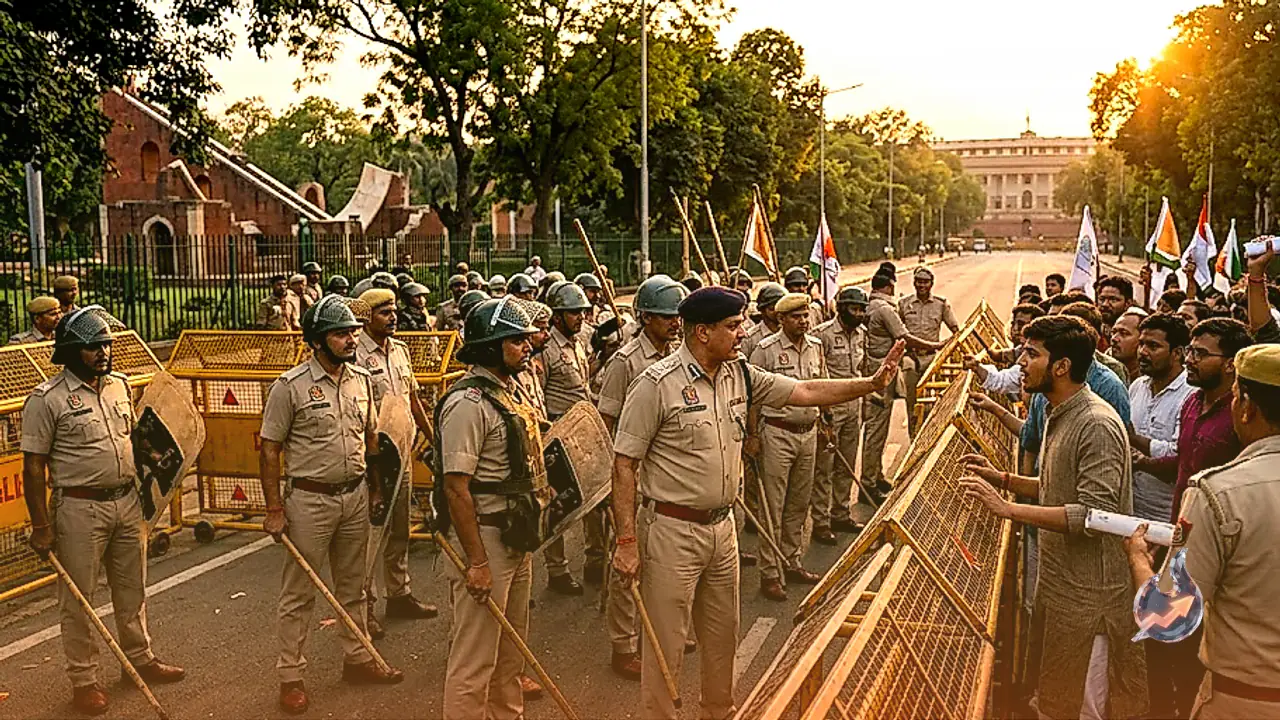

Delhi Police significantly stepped up security outside Jantar Mantar as preparations were underway for a march towards Parliament on July 20. The police made clear that no permission had been granted for the march, and tightened security in the area just before Parliament's session was set to begin.
What triggered the crackdown
The Cockroach Janta Party, referred to as CJP, had planned to carry out a march titled 'Chalo Sansad'. To stop it, Delhi Police invoked Section 163, a provision used to bar large gatherings and processions in public places. Police said the organisers had not sought prior permission for the march, which is why security personnel were deployed in greater numbers around Jantar Mantar.
How security was tightened at Jantar Mantar
Police formed human chains around the Jantar Mantar area to prevent protesters from moving towards Parliament. A large contingent of security personnel was deployed and surveillance in the area was stepped up to keep the July 20 protest under control.
The Sonam Wangchuk connection
The developments are also linked to Sonam Wangchuk's hunger strike. His wife, Gitanjali Angmo, said, "Sonam will end his hunger strike if political leaders assure to raise issue of education accountability in Parliament." In a related development, Arvind Kejriwal visited Sonam Wangchuk on July 16, and security around Jantar Mantar was also stepped up ahead of that visit.
What protesters are saying
Despite the tightened security, protesters have vowed to press ahead with the march, saying the restrictions will not change their resolve to continue demonstrating for their demands.
A recurring pattern of protests
This is not the first time the Cockroach Janta Party has attempted to hold a demonstration at Jantar Mantar. Security was similarly ramped up ahead of the organisation's protest on June 6, and again before its second protest at the same venue on June 20, showing that police have been on high alert around Jantar Mantar for several weeks now.