




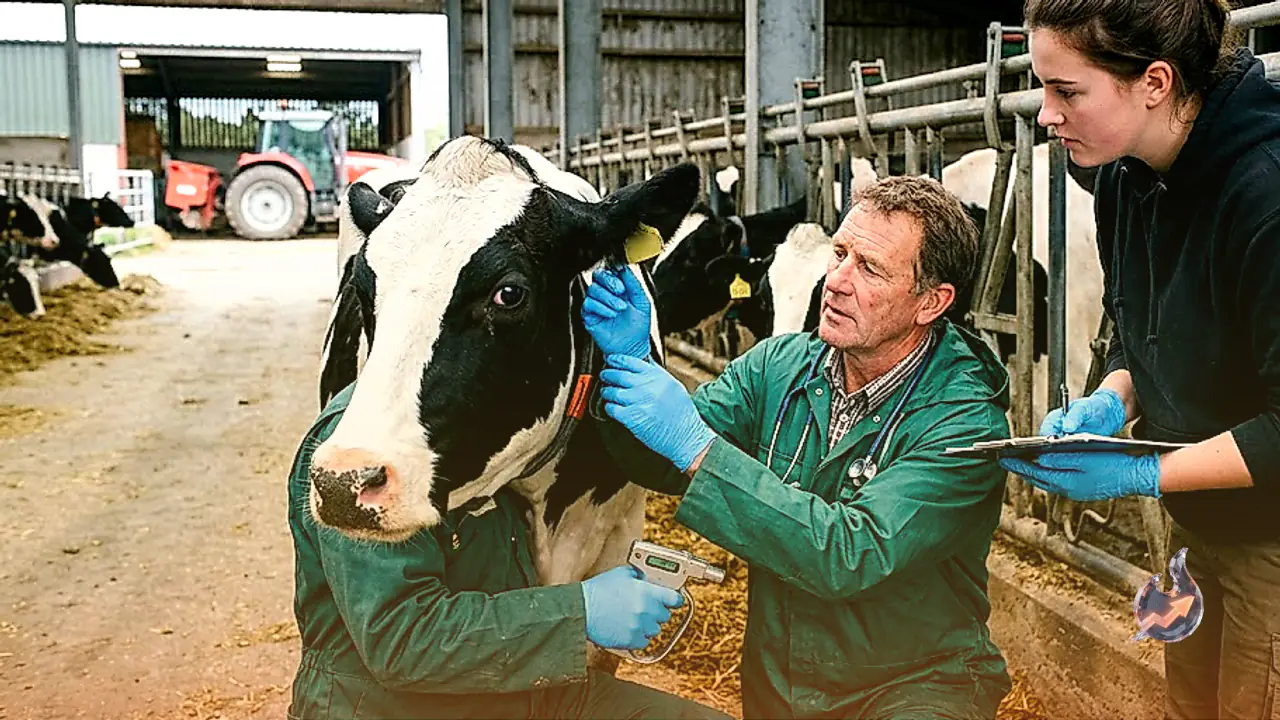


















For farmers and dairy operators, purchasing livestock and transporting animals between locations is a routine undertaking. However, even minor negligence during these activities can trigger a severe health hazard. Brucellosis is a dangerous infection affecting dairy animals such as cows, buffaloes, sheep, and goats, and it has the capacity to transmit from animals to humans. A concerning aspect is that infected livestock often display no obvious signs of illness, leading owners to inadvertently introduce them into healthy herds. Consequently, conducting a health screening before integrating any new animal into an existing group is critically important.
Signs and Identification in Animals
According to veterinary doctor Vinod Chaudhary, the most destructive impact of Brucellosis targets the reproductive capabilities of livestock. When this infection spreads through a herd, several distinct warning signs may emerge. Spontaneous abortion during the final trimester of pregnancy serves as the primary indicator of the disease. Additional reproductive complications include infertility, retained placenta, and the birth of dead or weak offspring. Milk production in an infected animal drops sharply and suddenly. Among male livestock, the condition manifests as swelling in the testicles along with infertility issues. If an animal exhibits these persistent problems, owners should immediately consult the nearest veterinarian rather than attempting home remedies.
Transmission Pathways to Humans
Brucellosis functions as a zoonotic disease, meaning it transfers naturally from animals to human populations. Primary transmission routes for humans include consuming contaminated dairy goods such as raw or unpasteurized milk, unpasteurized cheese, and related products derived from infected stock. Eating undercooked meat from an infected animal also creates vulnerability. Direct contact with aborted animal fetuses, placentas, blood, or other bodily fluids poses a major infection risk, although human-to-human transmission remains extremely rare. Individuals working in dairy farms, livestock rearing, slaughterhouses, and diagnostic laboratories face the highest exposure hazards.
Symptoms in Humans
Symptoms of Brucellosis in humans can take several weeks or months to manifest visibly. The initial stage often mimics common viral fevers or routine fatigue. Recurring fevers, particularly marked by rising body temperatures during evening hours, are common. Affected individuals frequently experience excessive sweating, appetite loss, profound exhaustion, and persistent headaches. Ongoing discomfort in the muscles, joints, and lower back also remains characteristic of the condition.
Long-Term Complications of Untreated Infection
Failing to secure timely medical intervention allows Brucellosis to advance into a chronic state. This progression exposes patients to prolonged physical pain, chronic joint inflammation, and permanent physical debility, making early detection vital for complete recovery.
Prevention and Safety Measures
Veterinary expert Vinod Chaudhary outlines essential safety protocols for livestock handlers and dairy facility workers to mitigate infection risks. Buyers should thoroughly investigate the health and breeding background of any new animal before purchase, ensuring it remains isolated from the main herd until cleared by screening. Routine vaccination schedules for livestock must be maintained without exception. Handlers interacting with infected or deceased animals, placentas, or bodily fluids should consistently wear protective gloves and keep all skin wounds completely covered. Laboratory and dairy staff must strictly utilize masks, aprons, and gloves during diagnostic and care procedures. Furthermore, anyone regularly interacting with livestock who develops persistent fevers or body aches should inform medical practitioners about their animal handling activities to ensure accurate diagnosis.