
















Addressing persistent diplomatic queries regarding the extradition of former Prime Minister Sheikh Hasina, New Delhi has formally clarified that no calendar deadline can be established for her return to Bangladesh. Indian authorities noted that Dhaka's request is undergoing comprehensive judicial and diplomatic evaluation, indicating that the matter will not be resolved hastily or solely through political channels without completing standard legal requirements.
Indian Envoy Outlines Stance at Dhaka Dialogue
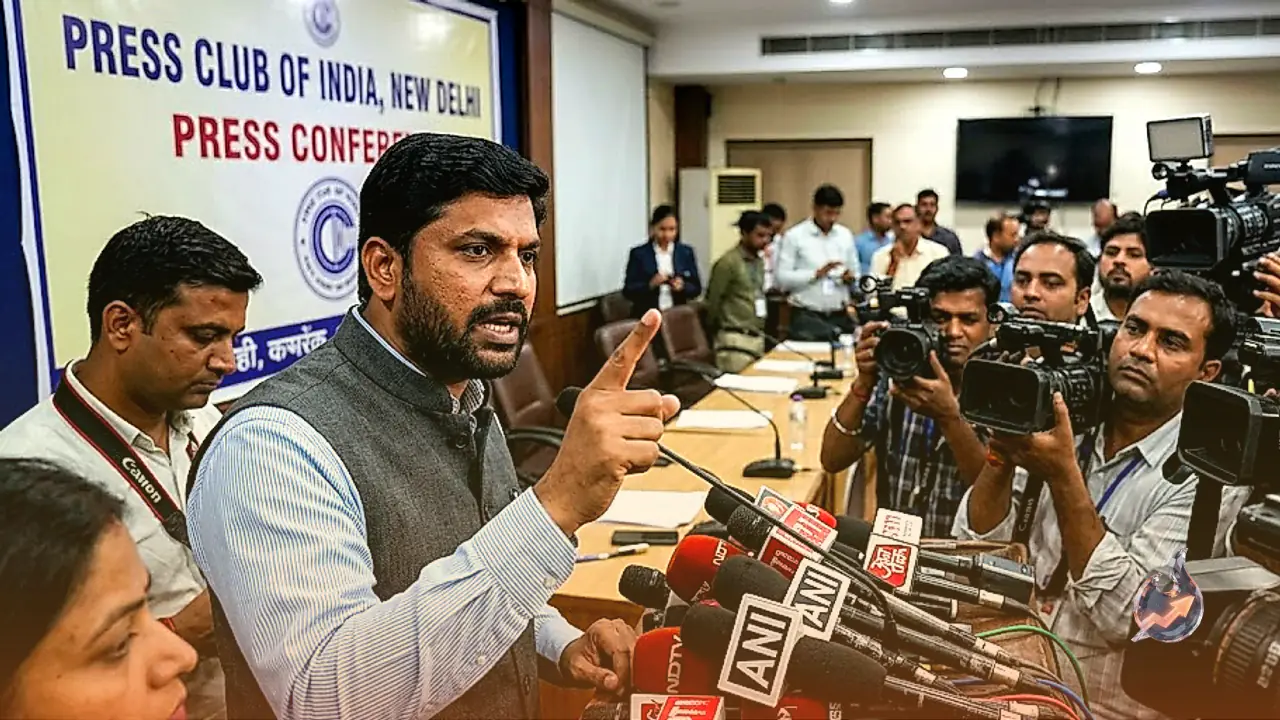
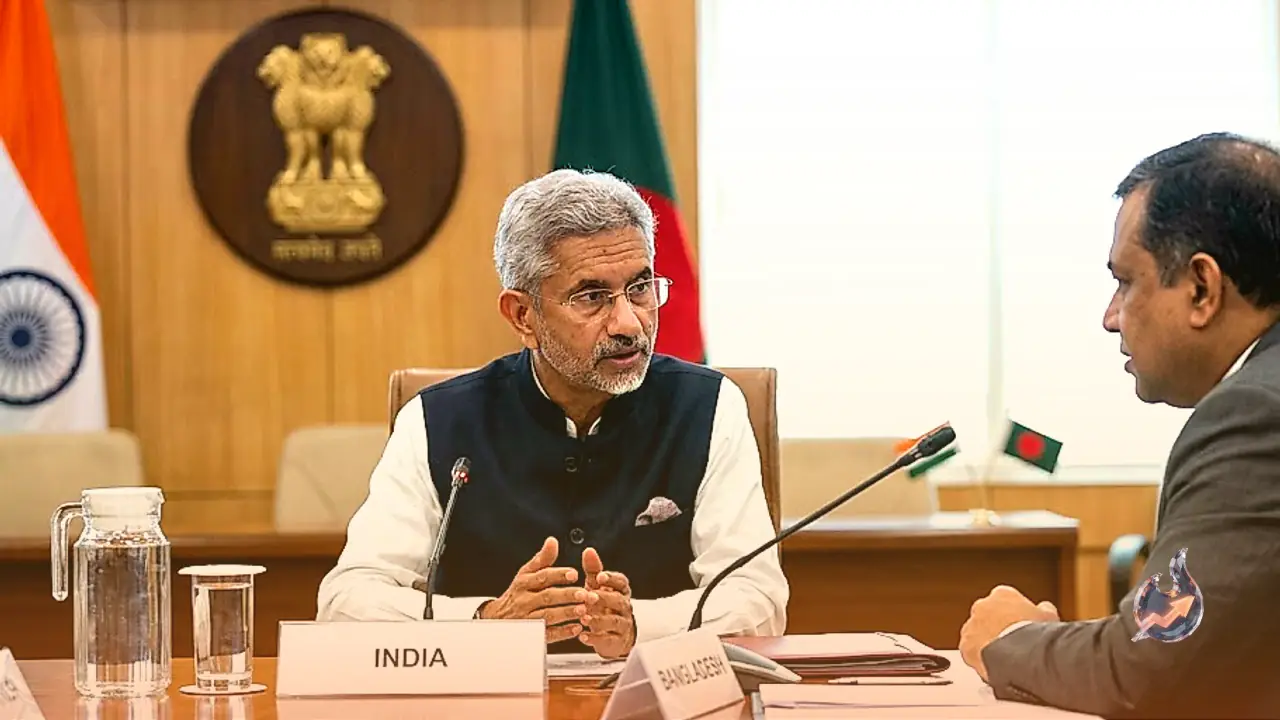
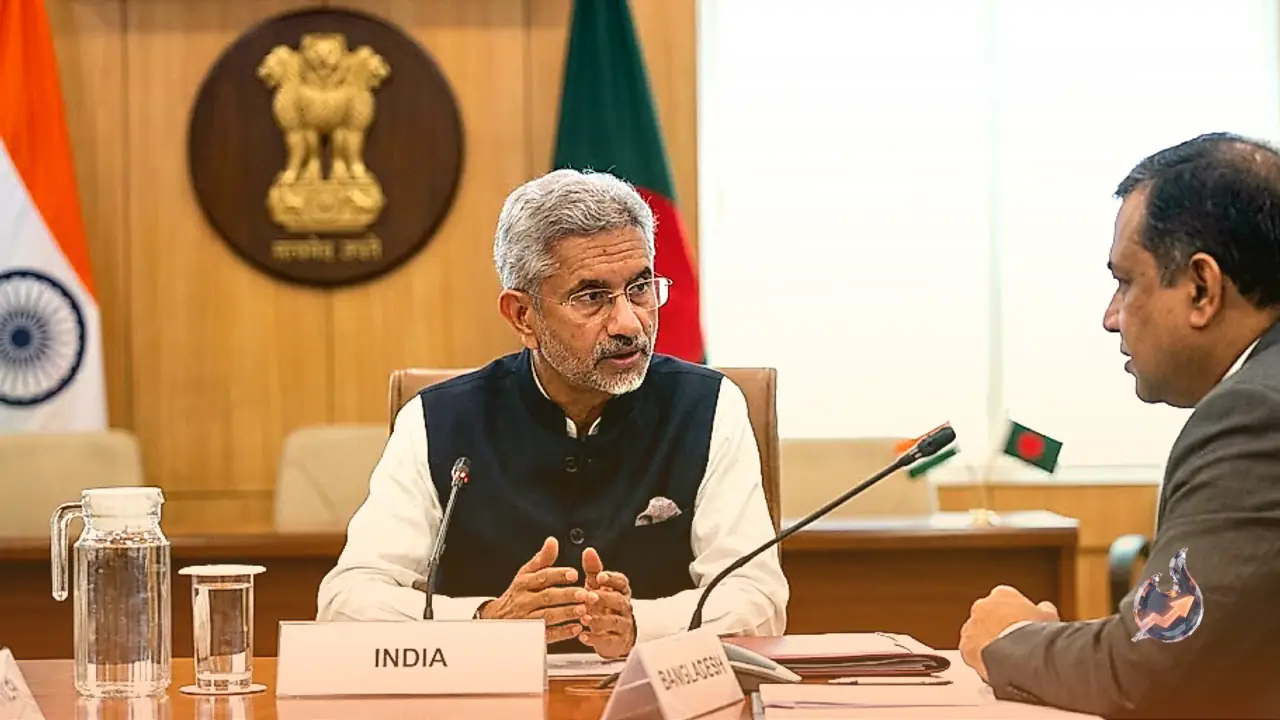
Speaking at a specialized session of the Bay of Bengal Conversation 2026 organized in Dhaka, India's High Commissioner to Bangladesh Dinesh Trivedi engaged directly with the subject. He confirmed that New Delhi has indeed accepted a formal extradition application submitted by Bangladesh. Trivedi elaborated that the submission is presently being scrutinized in strict accordance with defined bilateral treaties and legal benchmarks. He emphasized that establishing an arbitrary timeframe remains impossible in such sensitive judicial proceedings. Sheikh Hasina had arrived in India during early August 2024 amid abrupt political upheaval across the border, and her presence has since remained a pivotal topic of bilateral interaction between both administrations.
Context of Arrival on Military Aircraft
Recalling the acute circumstances surrounding her departure, Trivedi explained that Sheikh Hasina was transported into India aboard a Bangladesh military aircraft. Describing the severe instability at that critical moment, the high commissioner pointed out that India had virtually no other alternative as a neighbor confronted with immediate realities on the ground, as reflected in publicly shared remarks on X. From New Delhi's perspective, granting refuge was rooted in urgent humanitarian considerations and border security imperatives. Permitting her entry was viewed as an essential action to avert deeper regional chaos during a fast-moving crisis.
Framework of the 2013 Treaty and Key Exceptions
Extradition protocols between sovereign nations depend on concrete legal mechanisms rather than spontaneous political mandates. India and Bangladesh operate under a formal extradition agreement drafted in 2013 and subsequently revised through amendments in 2016. Every demand for the transfer of individuals must align with the parameters set within that treaty. Crucially, the agreement contains defined exemptions, particularly surrounding offenses deemed political in character or cases undergoing active domestic judicial evaluation. Consequently, Indian legal advisors are methodically analyzing Dhaka's formal request against these specific safeguards and contractual clauses.
Why a Definite Schedule Remains Unannounced
When pressed on why an exact resolution date has not been declared, representatives reiterated that legal reviews follow their own thorough schedules. Because judicial assessments must remain insulated from executive expedience, declaring a predetermined endpoint is unfeasible. Trivedi underscored this procedural reality by observing that nobody can realistically provide a definitive deadline, as the government has maintained that a structured, legitimate legal framework must run its complete course. Only after Indian legal authorities finish evaluating all legal aspects will the two governments discover the definitive direction of the request.
Sustaining Broader Cross-Border Cooperation
While the status of Sheikh Hasina continues to dominate bilateral discussions, Indian officials maintain that foundational ties between India and Bangladesh transcend any single leadership transition. Strategic collaboration across vital sectors, including cross-border trade, energy supplies, border security coordination, and regional infrastructure development, continues through active diplomatic engagements. New Delhi has signaled that routine bilateral cooperation will proceed uninterrupted alongside the ongoing judicial review. International observers and regional analysts now remain focused on the final determinations of the legal review as diplomatic communication continues between both capitals.