














Supreme Court Refuses Direct Hearing on Bar Council Brawl, Asks Prashant Bhushan to Approach Delhi High CourtDelhi
3 Sept 2026, 1:10 pm (40 min ago)· 0

Supreme Court Refuses Direct Hearing on Bar Council Brawl, Asks Prashant Bhushan to Approach Delhi High Court

The Supreme Court has declined to hear a petition demanding a CBI probe and CCTV preservation into an alleged brawl among lawyers at the Bar Council of India office. CJI Surya Kant advised advocate Prashant Bhushan to move the Delhi High Court.

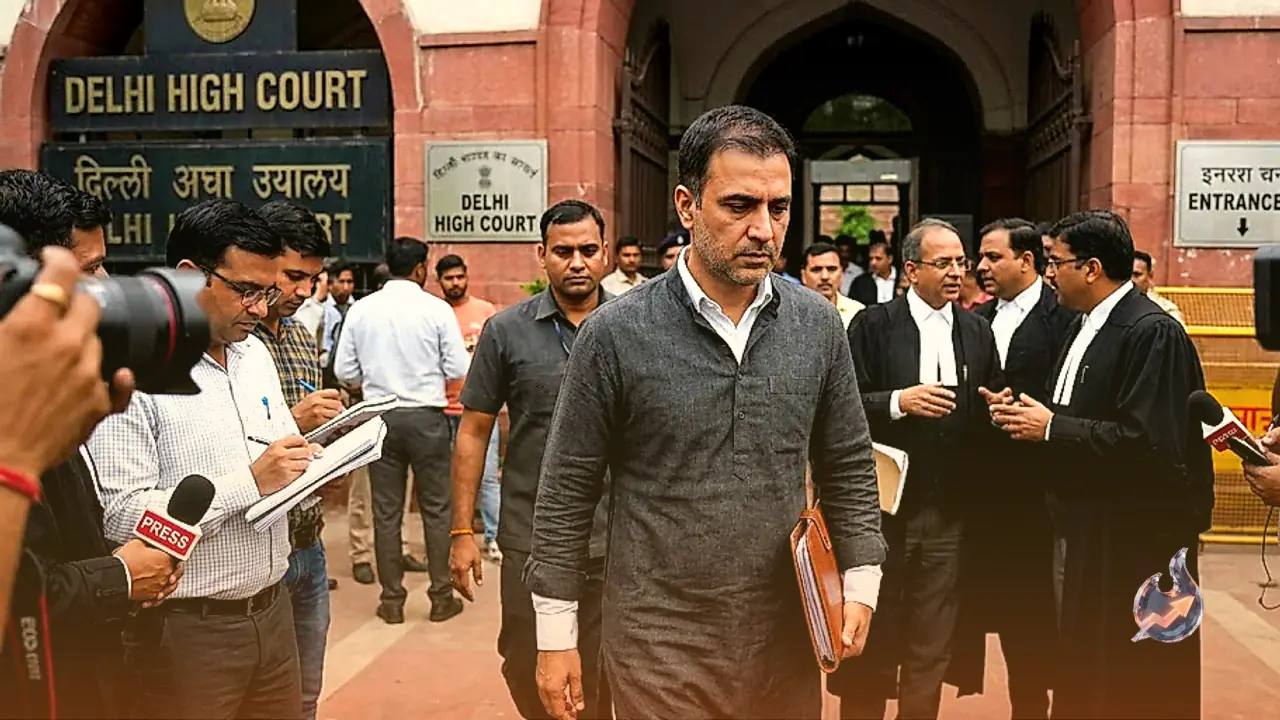
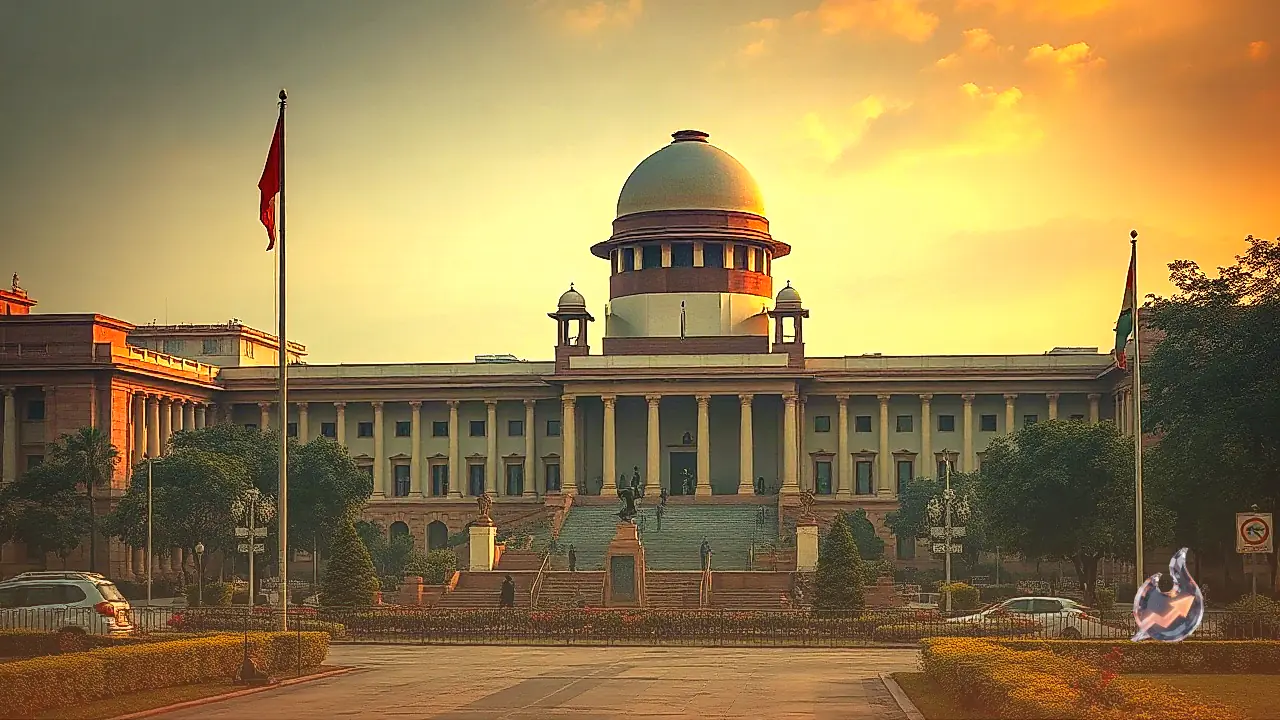
The Supreme Court of India has declined to entertain a petition seeking an independent probe into an alleged brawl between lawyers at the Bar Council of India premises. A bench headed by CJI Surya Kant refused direct intervention in the matter, advising senior advocate Prashant Bhushan to approach the Delhi High Court instead. The top court emphasized that directing the petitioner to the High Court was necessary to prevent any public perception of institutional bias in handling disputes concerning governing legal bodies.

Background of the Bar Council Premises Clash

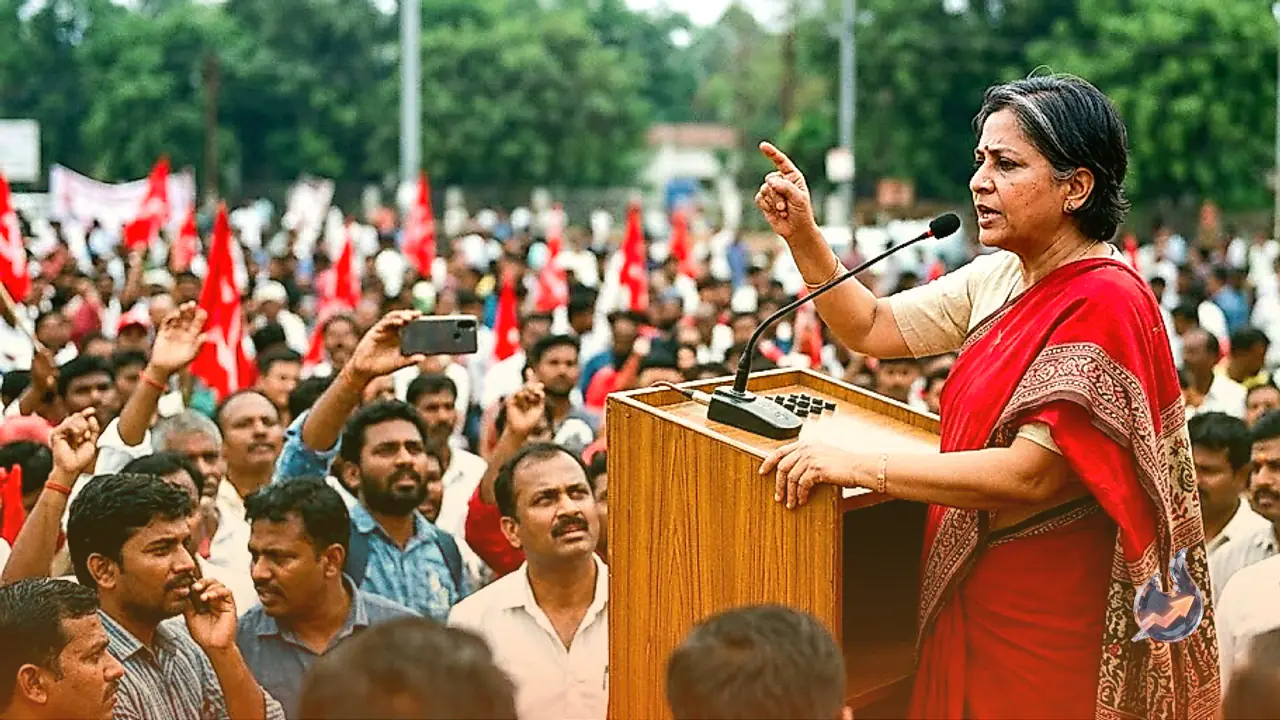
The controversy stems from an incident on the 21st that was recorded on video, showing a physical altercation among lawyers inside the Bar Council of India office. According to senior advocate Prashant Bhushan, the lawyers had gathered to register a protest after submitting a formal memorandum demanding administrative and structural reforms. Bhushan submitted before the court that legal professionals possess a fundamental right to raise their demands through peaceful protests, though the demonstration escalated into a physical confrontation on the date of the incident.

Also read

Demand for CBI Probe and CCTV Preservation

Mentioning the matter before CJI Surya Kant on Thursday, Prashant Bhushan raised strong objections to statements attributed to Bar Council of India Chairman Manan Kumar Mishra. The petition highlighted that the Chairman had allegedly referred to the protesting lawyers as legal cockroaches and boasted about individuals confronting and thrashing them at midnight. Citing apprehensions that crucial evidence could be tampered with or destroyed by the Bar Council management, Bhushan requested the apex court to order an investigation by the Central Bureau of Investigation and issue directions to immediately secure all CCTV footage from the premises.

Supreme Court Focus on Institutional Neutrality

During the hearing, CJI Surya Kant questioned why the petitioner chose to bypass the High Court, asking Prashant Bhushan what prevented him from seeking relief there first. Addressing the counsel, the CJI noted that taking up such disputes directly in the Supreme Court could give rise to misgivings among the public regarding institutional bias. Even as Prashant Bhushan pointed out that other related matters involving the Bar Council of India were pending before the top court, the bench remained steadfast in its decision, reiterating that the Delhi High Court is the appropriate forum for the matter.


Questions & Answers

What did the Supreme Court decide regarding the Bar Council brawl case?
The Supreme Court declined direct hearing and directed the petitioner to approach the Delhi High Court.
What demands were made by Prashant Bhushan in his petition?
Prashant Bhushan demanded a CBI investigation into the lawyer clash and directions to preserve the BCI CCTV footage.
Why did CJI Surya Kant advise approaching the Delhi High Court?
CJI Surya Kant stated that direct top court intervention could create a perception of institutional bias.
What controversial statement of the BCI Chairman was cited in court?
The petition alleged that BCI Chairman Manan Kumar Mishra referred to protesting lawyers as legal cockroaches.

Comments 2

Rohan Verma@rohan-verma·14m ago

This development highlights the deepening internal friction and disciplinary crisis within apex legal bodies, where institutional discord directly impacts professional credibility. The Supreme Court's refusal to bypass the judicial hierarchy reinforces proper procedural norms, ensuring that disputes involving governing bodies are first scrutinized by the High Court. How the Delhi High Court handles the demands for administrative reform alongside allegations of misconduct will set a crucial precedent for institutional accountability and the maintenance of professional standards among legal practitioners.

Karan Malhotra@karan-malhotra·14m ago

This is no longer just an internal institutional dispute; it has evolved into a sensitive matter concerning professional conduct and accountability within the legal fraternity. The Supreme Court's refusal to entertain a direct petition underscores its reliance on judicial hierarchy, directing the petitioner to the High Court. As the matter moves to the Delhi High Court, the immediate focus will be on the preservation of CCTV footage and safeguarding digital evidence against tampering. Any delay in securing these crucial records could severely impact the pursuit of an independent and transparent inquiry.

Citizen journalism

Become a TrendKia journalist

Voice of the people

Share news, photos and videos from your area with TrendKia and let your voice reach the nation. Every citizen a journalist.

Join now
CH 01 LIVE
TrendKia TV ON AIR