


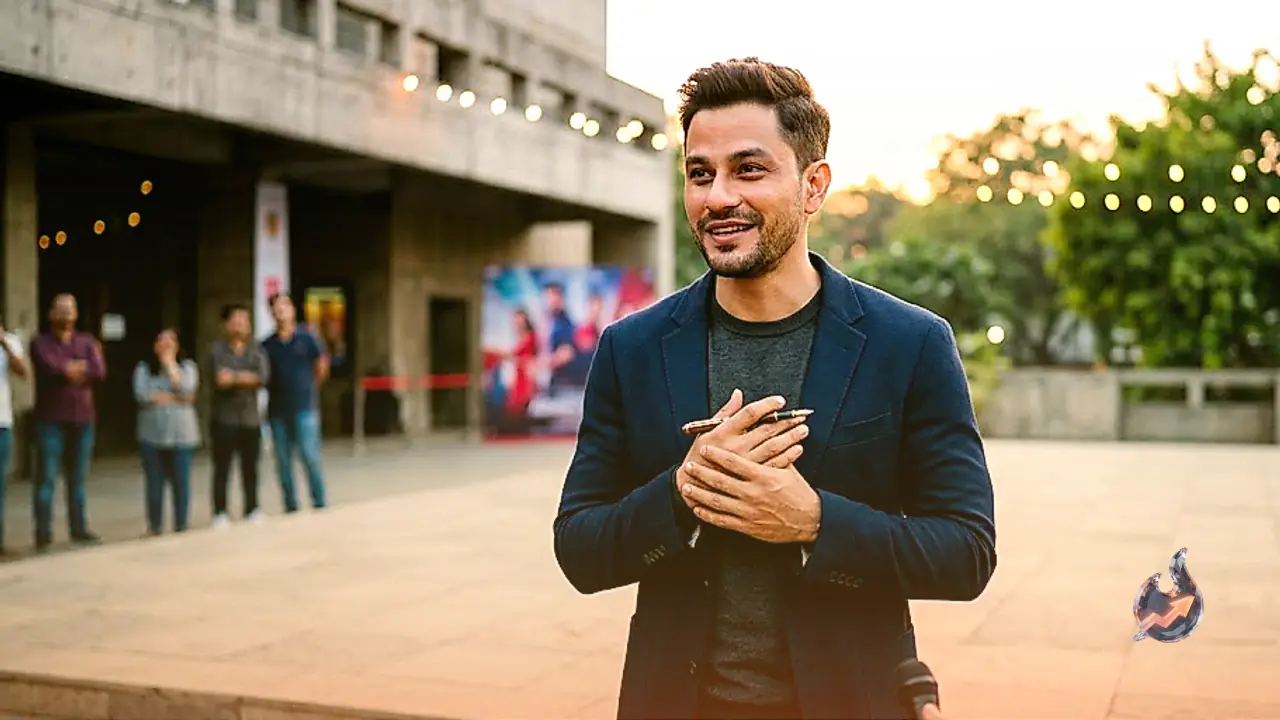
















Amid an escalating national debate surrounding India's reservation system, a video posted by social media influencer Milind Chandwani, who is the husband of actress Avika Gor, has gained widespread attention online. As an alumnus of the prestigious Indian Institute of Technology (IIT) and Indian Institute of Management (IIM), Chandwani shared a poignant personal memory from his higher education days to highlight the complexities and real-world impact of current affirmative action policies.
The 2013 Experience: 98.5 Percentile vs 58 Percentile
In the video, Milind Chandwani recounted a specific incident dating back to 2013 during his college years. He recalled scoring a high percentile of 98.5 percent in competitive admissions but failing to secure call letters for interviews from the IIMs. Conversely, a fellow student who scored a 58 percent received interview calls from IIM. Chandwani noted that both he and his friend belonged to middle class family backgrounds, and his friend did not genuinely require affirmative assistance. However, because the institutional mechanism existed, his peer availed of the reservation benefit.
Reflecting on that period, Chandwani admitted feeling deeply distressed by the stark disparity. Scoring 98.5 percent without receiving an interview call left him questioning the fairness and structure of the reservation framework at that point in his life.
Perspective Shift Through Teach For India
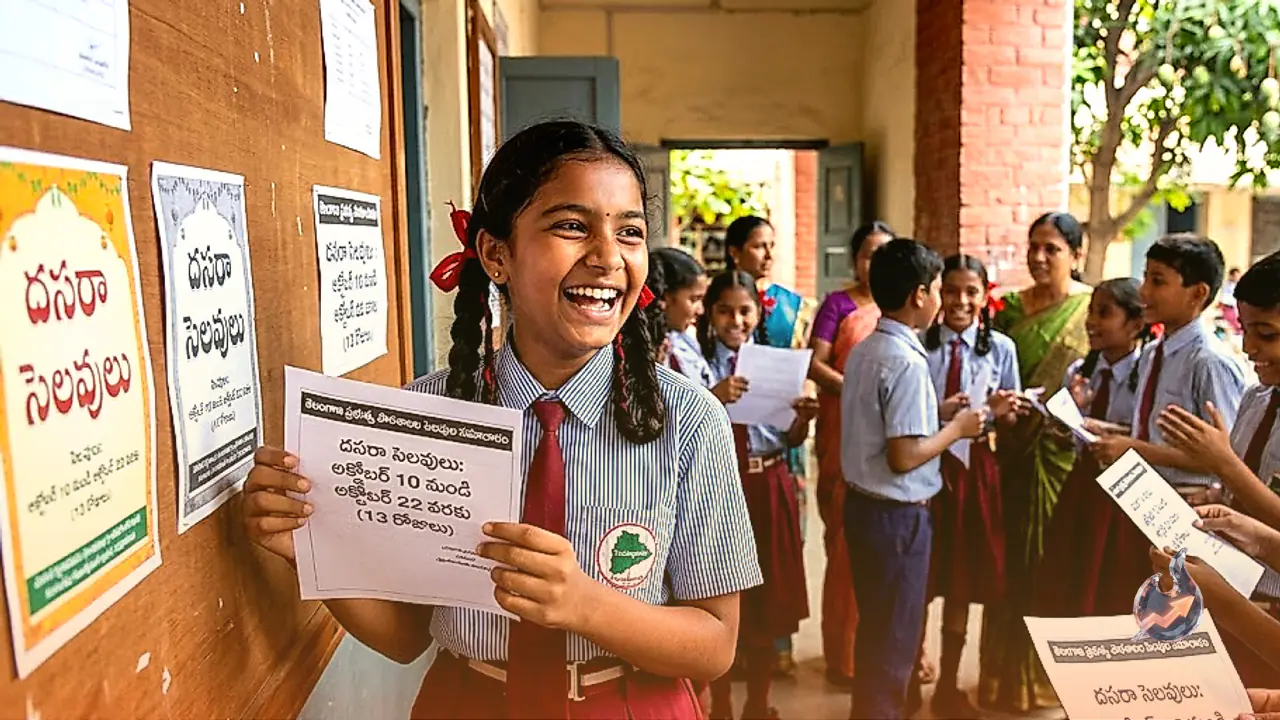
Chandwani explained that his initial perspective underwent a significant transformation later in his career. His mindset changed after he associated himself with the organization 'Teach For India' and began teaching students in government schools. Working at the grassroots level allowed him to observe that children from underprivileged sections, who genuinely need reservation the most, often lack even basic awareness about how to access or utilize these constitutional benefits.
He emphasized that he does not hold the view that every individual utilizing reservation is without genuine need. On the contrary, numerous individuals across the country face severe social and economic disadvantages and truly rely on reservation support.
Advocating Equal Opportunity and Quality Education
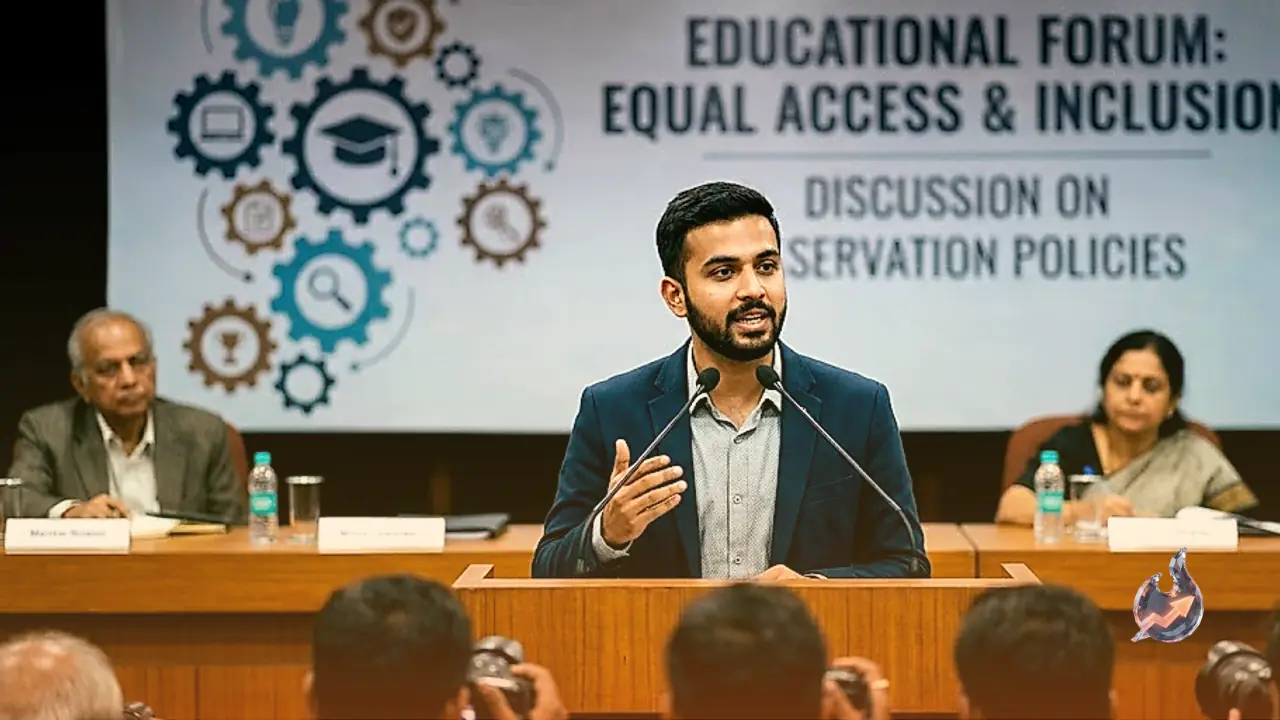
Rather than taking a rigid stance for or against caste-based reservation, Chandwani focused on the prerequisite conditions necessary before any policy changes are considered. He stated that he remains neutral on whether caste-based reservation should be supported or opposed outright. However, he argued that if society or the government ever intends to phase out the system, equal opportunities and quality education must first be guaranteed to every child from low income backgrounds.
According to Chandwani, ensuring foundational educational equity is essential so that underprivileged students can compete on an equal footing in competitive examinations and the modern job market. Only after establishing such a baseline of equal preparation can any conversation about dismantling the reservation system truly begin.
Context of the Trending 'Reservation Hatao' Campaign
Chandwani's video has surfaced at a moment when the 'Reservation Hatao Andolan' campaign is trending heavily across social media platforms. Users participating in the online movement are actively demanding structural reforms and modifications to India's existing quota system. The campaign has sparked intense public discussion, reflecting sharply divided perspectives nationwide. While one section advocates for immediate policy revisions, another section maintains that reservation remains indispensable until underlying socio-economic inequalities are completely eliminated.