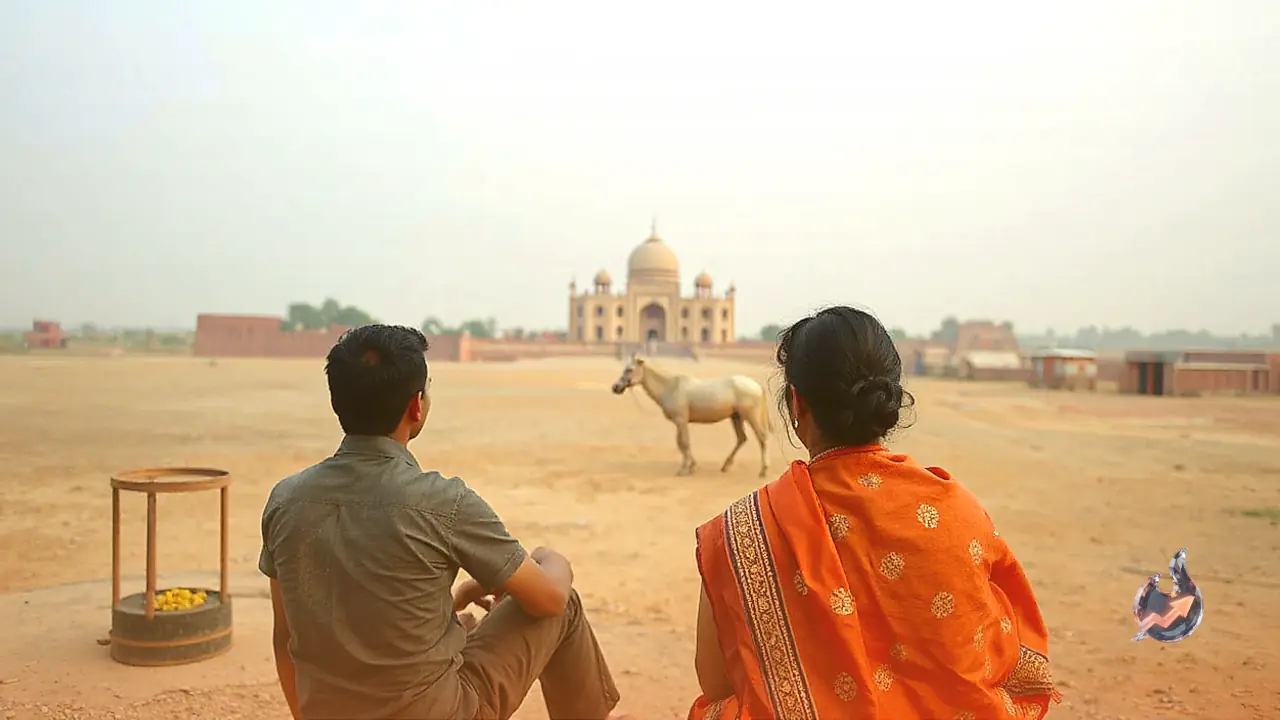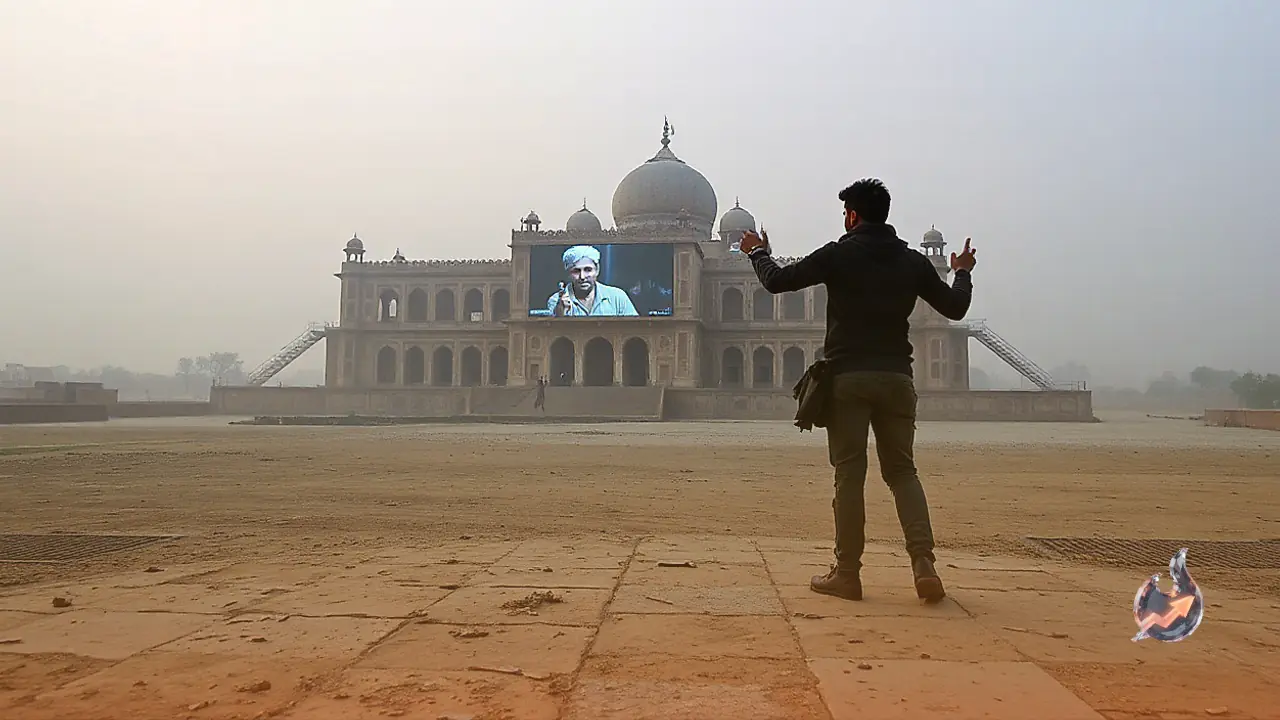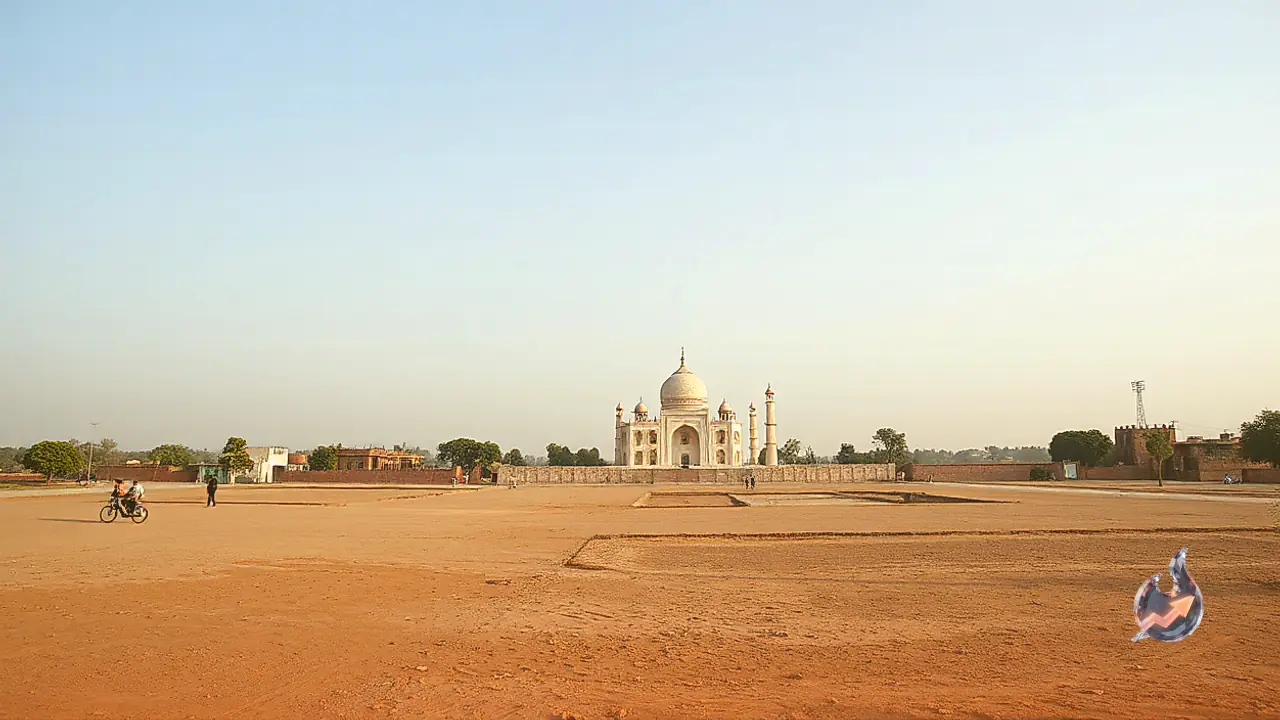
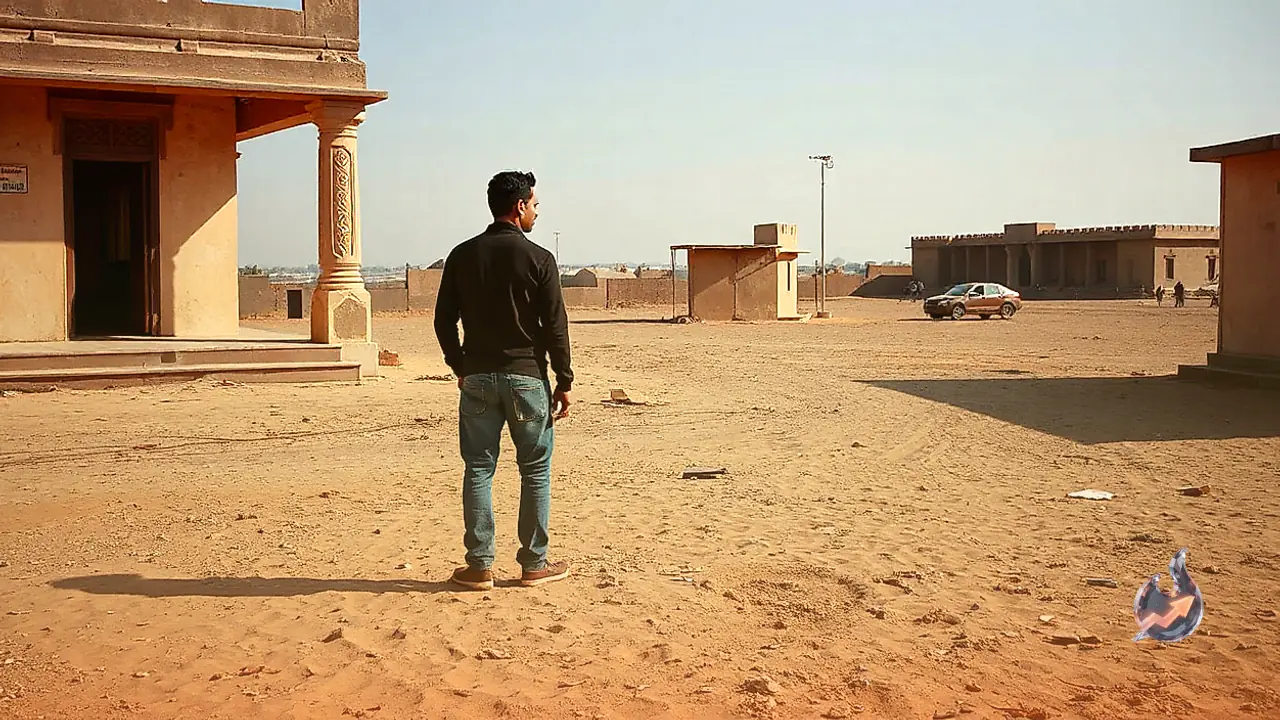














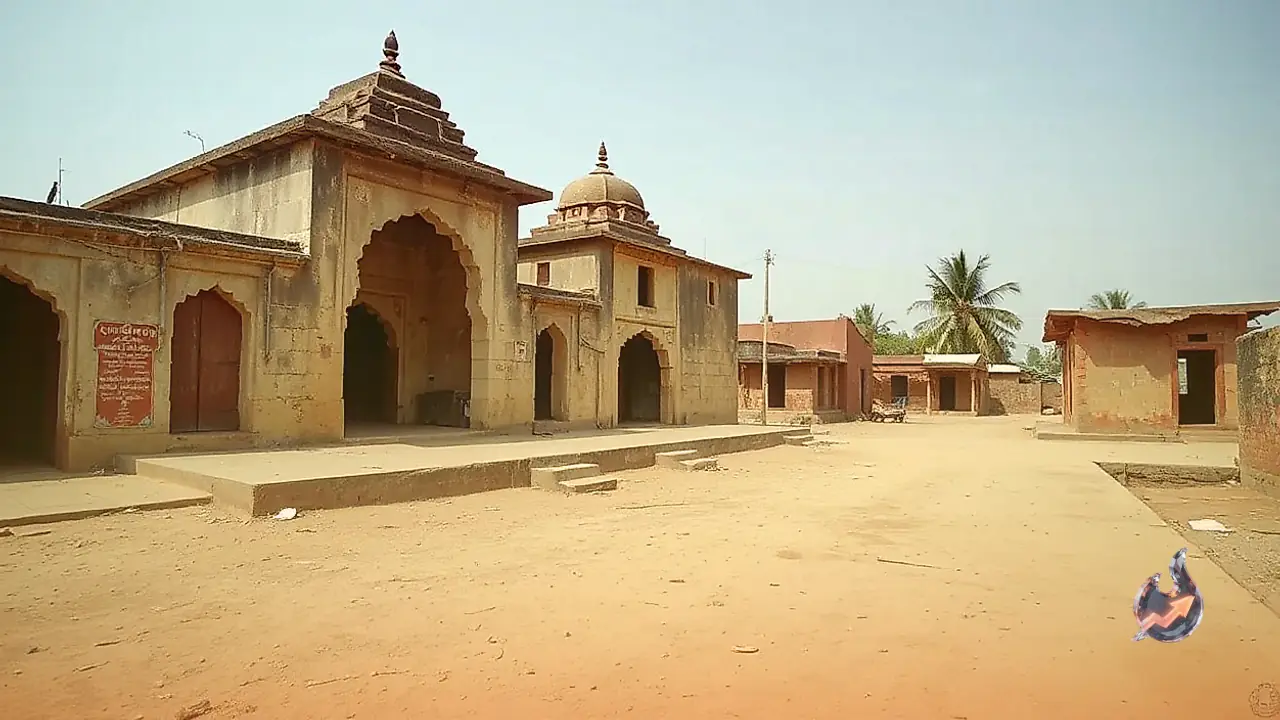

Cinema has a unique ability to transport audiences into bygone eras with environments that look entirely authentic on screen. When viewers witness grand fortresses, centuries old shrines, and weathered stone huts in movie halls, it is hard to imagine that these towering historical structures do not exist in reality. Recent behind the scenes details and glimpses from the sets of the Telugu film Ranabali have highlighted the remarkable craftsmanship of production designers, showing how visual illusions are brought to life for the camera.
A Cement Base Supporting Iron and POP Structures
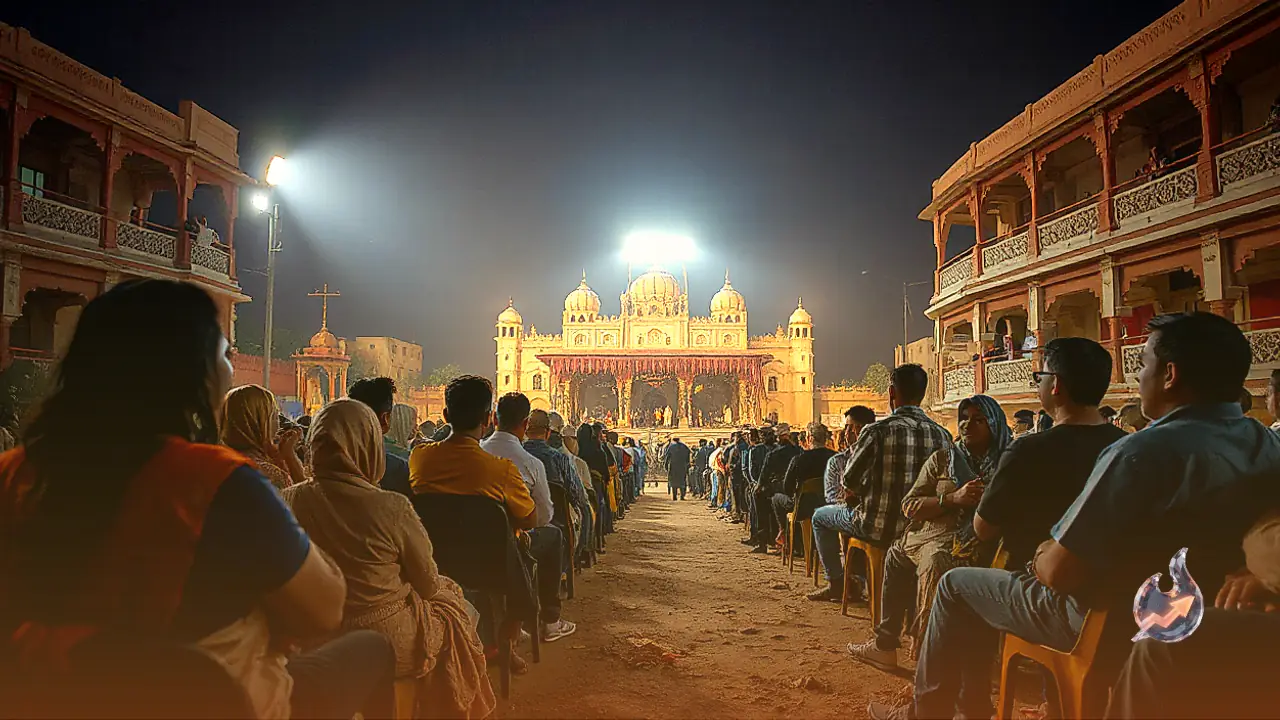
At the center of the film's backdrop stands an enormous temple depicted as the sacred shrine of Bhadramallanna Swamy. To anyone watching the sequence, the complex resembles an ancient temple carved out of solid rock many centuries ago. The practical reality behind this set piece is quite different. To keep the massive installation structurally secure, art directors built only the bottom basement using genuine cement. Everything erected above that foundational base, including intricate pillars, elaborate sculptures, and decorative ornamentation, was sculpted using plaster of Paris supported by rigid iron frameworks.
Hollow Fibre Walls Disguised as Heavy Boulders
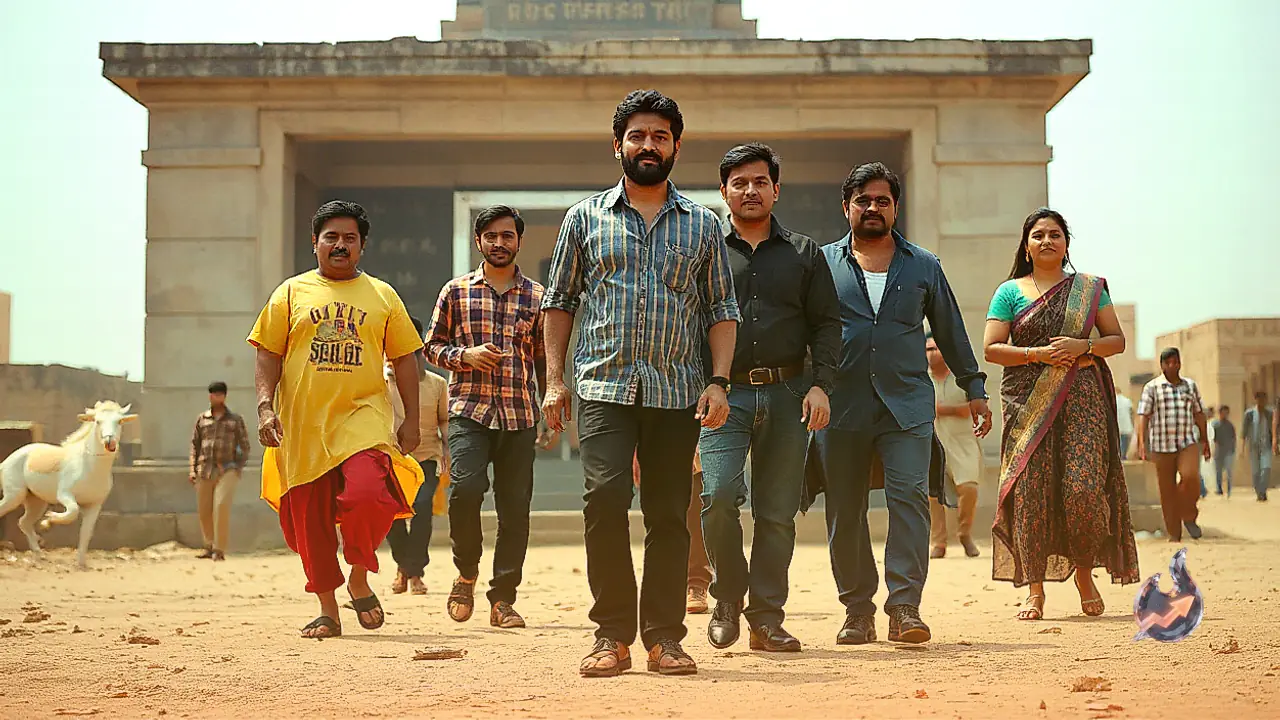
Beyond the primary shrine, the surrounding village landscape includes a collection of rustic huts that appear rugged and aged. From the exterior, these walls look as though they were assembled with heavy natural rocks and stones stacked together over generations. Up close, however, the construction reveals hollow dummy shells made from fibre and plaster of Paris. The production crew applied specialized paint and surface texturing techniques with such precision that under cinematic lenses and lighting, these lightweight dummy surfaces look indistinguishable from weathered stone.
Transforming Empty Ground into a Complete Cinematic World
To flesh out the historical setting and give depth to every shot, the art department populated the compound with several large scale props. These include massive wooden chariots, a traditional village water well, sentry mannequins, and towering demon figures sculpted for dramatic effect. While select functional props on set were authentic to maintain practical realism during filming, many of the complex architectural elements were fabricated purely as hollow dummies. This filmmaking approach illustrates how skilled art direction, clever engineering, and precise painting can transform vacant open land into a sprawling historical world.