




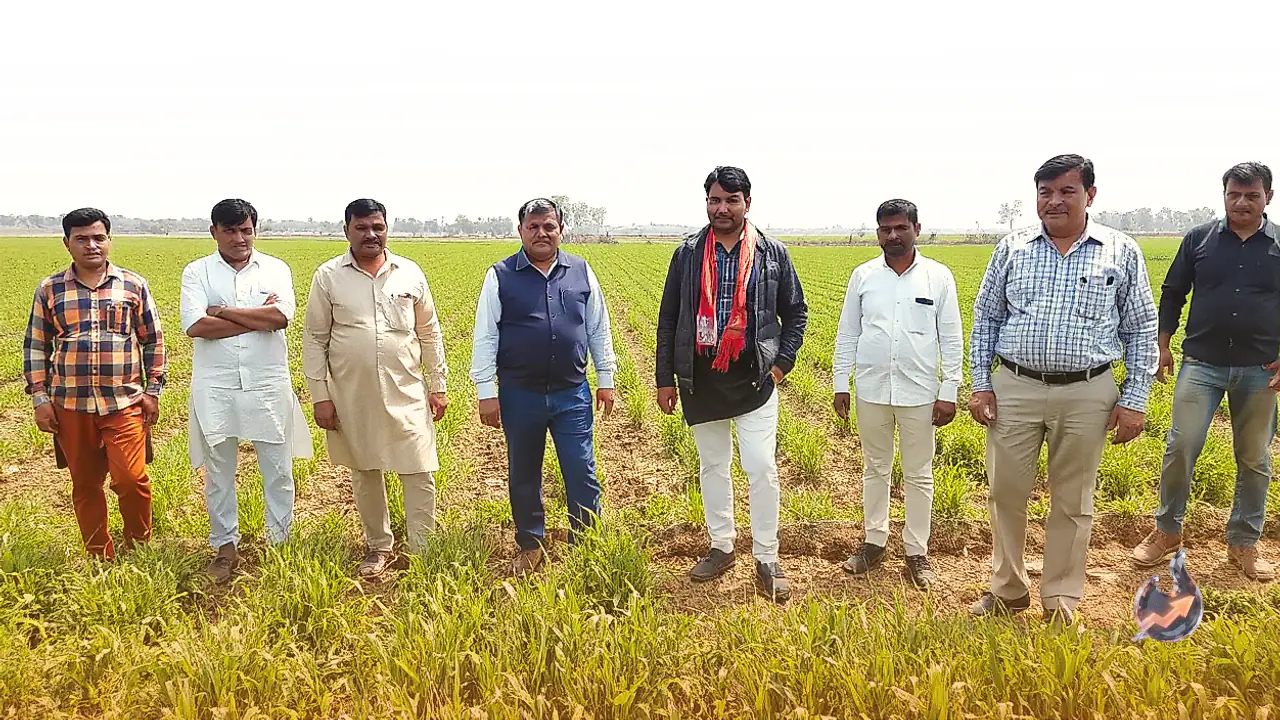


















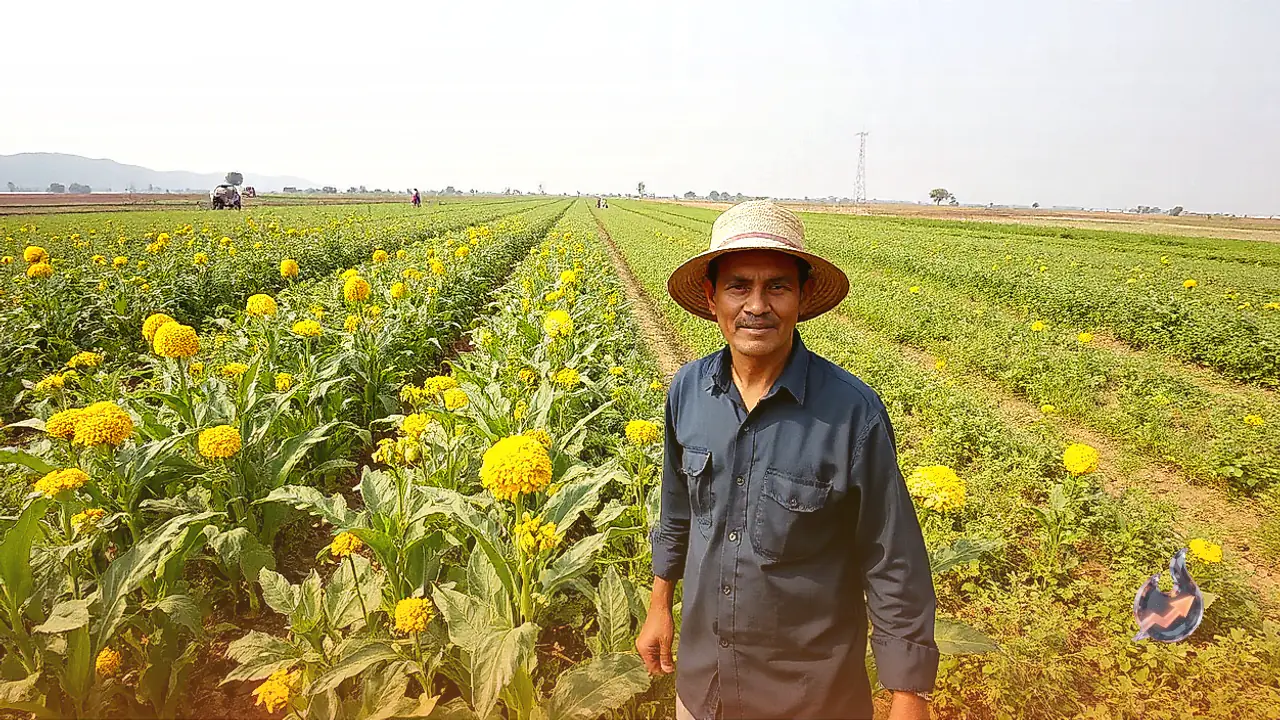

The sowing season for Rabi crops has officially commenced, and it is a common practice for many people to sow mustard alongside wheat. However, the ideal time for sowing mustard actually precedes wheat planting. If you intend to cultivate mustard and wish to extract a higher volume of oil from your harvest, adopting the right agricultural methods is essential. Implementing these proper techniques ensures that your mustard crop yields more oil and better overall results. Let us explore which specific varieties are recommended for sowing and what important factors must be kept in mind during the plantation process.
Choose These Three Varieties for Maximum Yield
Agricultural experts, including Alok Kumar Maurya, note that farmers seeking the highest possible yield and maximum oil content from their mustard crops should opt for three specific varieties: 1666, 4546, and 1015. These three particular mustard strains are known to deliver the highest crop production alongside an exceptional volume of oil upon extraction. These premium seed varieties are generally available in the market at a rate of roughly 1200 rupees per kilo. Selecting these superior seeds allows growers to significantly enhance their agricultural productivity.
Alternative Varieties and Market Prices
Maurya explains that there are also other seed varieties available in the market priced between 600 rupees and 1100 rupees per kilo. Among these, options such as the Jorawar and Dhakad varieties from the company Vizugudi, along with Crystal company's 5222 mustard variety, are recognized for high yields. Cultivating these strains can also help boost production volumes at the time of crushing. However, simply scattering mustard seeds across the field and ploughing over them, as is frequently done, fails to yield optimal results and often leads to lower oil extraction rates during processing.
Proper Irrigation and Fertilizer Management
To ensure that the mustard yields a high concentration of oil during crushing, farmers should apply sulphur and DAP fertilizer at the time of sowing. Furthermore, irrigation of the mustard field should be carried out exactly 20 days after sowing. Following the irrigation, applying proper nutrients along with 2 kilos of sulphur per bigha helps strengthen the crop. Adopting this systematic approach ensures robust plant growth, significantly higher production levels, and an increased output of oil during processing.