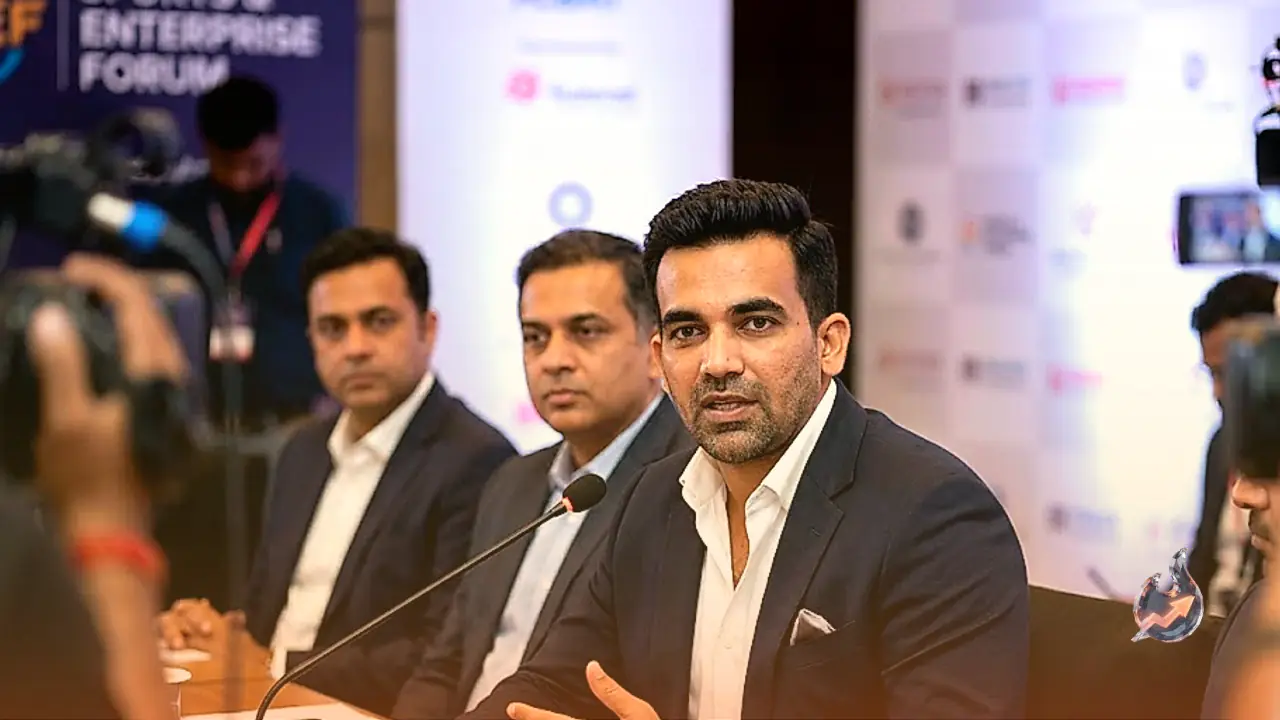




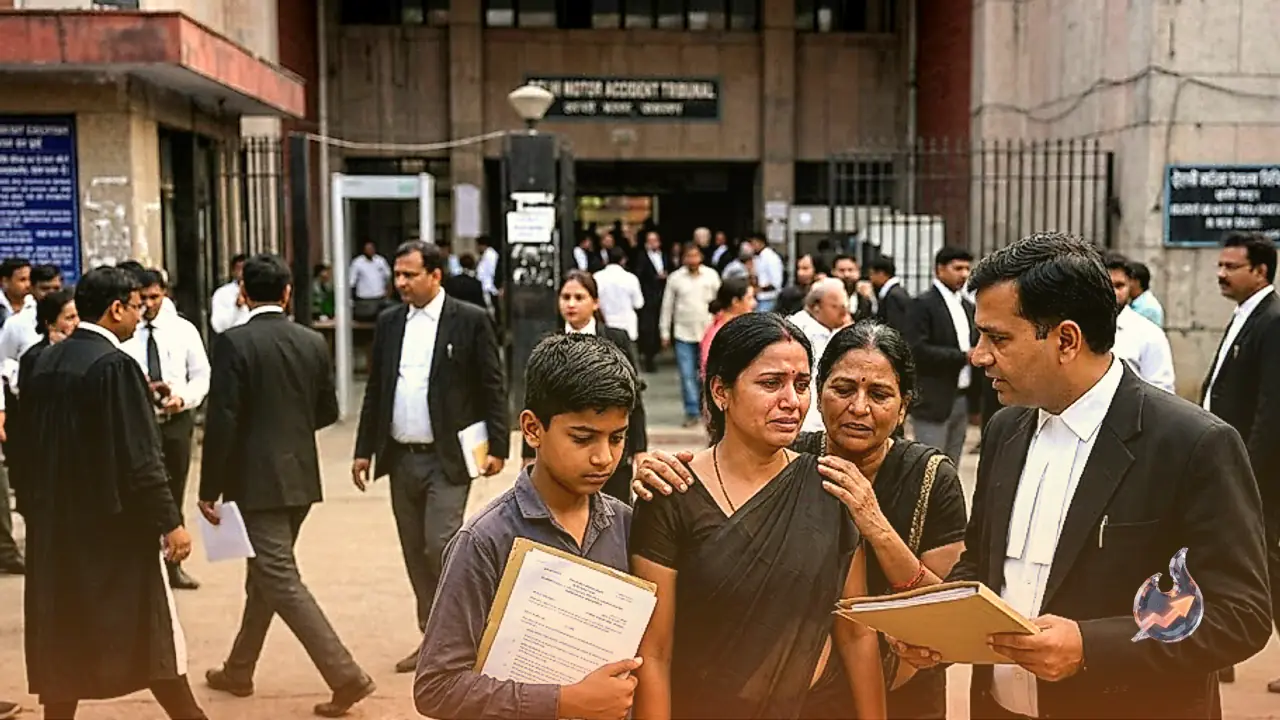














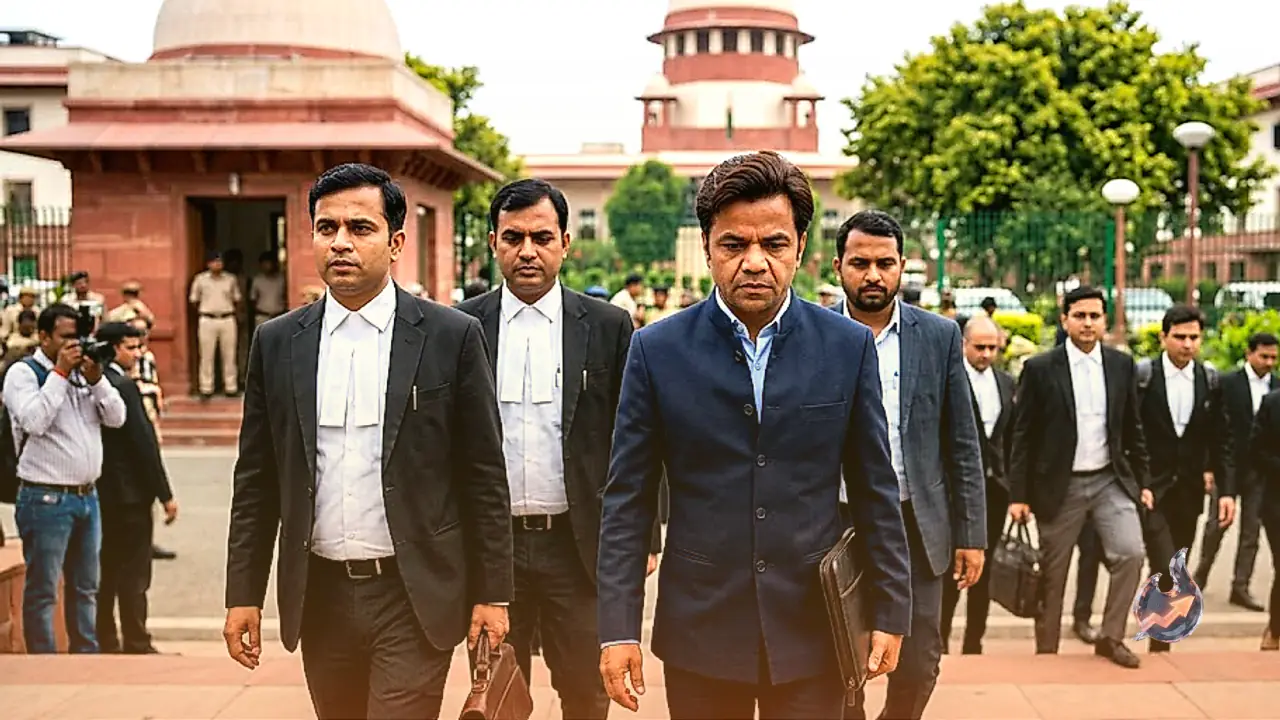

Actor Rajpal Yadav faced sharp judicial scrutiny before the Supreme Court on Thursday during the hearing of seven interconnected cheque bounce proceedings initiated against him. Although a demand draft amounting to Rs 1.15 crore had been prepared in compliance with earlier directions, his counsel failed to submit the instrument to the designated registry branch. The apex court took strong exception to this procedural lapse, observing that offering eleventh-hour excuses severely damages a litigant's credibility before the bench.
Judicial Bench Questions Handling of Registry Procedures
The matter was taken up by a three-judge bench comprising Chief Justice Surya Kant, Justice Joymalya Bagchi, and Justice V. Mohana, who adopted a stern view regarding the procedural oversight. Justice Joymalya Bagchi observed that if counsel is unaware of which registry section is tasked with receiving financial deposits, it raises serious professional concerns regarding the Advocate-on-Record. Taking note of the administrative lapse, the Chief Justice directed the counsel to proceed immediately and deposit the requisite sum without any further delay.
Concerns Raised Over Litigant Credibility and Missed Deadlines
During the courtroom exchanges, Justice V. Mohana expressed clear dissatisfaction with the delay, reminding the defense that an extension had already been granted until 7 PM the previous evening. The bench noted that presenting procedural hurdles following the expiration of an agreed deadline reflects poorly on the conduct of the proceedings. The judge remarked that resorting to such last-minute contentions substantially undermines the litigant's standing and trustworthiness in the eyes of the judiciary.
The Two-Crore Resolution Plan and Ancestral Land Deal
The Supreme Court had previously granted Yadav an opportunity to deposit a consolidated sum of Rs 2 crore to address the pending litigation. During the earlier hearing conducted on October 7, the defense had submitted that Rs 1.15 crore had already been arranged, while the remaining balance of Rs 85 lakh would be remitted directly by an individual purchasing the actor's ancestral property. The prospective buyer was also present in court during that session, prompting the bench to grant indulgence and allocate time to complete the financial arrangement.
Genesis of the Dispute in Film Ata Pata Laapata
The roots of the protracted dispute date back to 2010 in connection with the production of the feature film Ata Pata Laapata. To fund the project, a corporate entity tied to Yadav and his wife had secured approximately Rs 5 crore from Murli Projects Private Limited. Following the financial arrangements surrounding the cinematic venture, sharp disagreements arose over the repayment schedule. The complainant company subsequently alleged that multiple cheques issued towards discharging the financial liabilities bounced upon presentation, prompting the filing of seven separate legal cases.