


















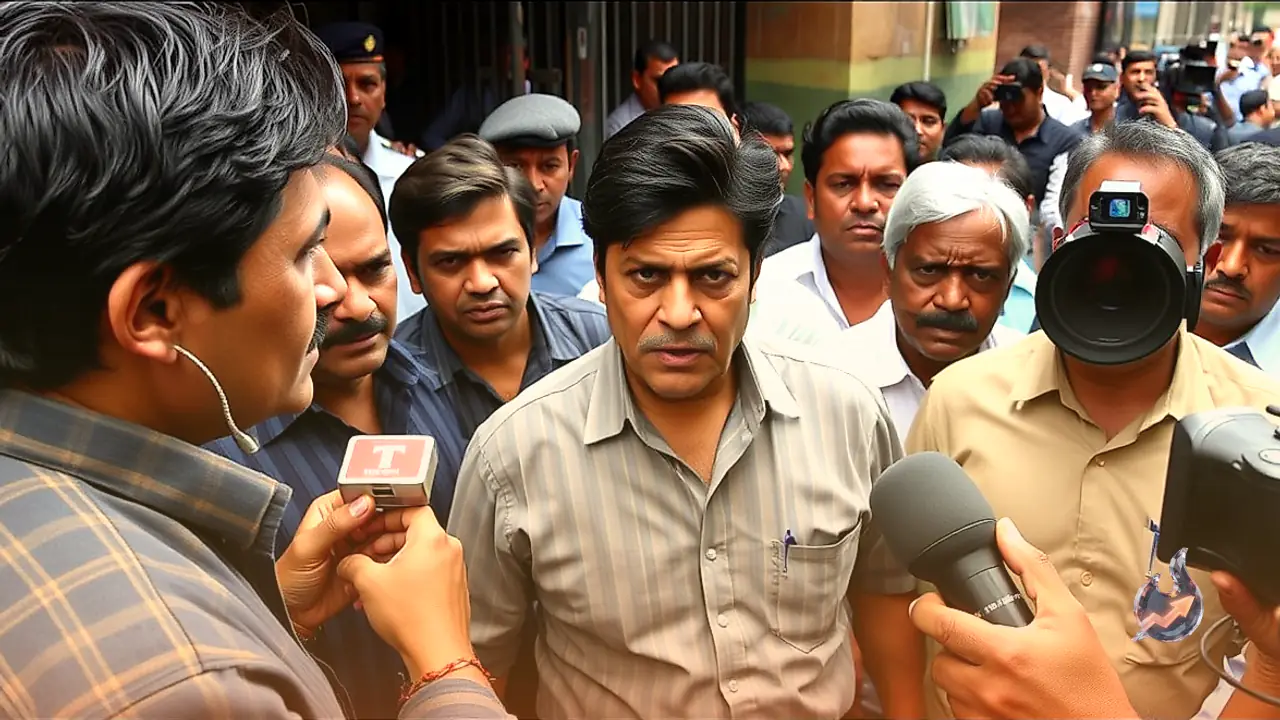

The bond between cinematic figures Shah Rukh Khan and Nana Patekar extended well past shared screen space, defined by a genuine camaraderie built over casual games of carrom and shared cups of tea. While their professional paths crossed memorably on film sets, their personal dynamic was cemented during an intense crisis in the early 1990s. When a heated dispute with a journalist resulted in Khan being taken into police custody, it was Patekar who stepped up to navigate the legal process and secure his release.
A Troubling Magazine Article and Domestic Strain
During the early phase of his film career, Shah Rukh Khan was working on the production of the film Kabhi Haan Kabhi Naa while simultaneously adjusting to married life after his wedding to Gauri Khan. Trouble arose when a film magazine published an article linking him romantically with a co-star. The unsubstantiated piece caused severe distress within his household, with Khan later recalling at a public forum how deeply the unfounded claims had affected Gauri Khan's peace of mind.
The Confrontation Involving Traditional Weapons
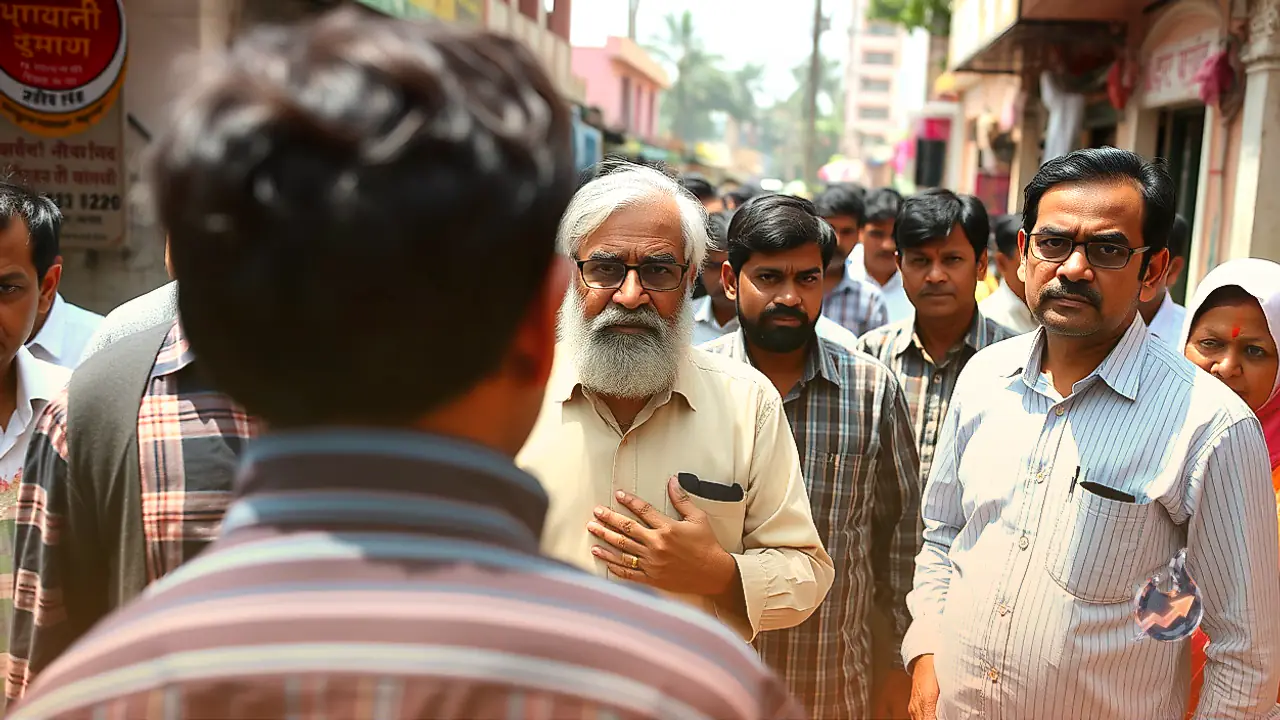
Upset by the domestic distress caused by the report, Khan reached out to the writer responsible for the story. The journalist dismissed the article as a harmless joke, an explanation that failed to pacify the actor. Intent on addressing the issue directly, Khan visited the location. He carried a traditional blade given to him by his father-in-law, an army officer who had presented it as part of traditional Punjabi wedding customs. During the confrontation, tensions flared as Khan threatened those present, and an individual sustained injuries from a khukri.
Set Arrest and the Custodial Phone Call
The altercation quickly triggered law enforcement action. Police personnel arrived directly on the sets of Kabhi Haan Kabhi Naa to take Khan into custody. Because the detention occurred after 6 PM, immediate bail could not be processed under routine procedures, forcing him to remain in the lockup. Granted a standard telephone call while in detention, Khan bypassed reaching out to legal counsel or relatives. Instead, he dialed the very person involved in the dispute, reiterating his fierce grievances and warning of severe consequences once he secured his freedom.
Nana Patekar Steps In to Secure Release
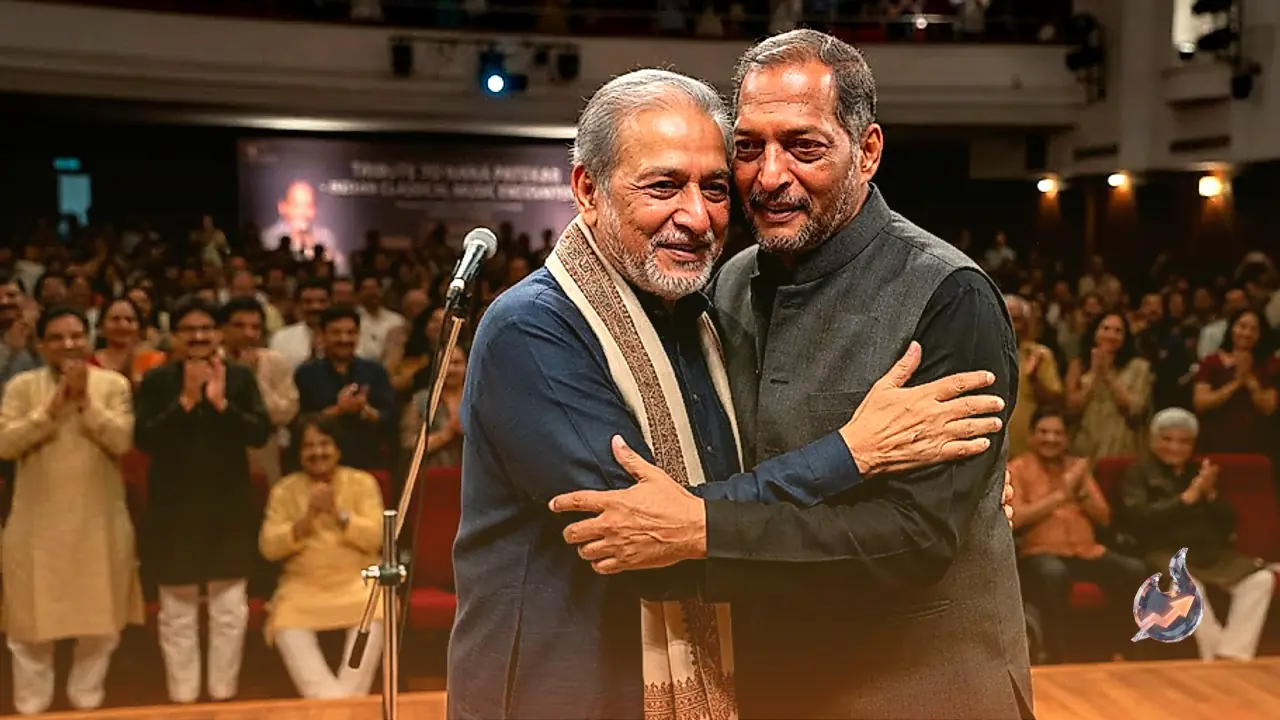
Recognizing the intense toll the ordeal was taking on his wife, Khan eventually chose to de-escalate the confrontation. At that crucial juncture, Nana Patekar intervened to assist with the formalities required to secure his release from jail. The two performers had previously collaborated on director Aziz Mirza's 1992 film Raju Ban Gaya Gentleman, an association that had blossomed into a lasting mutual respect. In a subsequent media conversation, Patekar warmly noted that despite attaining massive global fame over the decades, Khan never lost his warmth or humility when greeting him.
A Legendary Cinematic and Social Legacy
Nana Patekar passed away at the age of 75 at his residence in Goa following a cardiac arrest. Over a distinguished career spanning theatre, Hindi cinema, and Marathi films, he debuted in Gaman before delivering acclaimed performances in Salaam Bombay, Parinda, Tirangaa, and Krantiveer. Beyond his artistic excellence, Patekar devoted significant time and resources to working for the welfare of farmers. His departure marks the end of an era in Indian entertainment, leaving behind an artistic legacy deeply respected by peers and audiences alike.