




















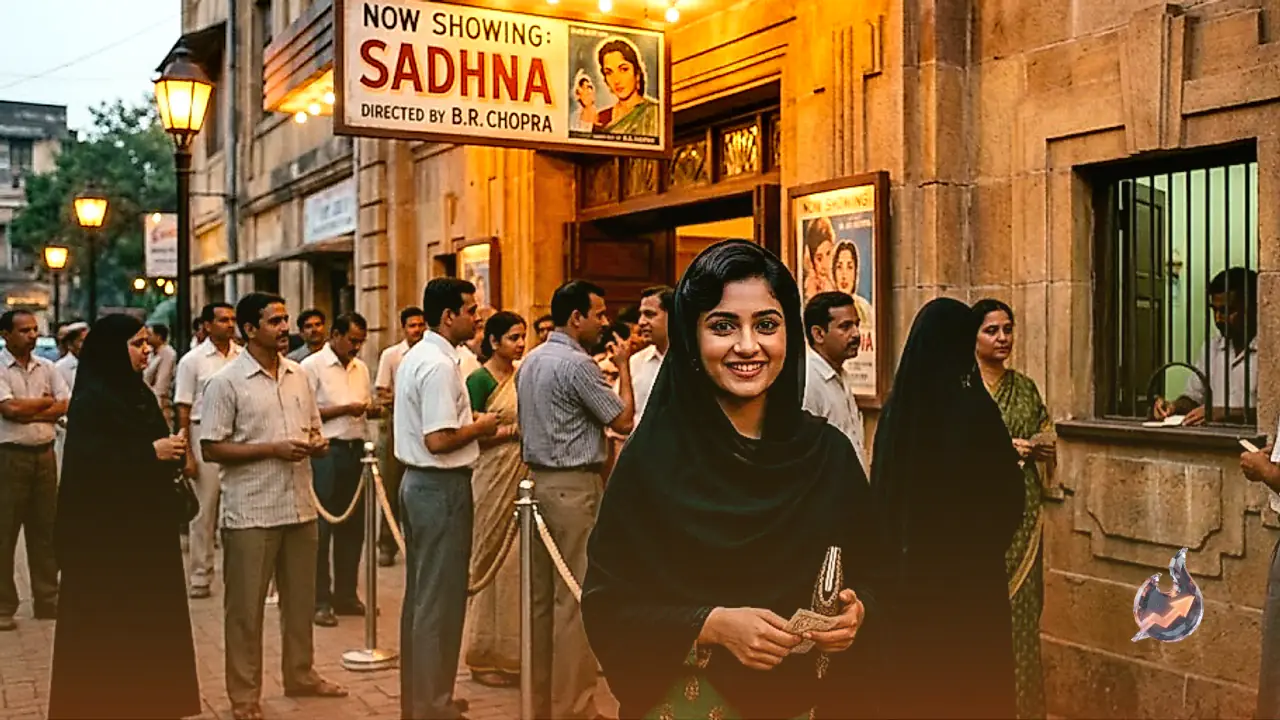

The history of Indian cinema holds many notable projects whose box office journeys remain fascinating to recall decades later. One such remarkable chapter involves the classic motion picture Sadhna, directed by BR Chopra, which featured the celebrated lead pairing of Vaijayanthimala and Sunil Dutt. The production enjoyed an impressive theatrical run, lasting for 25 weeks on the big screen. Its musical score was composed by N. Datta, while the lyrical work was handled by the renowned poet Sahir Ludhianvi. However, bringing this vision to life was fraught with initial hesitation, as various distributors had strongly advised the filmmaker against pursuing the project due to its delicate subject matter revolving around prostitution.
The Creation of a Timeless Musical Piece
Previous ventures centered on similar themes, such as Purnima, Nartaki, and Raj Nartaki, had failed to make a strong impression at the commercial box office. Despite those warnings, BR Chopra refused to alter his creative direction. Once the script reached its final stage, he approached Sahir Ludhianvi to compose the lyrics. Upon listening to the narrative outline, the lyricist grew deeply invested in the premise. The filmmaker provided specific situational requirements for a sequence, prompting Sahir Ludhianvi to share a composition he had already written previously. Upon hearing those verses, the director felt immensely gratified, realizing the piece fit the narrative effortlessly. That process resulted in the timeless creation Aurat Ne Janam Diya Mardo Ko, delivered through the iconic vocals of Lata Mangeshkar.
Secret Theater Visits by Female Audiences
During a past interview, BR Chopra recalled a striking anecdote involving the reception of this particular track. After the picture hit the silver screen and began drawing positive public attention, the filmmaker decided to visit the Maratha Mandir cinema hall to observe audience reactions firsthand. While the famous track played on screen, he noticed several women seated around him wearing burqas, their eyes filled with tears. Initially, the director assumed it was merely a coincidence and planned another visit later to verify if the pattern persisted.
Overcoming Social Hesitation Through Art
When BR Chopra returned to the same theater after some time, he witnessed the exact same phenomenon unfold again. Women were arriving at the cinema hall in disguises, drawn powerfully to the narrative despite societal stigmas surrounding the plot. The subject matter itself caused initial reluctance, yet the magnetic pull of the storytelling and music compelled viewers to seek it out covertly. The unfolding verses served as an outlet for unspoken grief, deeply resonating with women who found their own silent struggles mirrored on the silver screen.
A Powerful and Memorable Climax
The narrative culminated in an emotionally charged resolution that left lasting impressions on theatergoers. The plot detailed a former courtesan attempting to integrate into a respectable domestic life, only for hostile circumstances to make her feel that her true place remained in the brothel. As she prepared to return to her past, a poignant confrontation unfolded. In the climax, the mother-in-law tells the protagonist that she entered the household as a daughter-in-law and will not be permitted to leave it as a fallen woman. This strong narrative finish cemented the project's enduring impact on classic cinema history.