

















Two prominent critics of Russia's war in Ukraine have run into fresh trouble with the authorities within hours of each other, underlining how narrow the space for dissent has become inside the country. Blogger Ilya Remeslo, who spent years defending Vladimir Putin before publicly breaking with him, has been placed in pre-trial detention on suspicion of spreading false information about the military. Separately, politician Boris Nadezhdin has been convicted on a charge that effectively shuts him out of September's parliamentary elections, adding to a string of legal troubles he has faced in recent days.
A politician pushed off the ballot
A court found Nadezhdin guilty of "displaying extremist symbols," a ruling that strips him of the right to collect the signatures he needs to register as a candidate for the September parliamentary vote. He was fined 1,000 roubles (£9.50; $13) and says he intends to appeal the decision.
The conviction is the latest in a rapid sequence of official moves against him. He was declared a "foreign agent" just last week, then detained on Monday over a video he had reposted back in 2023 that briefly showed an image of Alexei Navalny. He has also been barred from leaving Russia. Being labelled a foreign agent would most likely have been enough on its own to keep him off the ballot, but a legal loophole meant he could still have gone on collecting signatures right up until this new "extremist symbols" conviction closed off that route entirely.
Nadezhdin, 63, appeared before a court in his hometown of Dolgoprudny, just north of Moscow, on Friday. He lives with high blood pressure and diabetes, and briefly fell during the hearing, needing medical attention. He denied the charges against him, telling the court that their real purpose was to silence him and stop him running for the Duma, Russia's parliament. He also said he would not be able to pay the fine in any case, because all of his bank accounts have been frozen.
The signatures Nadezhdin can no longer legally gather are a mandatory step for any independent candidate seeking a place on the Duma ballot, meaning the conviction has, in practice, ended his prospects for September even before any appeal is heard.
From presidential hopeful to pro-peace outsider
Nadezhdin first became a national figure two years ago, when he attempted to run for the presidency on an anti-war platform. That bid collapsed after electoral authorities ruled that the signatures he had submitted to qualify were flawed, and he was barred from the race. With genuine opposition politicians now almost entirely absent from Russian public life, the former MP has since cast himself less as an opposition figure and more as a pro-peace voice working within the system, a positioning that has not spared him from the state's growing pressure.
The blogger who turned on Putin
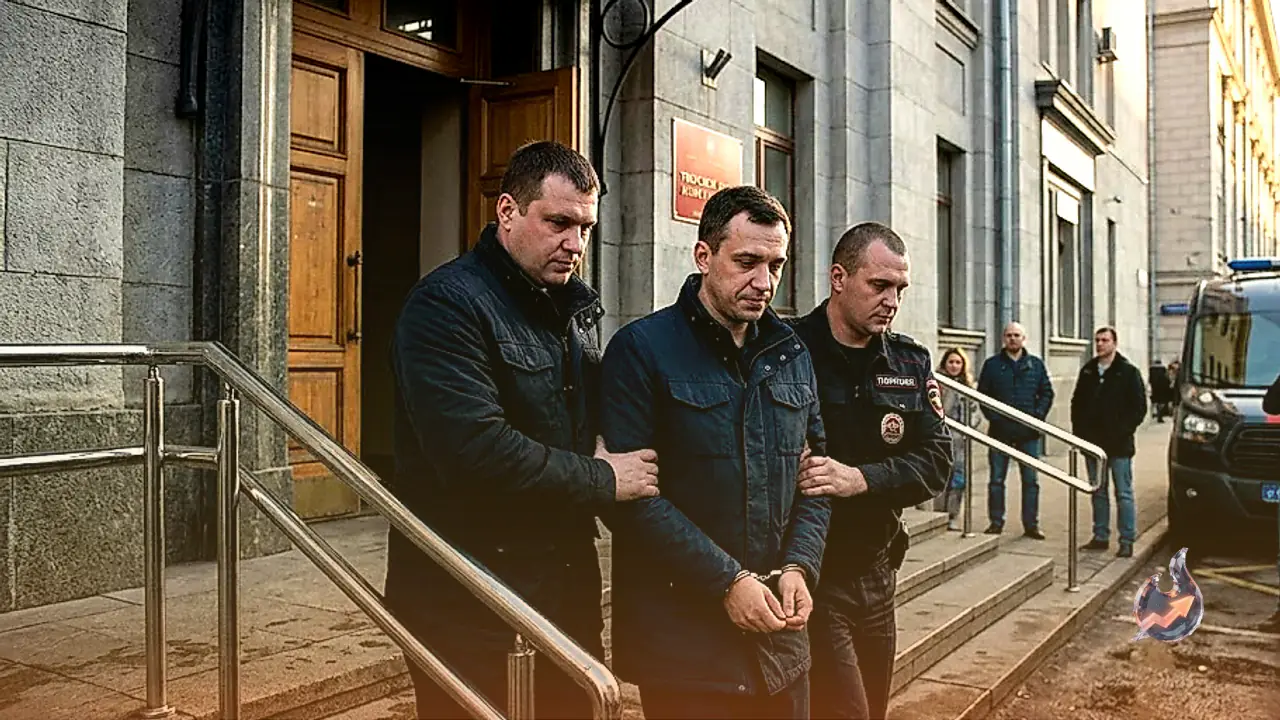
Hours after Nadezhdin's hearing, blogger Ilya Remeslo was brought before a court in Moscow late on Friday and remanded in pre-trial detention for two months, appearing inside a defendant's cage. His lawyer said he had been detained earlier the same day in his home city of St Petersburg before being taken to the capital.
Remeslo is accused of disseminating false information about the military, a charge he says is tied directly to a post he published on the Telegram messaging app in March 2026, titled Five reasons why I stopped supporting Vladimir Putin. The post marked a dramatic reversal: for years, Remeslo had been a staunch defender of Putin's war and had denounced the opposition, Navalny in particular, so his sudden turn against the president, in which he called Putin a "war criminal and thief" and said he should resign, took many in Russia by surprise.
Around the same time, Remeslo also criticised the damage the war has done to Russia's economy and condemned the government's tightening restrictions on internet and media freedom. He says he was subsequently confined to a psychiatric hospital for a month, and after he was discharged, he alleged that he had been sent there against his will.
A warning posted the night before his arrest
On Thursday, the day before he was detained, Remeslo said on Telegram that the situation was getting worse rapidly for Putin, pointing to what he called an energy crisis and worsening infighting among Russia's elite. His warning came against the backdrop of Ukraine's continuing campaign against Russian oil refineries and storage depots, strikes that have triggered fuel shortages in multiple regions, including Moscow itself.
Remeslo went further still, arguing that Putin's grip on power now looked fragile enough that even a small additional shock could tip him out of office, and just hours later he himself was detained.
Putin's approval numbers are sliding
Remeslo's claim lines up with two separate opinion polls that point to a real dip in Putin's popularity this month. The Public Opinion Foundation, known by its Russian acronym FOM, said Putin's approval rating had fallen to 66%, down five percentage points in the week to 12 July. The state-owned pollster VTsIOM recorded a smaller decline but still put his approval at 65.1%, the lowest figure it has recorded since Russia launched its full-scale invasion of Ukraine in February 2022.
What comes next
Both cases now head toward further legal proceedings. Nadezhdin has said he will appeal his conviction, though the ruling has already achieved its practical effect by removing his path onto the September ballot, and he remains barred from leaving Russia while facing the foreign agent designation. Remeslo, meanwhile, will spend the next two months in pre-trial detention as the investigation into the false-information allegation continues, with his case now moving through the courts in Moscow rather than his home city of St Petersburg.