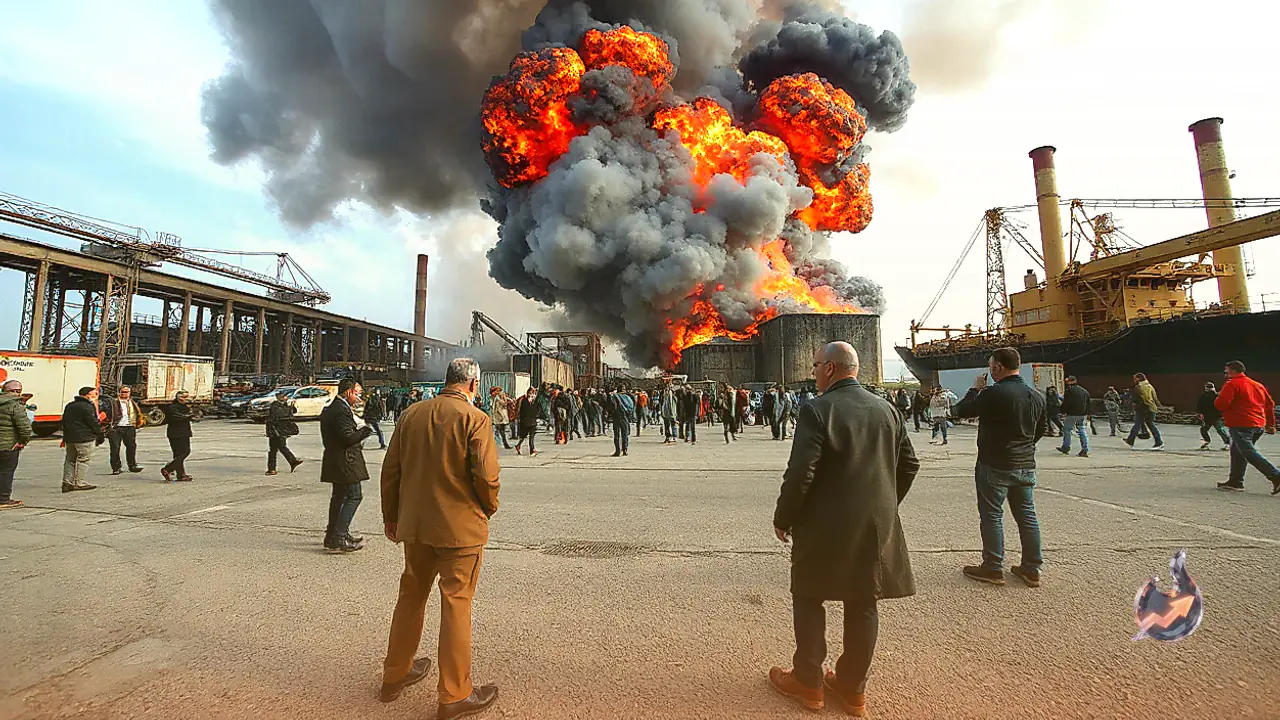
























Diplomatic efforts to halt the conflict in Ukraine have entered a new phase following a deadly Russian strike on a village in Zaporizhzhia last week, which resulted in the deaths of at least 40 people. As the country reels from the tragedy, senior officials from Moscow, Kyiv, and Washington have convened in Abu Dhabi for the first trilateral discussions since February, coinciding with the approaching fifth anniversary of Russia's full-scale invasion.
Renewed Trilateral Diplomacy in Abu Dhabi
The high-level talks feature prominent members of the US delegation, including Jared Kushner, Donald Trump's son-in-law, and peace envoy Steve Witkoff. Kushner stated that the core focus of these meetings is addressing the postwar security concerns of both warring nations. Writing on X, he emphasized that encouraging all involved parties to seriously contemplate the postwar landscape remains a vital component of the current diplomatic process.
Despite the resumption of dialogue, the core positions of Moscow and Kyiv regarding a permanent end to the hostilities remain wide apart. A primary point of contention centers on the eastern region of Donetsk, large portions of which are currently occupied by Russian forces. Moscow continues to demand that Ukraine relinquish the remaining pockets of Donetsk under its control, whereas Kyiv insists on freezing the existing contact line to safeguard territories it views as vital for its future security architecture.
While neither administration has publicly softened its stance on territorial demands, a US official speaking ahead of the summit noted that public postures may mask private developments. According to the official, both Moscow and Kyiv have exhibited a little bit of flexibility behind closed doors, although any lasting resolution will heavily depend on the establishment of a comprehensive post-war security architecture.
Security Architecture and European Inclusion
The US official cautioned that territorial disputes regarding Donetsk cannot be resolved in isolation from broader security arrangements. For Ukraine, an effective postwar security architecture must include reliable guarantees that international allies will intervene in the event of renewed aggression. Conversely, Russia maintains its long-standing strategic objective of rolling back NATO's presence in eastern Europe, a proposition that continues to cause deep apprehension among European capitals.
To bridge these gaps, proposed frameworks incorporate security consultations, crisis communication hotlines, and reciprocal de-escalation measures between the two sides. Officials have also floated the possibility of reactivating the NATO-Russia Council, which has remained largely dormant since 2022. The previous round of trilateral talks, held in Geneva in February, concluded without a breakthrough before Washington's diplomatic focus shifted toward the Middle East.
European leaders, largely sidelined during earlier phases of negotiations, have intensified pressure to secure a seat at the negotiating table, fearing that critical decisions regarding continental security would be made without their participation. European Commission President Ursula von der Leyen stressed that NATO allies and European Union members must be integrated into meaningful security discussions, a sentiment repeatedly echoed by Ukrainian President Volodymyr Zelensky.
Addressing these concerns, the US official indicated that Washington intends to transition toward a multilateral format that incorporates European nations, though acknowledging that Moscow harbors lingering resentment toward European involvement. Since the beginning of his second term, US President Donald Trump has spearheaded multiple diplomatic initiatives to end the conflict, though concrete successes have remained limited while his conciliatory gestures toward the Kremlin continue to unnerve European allies.
Sِkepticism and Ongoing Military Operations
Following a meeting in Washington with Kremlin envoy Kirill Dmitriev, Trump touted the prospect of a significant agreement involving the broader European continent. However, skepticism remains pervasive within Ukrainian political circles. Oleksandr Merezhko, head of the foreign affairs committee in the Ukrainian parliament, expressed doubts to the BBC, suggesting that Washington might pursue a hasty settlement at Ukraine's expense that Kyiv would inevitably reject.
Merezhko argued that Russian leadership lacks incentives to negotiate seriously while its military apparatus remains fully operational, asserting that heightened economic sanctions and deep-strike capabilities represent the only viable means to compel Moscow toward genuine diplomacy. He also criticized recent economic transactions, such as US purchases of Russian diesel, arguing they inadvertently sustain the Kremlin's war effort.
The delegations arriving in Abu Dhabi reflect high-level representation from both sides. Moscow's team includes Kremlin aide Vladimir Medinsky, Deputy Foreign Ministers Sergei Ryabkov and Mikhail Galuzin, intelligence chief Igor Kostyukov, and Army General Yury Zhigarlovsky. Kyiv has dispatched seasoned negotiators, including Foreign Intelligence Service head Rustem Umerov, presidential chief of staff Kyrylo Budanov, and MP Davyd Arakhamiya.
Even as discussions commence in Abu Dhabi, Russian bombardment targeting Ukrainian energy infrastructure and population centers persists, reinforcing fears in Kyiv that Moscow aims to dictate terms through military coercion. Concluding his remarks on the diplomatic outlook, Kushner urged realism, noting on X that the Abu Dhabi meetings are designed to build momentum toward subsequent negotiation phases rather than deliver an immediate comprehensive settlement.