























US President Donald Trump has publicly asserted that Russia and Ukraine have reached a mutual understanding to halt strikes on each other's energy infrastructure. Framing the arrangement as an immediate cessation of hostilities against utility targets, he nevertheless refrained from disclosing any operational details or written terms governing the truce. While Moscow offered no immediate verification or response to the claim, Kyiv signaled that it would theoretically endorse such a pause, even as official actions on the ground painted a vastly different picture within hours of the statement.
Missile and Drone Hits Shake Kyiv Following US Announcement
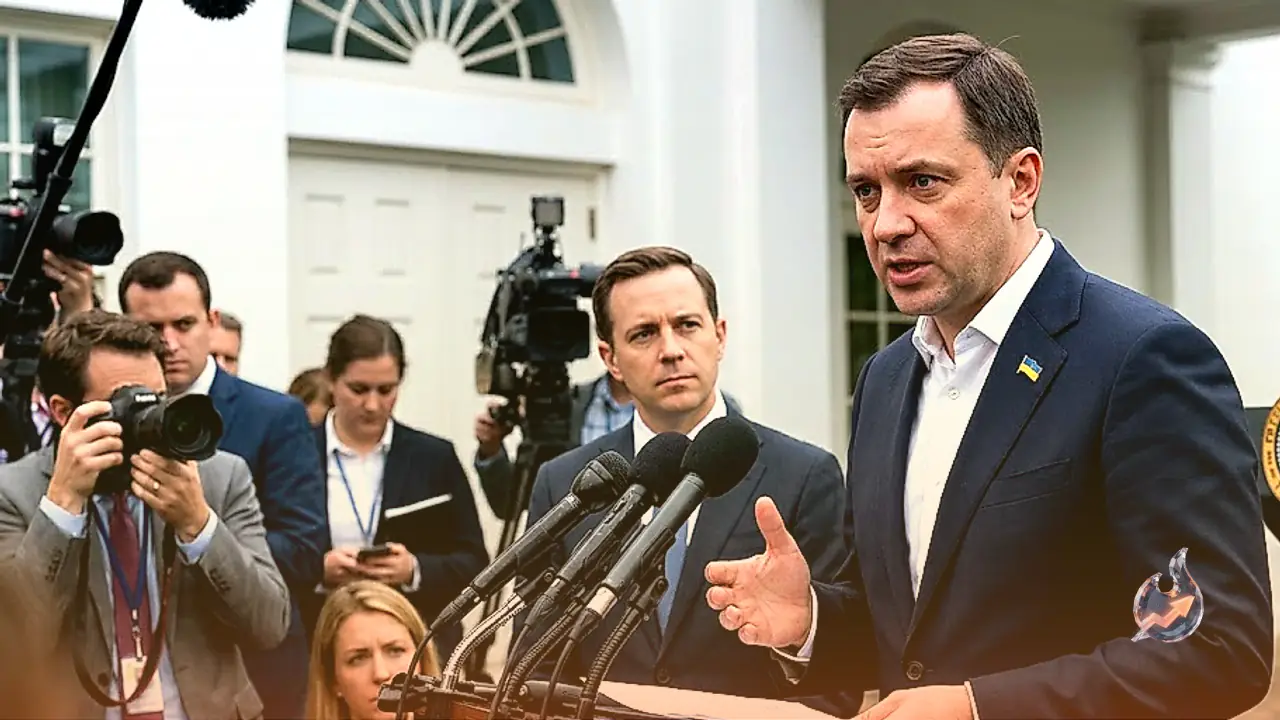
Ukrainian President Volodymyr Zelensky initially responded with bewilderment, informing news outlet Axios that the purported agreement was news to him. Taking to social media shortly afterward, Zelensky clarified that Ukrainian officials were actively awaiting concrete specifics regarding the negotiations between Washington and Moscow. He stressed that Kyiv remains prepared to refrain from targeting Russian energy facilities, provided that the Russian Federation demonstrates an identical commitment and that the US president secures formal adherence from both warring capitals.
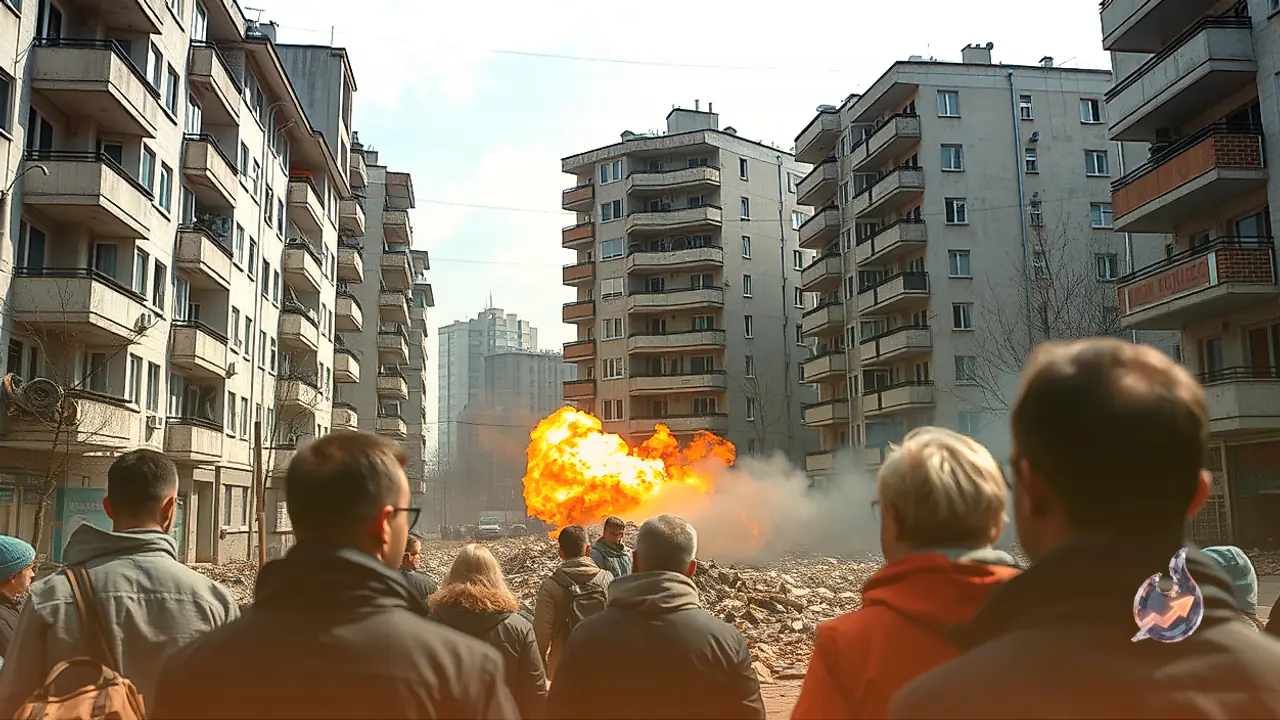
Any immediate optimism was swiftly eclipsed by renewed combat operations. After conferring with European Commission President Ursula von der Leyen, Zelensky revealed that Russian forces had launched drone strikes against a major power plant in Kyiv, triggering widespread power outages across the capital. Further attacks quickly followed, hitting crucial utility networks in the northeastern Kharkiv region. Zelensky pointedly observed that all of these destructive strikes materialized directly after the American head of state publicized his energy ceasefire declaration. Prior to these infrastructural strikes, regional authorities in Kharkiv confirmed that a separate assault on a local grocery store had claimed three civilian lives.
Months of Retaliatory Bombardment on Critical Grids
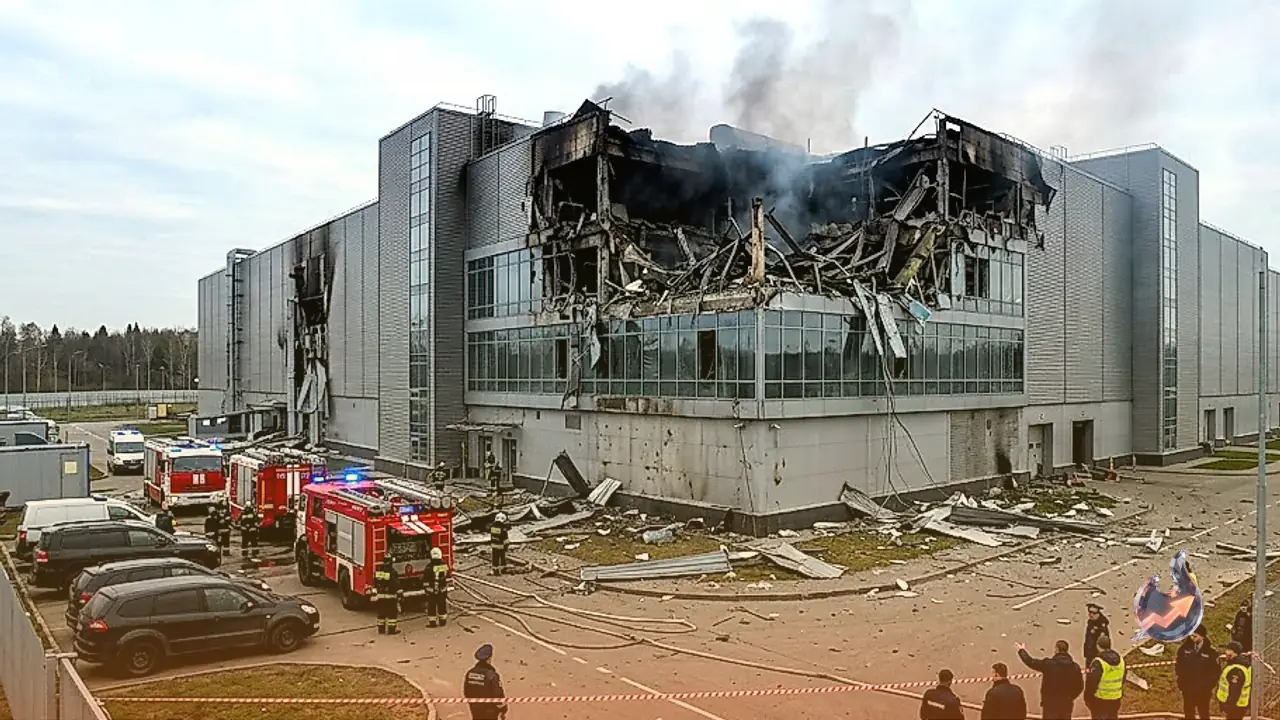
The alleged diplomatic breakthrough follows months of relentless cross-border bombardments targeting foundational power infrastructure. The Russian government has consistently justified its destructive barrages against Ukrainian facilities by categorizing them as legitimate targets that sustain Ukraine's frontline logistics and military machinery. Conversely, Zelensky has defined long-range Ukrainian incursions against oil installations situated deep within Russian territory as a deliberate campaign to exhaust Moscow's financial bandwidth for sustaining the war effort. The extensive damage wrought by this reciprocal campaign was underscored on August 6, when massive columns of dense smoke billowed from the Slavneft-Yanos petroleum refinery in Russia, illustrating how severely supply chains have been compromised on both sides.
Domestic Inflation Pressures and Middle Eastern Oil Disruption
The geopolitical maneuvering by the White House coincides with severe domestic economic vulnerabilities inside the United States ahead of critical midterm elections. The administration has struggled to counter spiraling consumer fuel costs triggered by broader international confrontations. The conflict involving the United States, Israel, and Iran has essentially closed down transit through the Strait of Hormuz, a crucial shipping corridor that typically handles roughly one-fifth of global petroleum volume. This disruption has sent international energy markets surging, generating acute price increases for diesel and baseline automotive fuels.
These sharp spikes in everyday living expenses have damaged Trump's standing among an American electorate increasingly frustrated by broad-based inflation. Seeking a rapid reduction in domestic pump prices, the US president unveiled an arrangement earlier in the week granting temporary relief from sanctions on select Russian imports. That policy choice drew swift condemnation from European partners aligned with both Washington and Kyiv. Zelensky explicitly cautioned that lifting such penalties serves as a lucrative windfall for Russian President Vladimir Putin, directly furnishing the Kremlin with capital to prolong military aggression. Trump retaliated by accusing Zelensky of fabricating global economic hardship through continued refinery strikes, while aggressively lobbying for Ukraine to organize presidential elections.
Dispute Over Wartime Elections and a 60-Day Full Armistice Offer
The diplomatic friction has brought internal Ukrainian political governance into sharp focus. Although national balloting remains officially suspended by the Ukrainian constitution throughout active wartime periods, Zelensky countered the rhetoric from Washington by offering to conduct nationwide elections if Russia formally commits to a comprehensive 60-day complete ceasefire. The Ukrainian president had previously resisted persistent pressure from American officials for fresh votes, citing the logistical and democratic impossibility of staging fair polling across frontlines and occupied zones. Trump, however, has reiterated charges that the Ukrainian leadership is leveraging the state of conflict to prolong its hold on power. Meanwhile, prominent European leaders, including French President Emmanuel Macron and European Commission President Ursula von der Leyen, have voiced approval for the basic concept of an energy ceasefire, even as practical diplomacy remains highly contested.