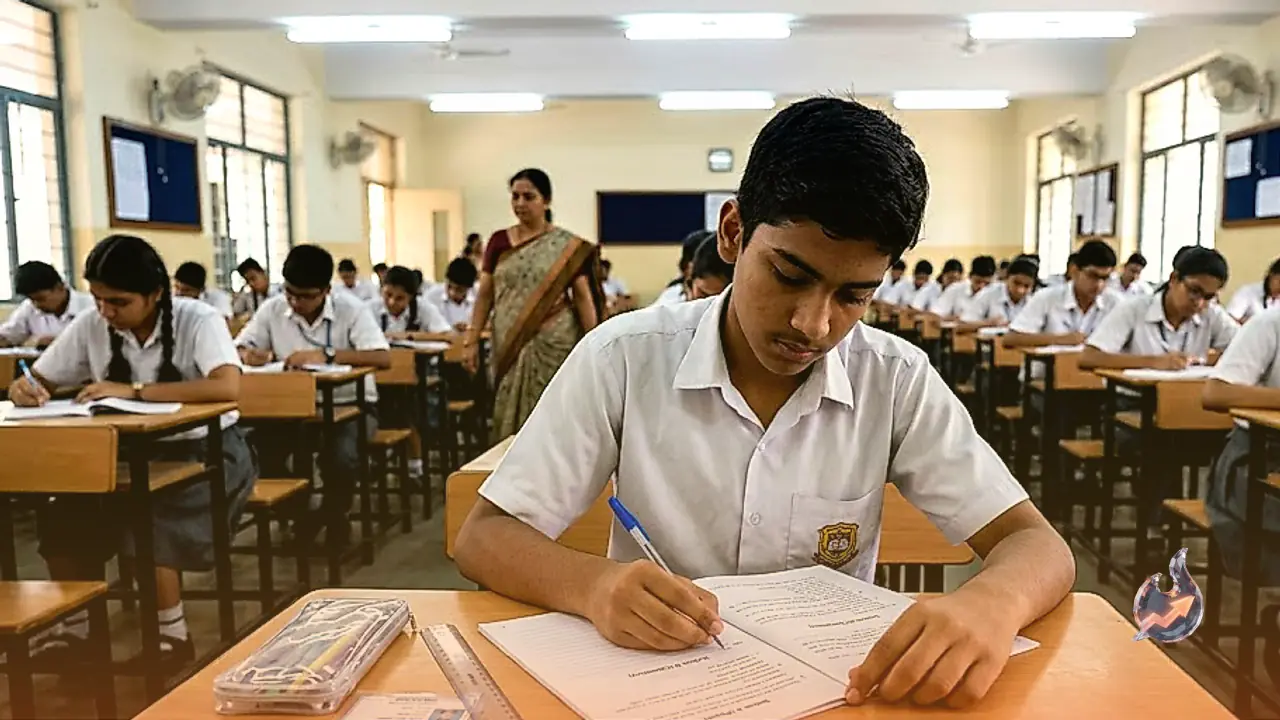






















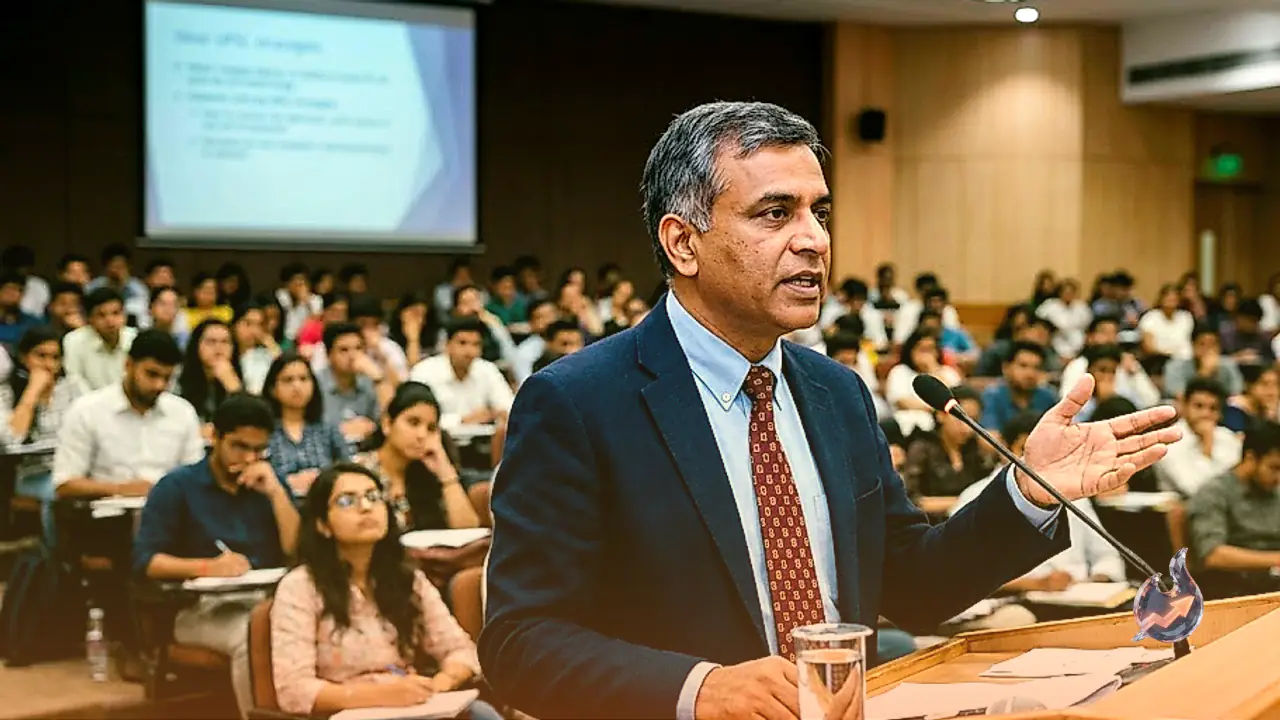

The Civil Services Mains Examination 2026 conducted by the Union Public Service Commission (UPSC) is scheduled to commence on Friday, August 21, 2026. On the very first day, during the morning session from 9:00 AM to 12:00 PM, candidates will sit for the Essay paper. Carrying a total of 250 marks, this critical paper is divided into two distinct sections, requiring candidates to write two comprehensive essays. While a vast majority of aspirants dedicate relentless effort day and night to General Studies (GS) papers, many inadvertently treat the Essay paper with relative casualness. However, in the final selection merit list for prestigious services such as the Indian Administrative Service (IAS) and the Indian Police Service (IPS), the Essay paper plays one of the most decisive roles in determining rank and allocation. To help candidates excel in this competitive component and secure a top score of 140+ marks, B. Singh, CMD of NEXT IAS and MADE EASY, has outlined a comprehensive strategy. According to him, the essay is not merely a test of factual knowledge or refined handwriting; rather, it serves as an authentic evaluation of an aspirant's depth of thought, social sensitivity, and balanced administrative perspective.
Careful Topic Selection and Multidimensional Analysis
Upon receiving the question paper at 9:00 AM on August 21, candidates must avoid the common temptation of writing immediately. It is essential to thoroughly read and understand all the topics listed in both sections before making a choice. Occasionally, a topic may appear deceivingly simple or familiar at first glance, but after drafting two or three pages, candidates find themselves completely out of arguments and fresh perspectives. Therefore, candidates should select only those topics whose underlying essence they deeply comprehend and for which they possess well-rounded illustrative evidence. A well-chosen topic allows candidates to present balanced arguments spanning historical events, social dynamics, ethical considerations, and administrative dimensions. Having strong contextual examples across these four dimensions ensures that the essay remains rich, coherent, and analytical throughout.
The 15-Minute Framework Formula and Structural Blueprint
The hallmark of an outstanding essay lies in its well-structured framework. Once a topic is finalized, candidates should dedicate the initial 15 minutes to crafting a detailed outline on the rough sheet of the answer booklet. During this strategic planning phase, candidates should jot down key points for the introduction, core thesis statements, opposing viewpoints, existing challenges, and solution-oriented conclusions. For philosophical or statement-based topics, dissecting the nuanced meanings of words is particularly vital. Establishing a pre-written framework eliminates the risk of straying from the central topic or repeating arguments unnecessarily mid-way through the essay. Candidates must incorporate this 15-minute blueprint strategy into their daily practice sessions so that they maintain complete clarity and composure under actual examination conditions.
Distinguishing the Essay from General Studies Answers
A frequent pitfall among UPSC aspirants is overcrowding the essay with excessive statistics, committee recommendations, and endless government scheme details. Over-reliance on raw facts turns an essay into a lengthy General Studies response, disrupting its natural literary flow and engaging narrative. Facts and figures should be utilized sparingly to substantiate core arguments rather than taking center stage, as an overly statistical essay can alienate the evaluator. To make the essay captivating and intellectually stimulating, candidates should integrate relevant references from the Constitution of India, literary quotes, inspiring episodes from the Indian freedom struggle, and real-world daily life observations. These organic examples enrich the narrative and elevate the writing from a basic factual report to a sophisticated analytical piece.
Lucid Language Style and Solution-Oriented Conclusions
Achieving a high score of 140+ marks does not require complex, archaic, or pretentious vocabulary. The writing style should remain clear, simple, precise, and grammatically accurate. Sentences should be kept short and structured logically so that the evaluator can follow the progression of thoughts effortlessly. An ideal essay introduction should begin with an engaging anecdote, historical incident, or thought-provoking quote to immediately capture the reader's interest. Furthermore, the conclusion must always remain positive, forward-looking, and solution-driven. Candidates should never leave unresolved questions or pessimistic remarks at the end of the essay; instead, they should synthesize their arguments and present practical, constructive recommendations to leave a lasting impression.
Strategic Time Allocation and Equal Weightage
Effective time management across the 3-hour (180-minute) duration is paramount to securing high marks in both sections. Candidates should allocate approximately 75 to 80 minutes to each essay. A common mistake candidates commit is spending disproportionate time polishing their first essay, leaving insufficient time for the second essay and resulting in an incomplete submission. Given that both essays carry equal weightage of 125 marks each, equal care and focus must be extended to both. Candidates should commence the paper with the essay topic in which they have the strongest command and clearest structure, building early confidence that carries through to the second half of the exam.
Final 5 to 7 Minute Proofreading and Sustained Practice
After completing the writing process, candidates should reserve the final 5 to 7 minutes exclusively for reviewing the entire answer script. This brief review window allows candidates to catch and rectify spelling mistakes, grammatical glitches, omitted words, or weak phrasing. Taking this minor precautionary step can easily yield a critical boost of 5 to 10 additional marks in the overall score. With a calm mindset, clear structural strategy, and consistent practice until August 21, 2026, aspirants can confidently master the Essay paper and secure their desired service.