





















The Union Public Service Commission (UPSC) is scheduled to conduct the Combined Defence Services (CDS) 2 Exam 2026 tomorrow, September 13, 2026. Hundreds of thousands of defence aspirants across the country are appearing for the examination to secure officer commissions in the Indian Army, Navy, and Air Force. However, with Delhi hosting the BRICS Summit 2026, extensive VIP movements and severe road traffic diversions created substantial logistics concerns for candidates aiming to reach their designated test centers on time. To address these transit challenges, the Delhi Metro Rail Corporation (DMRC) in coordination with local authorities has arranged early metro services.
Delhi Metro Adjusts Timings for Candidates Amid BRICS Summit
Responding to concerns voiced by alert aspirants regarding the high security protocols and road closures enforced during the BRICS Summit 2026 in Delhi, the DMRC collaborated with the Delhi Police to facilitate smooth travel. Under this arrangement, Delhi Metro will commence train operations at 6 AM on Sunday, September 13, across all metro lines and corridors. Normally, Sunday services on several routes start later in the morning. This early commencement enables candidates to plan their routes effectively, avoid road security cordons, and reach distant exam venues well ahead of schedule without stress.
Three Session Timings and Strict Entrance Protocol Across 84 Centers
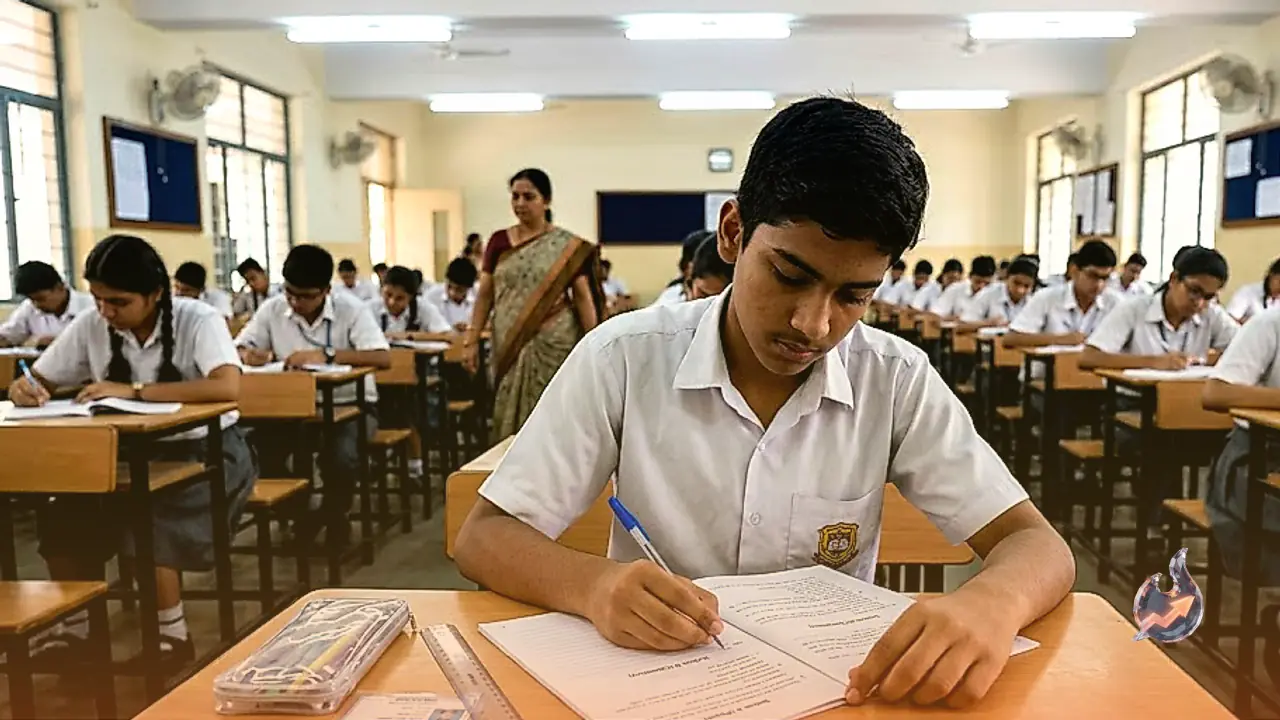
UPSC is conducting the offline pen-and-paper examination across 84 designated centers nationwide. The schedule is divided into 3 distinct shifts spanning morning, afternoon, and evening sessions. As per official UPSC guidelines, the entry gates of all examination centers will be locked precisely 30 minutes before the scheduled start of each session. Consequently, candidates are advised to arrive at their respective centers at least 1 hour and 15 minutes prior to the reporting time. This buffer time allows security personnel to complete mandatory physical frisking, document verification, and face authentication protocols seamlessly.
Essential Documents and Paper Rules for Exam Hall Entry
To gain entry into the examination hall, candidates must carry a physical printout of their official e-Admit Card. Along with the hall ticket, presenting an original valid photo identity proof is mandatory. Acceptable identity documents include a PAN Card, Voter ID, Passport, or Driving License. For marking answers on the OMR sheet, candidates are strictly required to use only a black ballpoint pen. Answers filled using pens of any other ink color will not be evaluated by the optical mark recognition system.
List of Forbidden Items and Malpractice Prevention Guidelines
To ensure fair examination standards, UPSC has imposed strict prohibitions on various items inside the premises. Candidates are explicitly banned from bringing mobile phones, smartwatches, Bluetooth devices, earphones, calculators, tablets, digital cameras, or any other electronic gadgets into the testing hall. Furthermore, bringing printed notes, books, paper slips, or extraneous study materials is strictly forbidden. Any candidate found possessing prohibited electronic devices or paper notes will face immediate disqualification and potential disciplinary proceedings. Candidates must strictly carry only their admitted documents and authorized basic stationery.