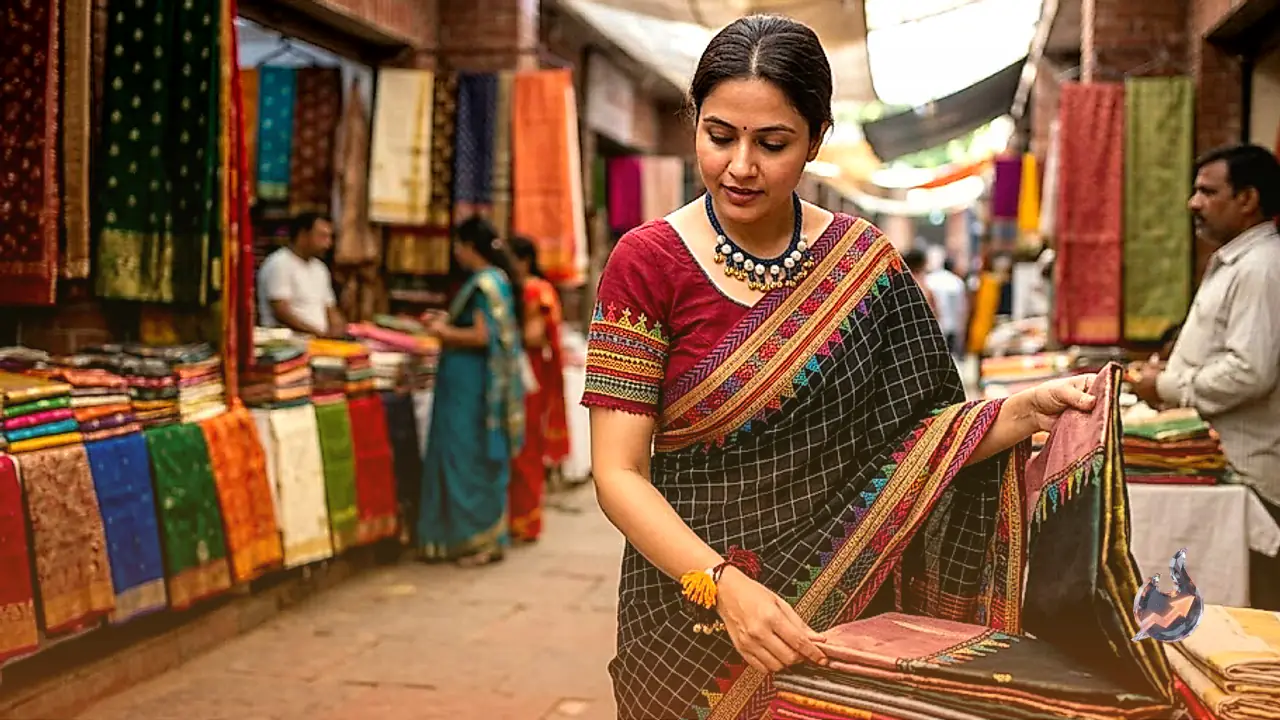


















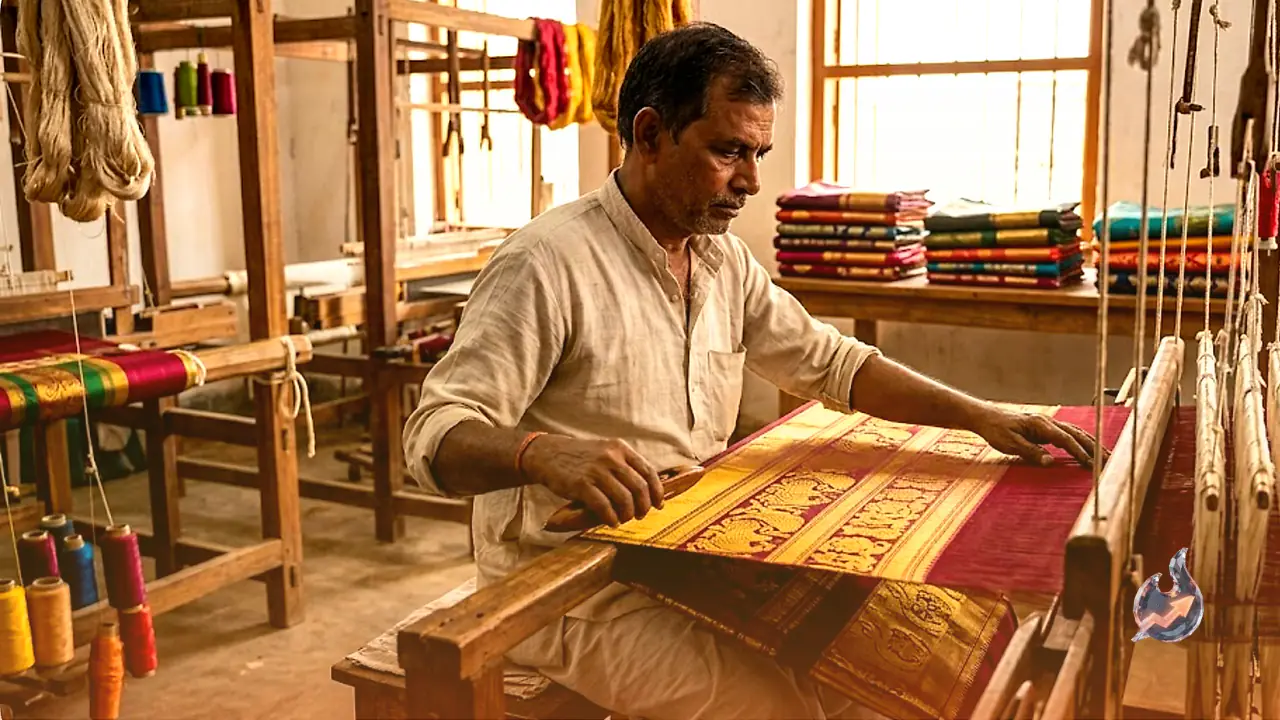

Bhagalpur is best known across India and abroad for one thing, silk. Now the city is drawing fresh attention because its weavers have started recreating South India's famous Kanjivaram saree design and selling it at a fraction of the price it normally commands, a shift that has pushed up demand for Bhagalpur's sarees considerably.
A city built on Tussar and Mulberry silk
Bhagalpur's silk industry produces a wide range of fabrics, most notably Tussar silk and Mulberry silk, each finished with intricate, eye catching designs that have long been in demand. The addition of the South's Kanjivaram pattern to this lineup is the latest example of the city's weavers expanding their repertoire.
A saree worth lakhs, now under 17,000 rupees
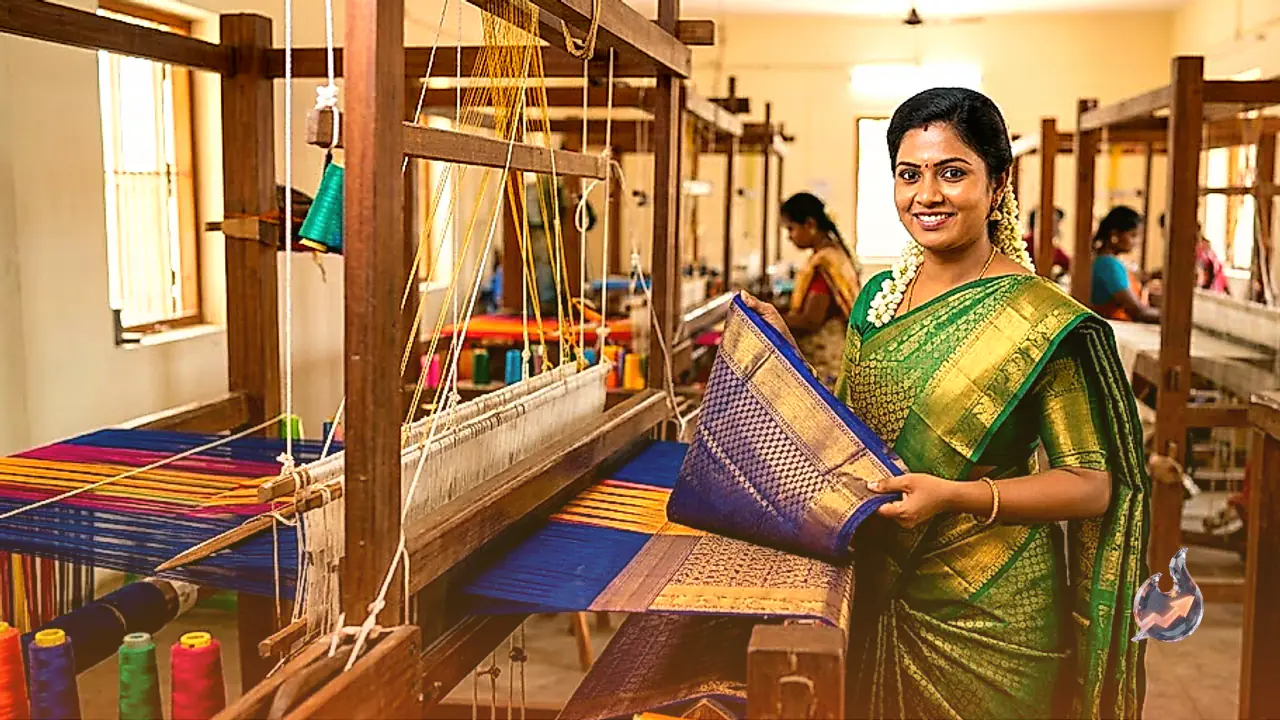
Weaver and trader Sanjeev Kumar said the Kanjivaram design is extremely popular in South India, where it is priced anywhere between 40,000 rupees and several lakhs of rupees. In Bhagalpur, the same design is available for a maximum of 17,000 rupees. According to him, the gap comes down to the thread itself. The yarn used in Bhagalpur is different from what is used in the South, which brings down the production cost and, in turn, the final price. The Kanjivaram pattern is woven on silk and looks strikingly attractive regardless of where it is made.
The silk behind the Kanjivaram look
The Kanjivaram design is primarily created on Mulberry silk, a fabric that is already well regarded on its own for both its look and feel. In Bhagalpur, sarees carrying the Kanjivaram design are priced between 7,000 rupees and 17,000 rupees.
Handwoven, and built for more than one occasion
What sets this design apart is that it is entirely handmade, a process that gives the saree a distinctly soft feel when worn. That versatility means it works equally well for a party or function and for everyday outings. Weaving a single saree takes about a week, and most of that cost goes into labour, which is also the biggest reason the saree carries a higher price tag.