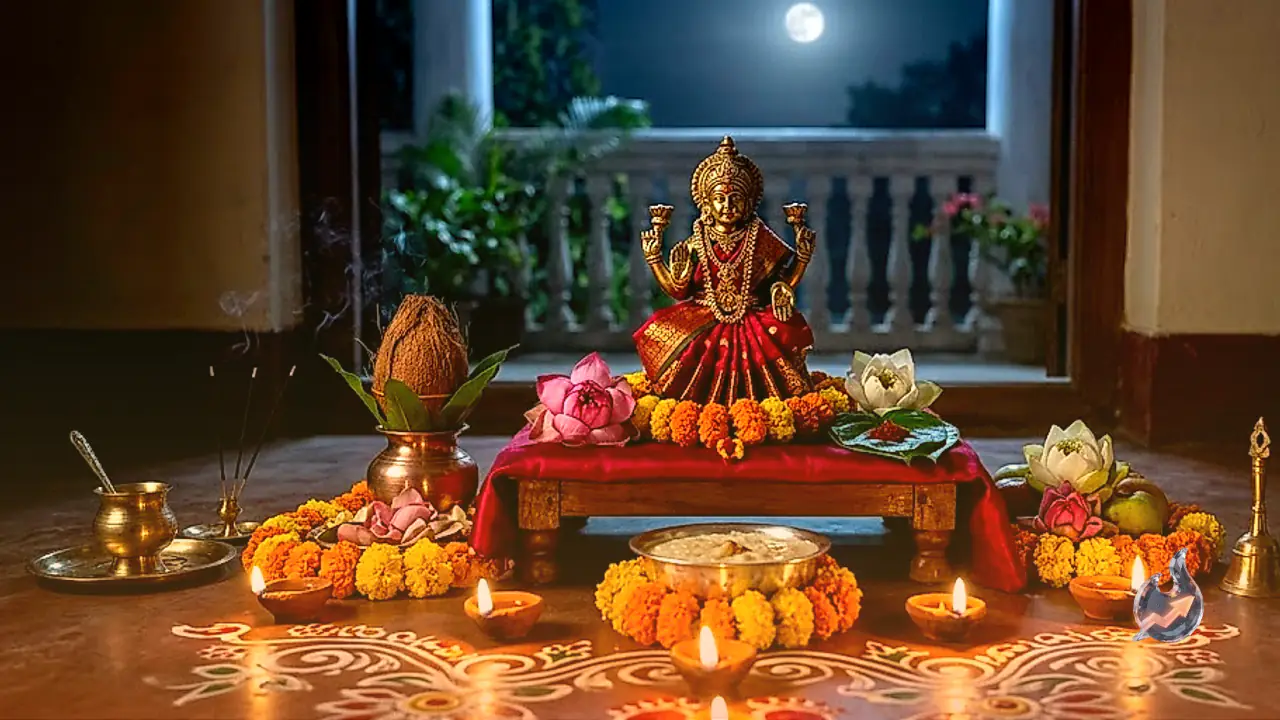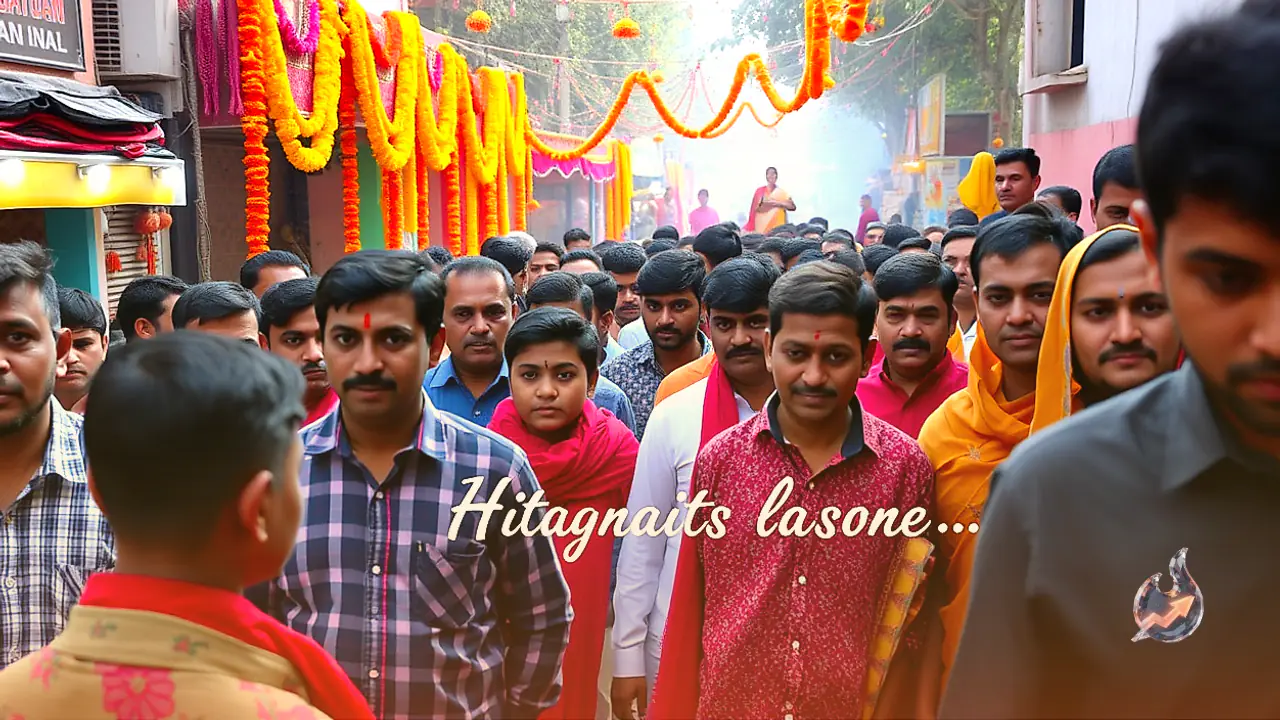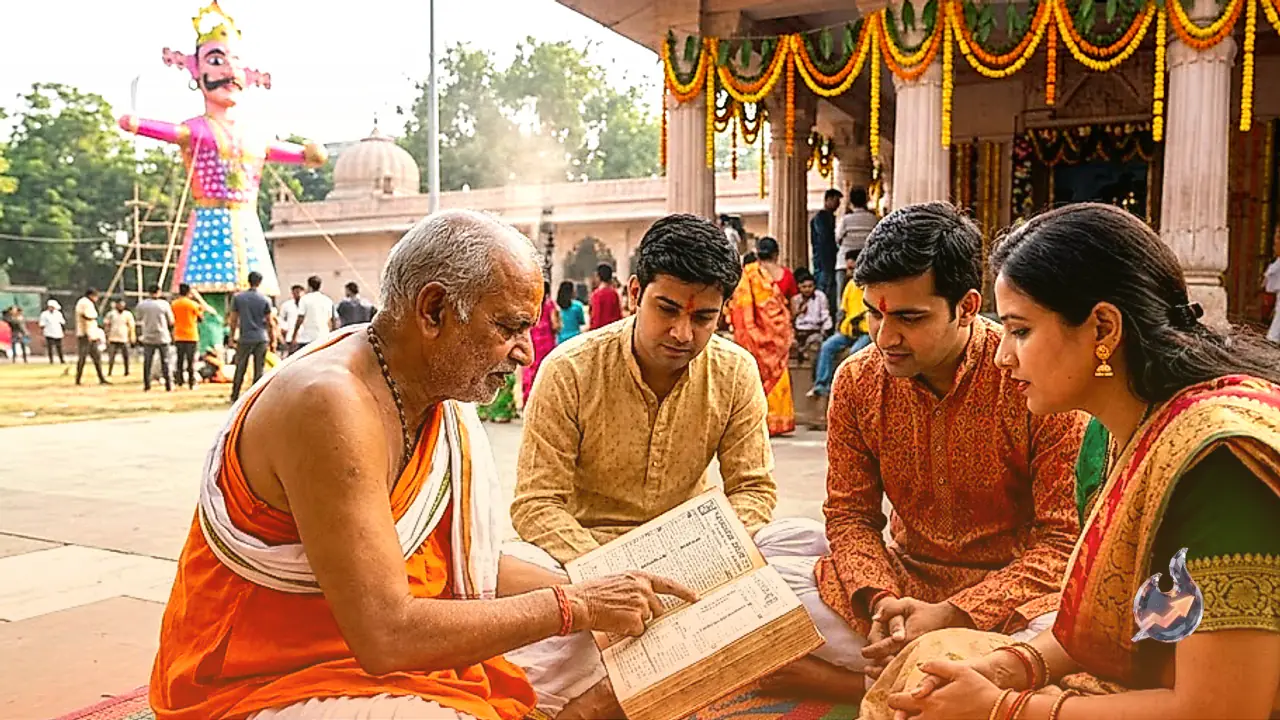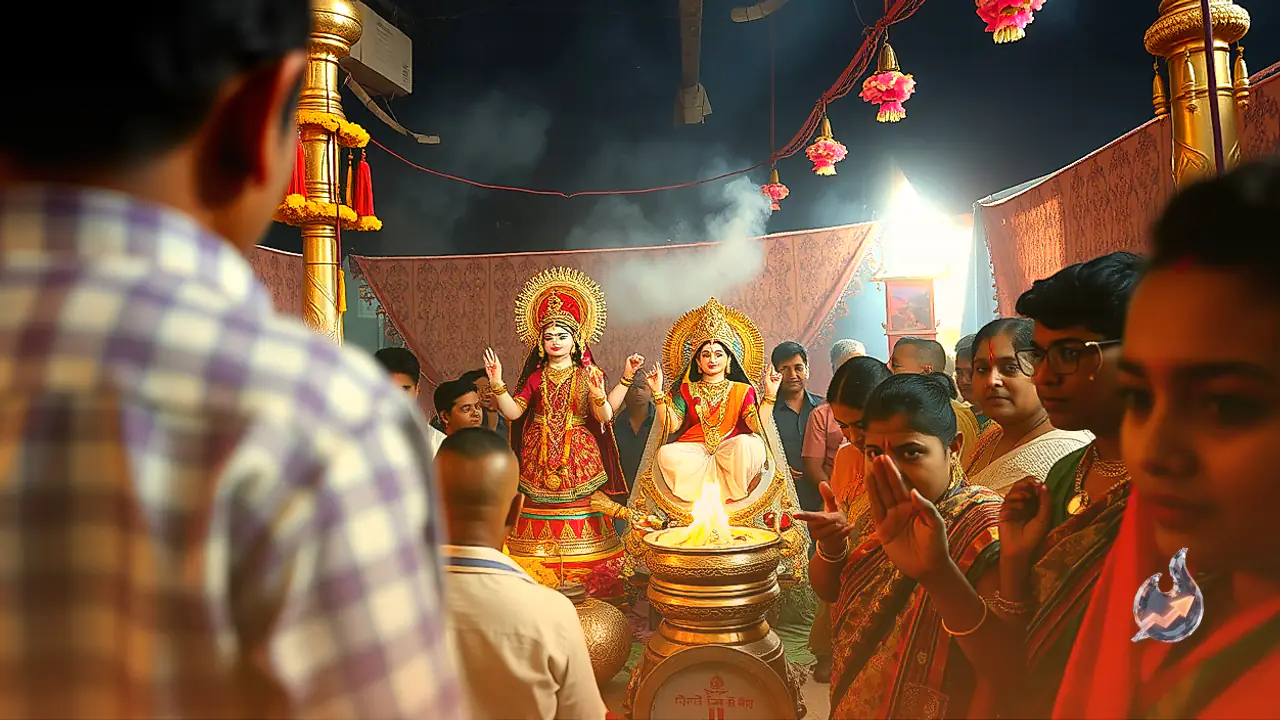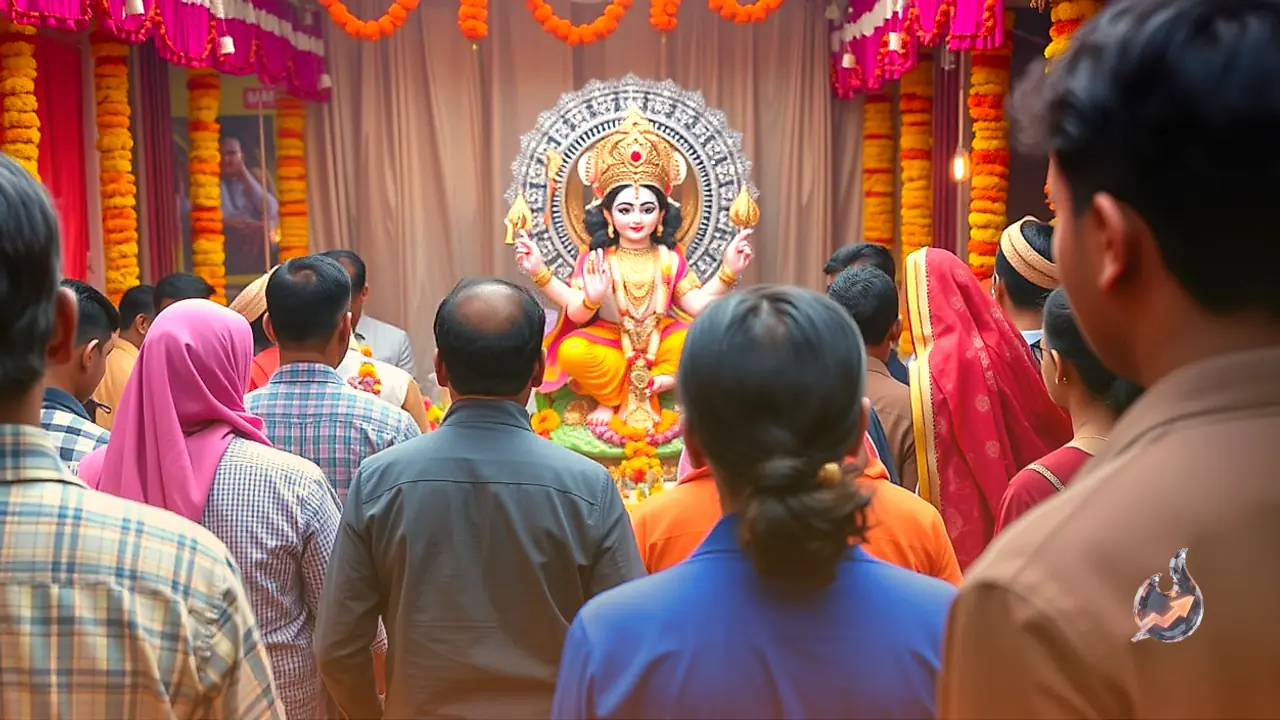



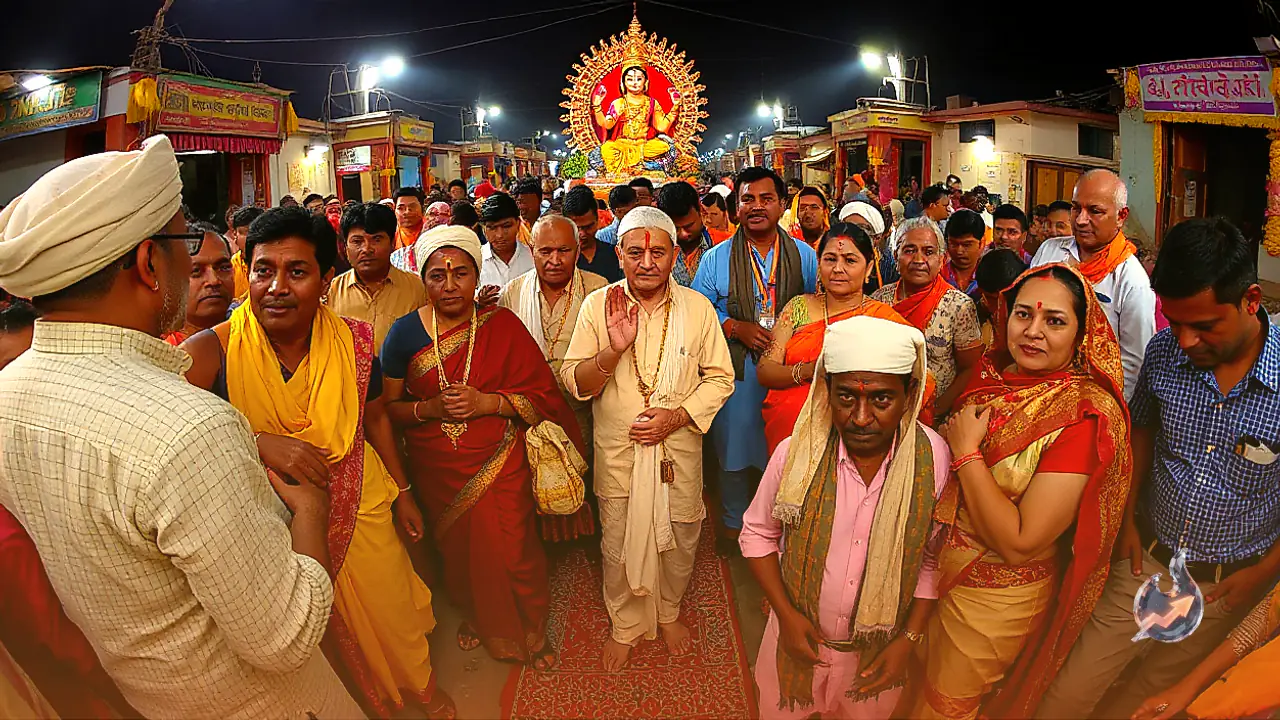





















Celebrated annually on the full moon day of the Shukla Paksha in the month of Ashwin, the auspicious festival of Sharad Purnima will be observed nationwide on Sunday, 25 October. Within Hindu tradition, this date holds profound spiritual and therapeutic significance. The day is primarily dedicated to the joint worship of Goddess Lakshmi, the deity of prosperity and abundance, and Chandra Dev, the Moon God. According to ancient lore and spiritual belief, it is on this singular night that the moon shines forth in its complete sixteen celestial phases, showering the earthly plane with beams endowed with nectar-like healing qualities. Devotees across the country observe sacred vigils, conduct intricate household rituals, and place bowls of traditional sweet kheer beneath the moonlight. Preparing the ritual items well beforehand avoids last-minute market scrambles and the price spikes often seen on festival days.
Complete Checklist of Essential Puja Samagri
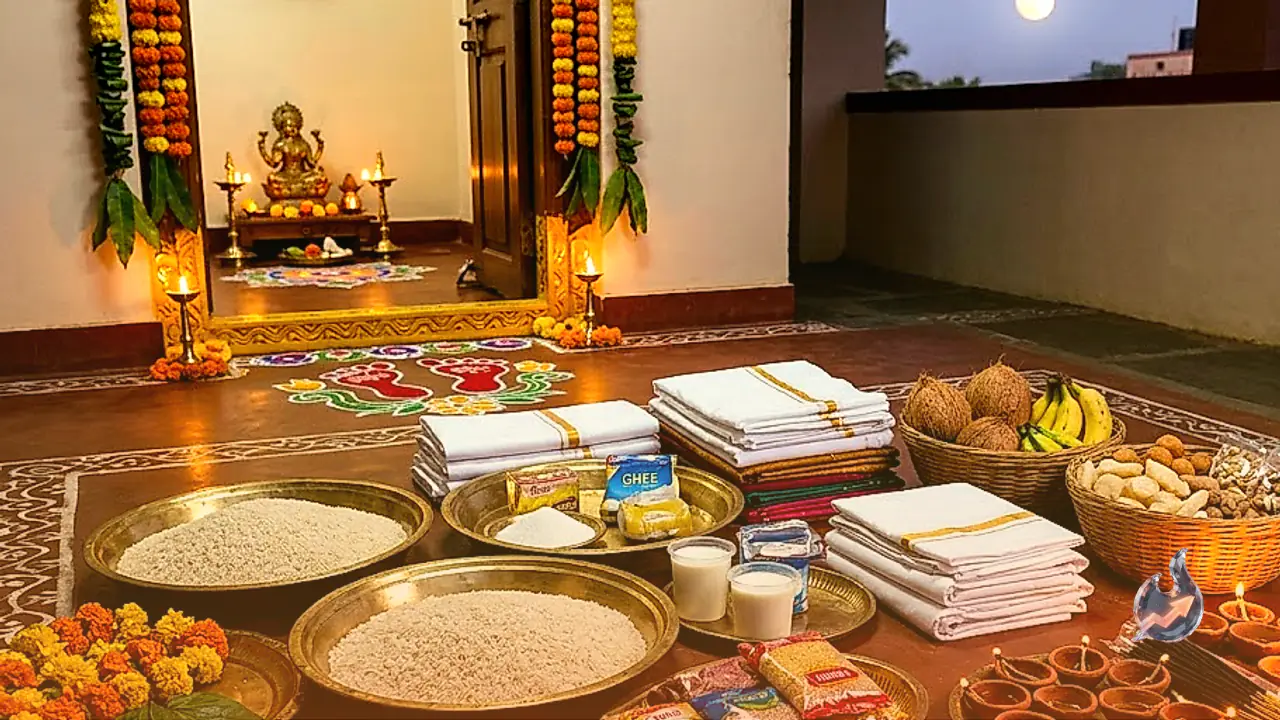
To ensure the evening rituals proceed smoothly without oversight, householders typically gather the required sacred articles ahead of twilight. The primary ingredients and utensils needed for the sacred altar include
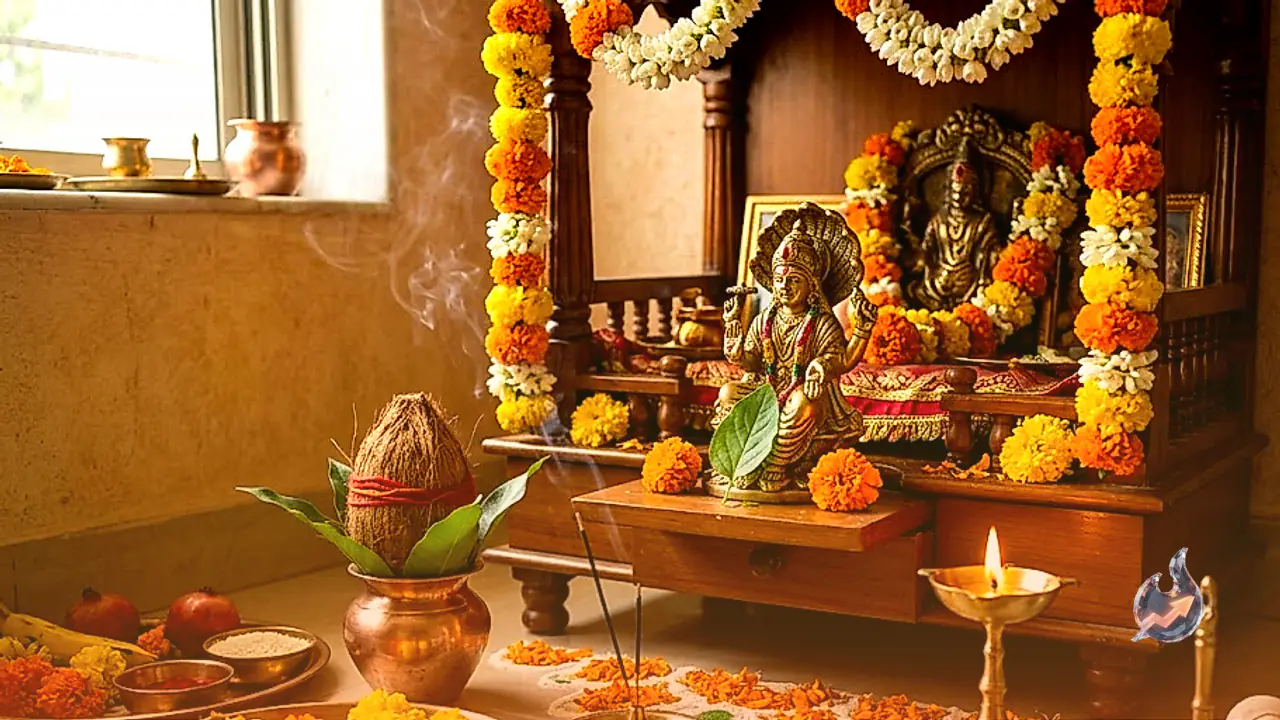
- An idol or sacred framed image of Lord Vishnu and Goddess Lakshmi
- A sanctified water vessel filled with fresh water for Chandra Dev arghya
- Traditional marking powders including roli, kumkum, and whole unbroken rice grains known as akshat
- Sacred sweet kheer prepared with pure milk, rice, sugar, and rich dry fruits
- A dedicated puja plate, a comfortable meditation mat or seating rug, and a kalash made of copper, brass, or silver
- Fresh basil or tulsi leaves, subject to individual household ritual traditions
- Grains, garments, or monetary dakshina reserved for charitable offerings to the needy
Wisdom from Narada Purana and Prosperity Chants
The sacred pages of the Narada Purana preserve a captivating detail regarding this auspicious night, declaring that Goddess Mahalakshmi traverses the earth on Sharad Purnima to visit households that maintain purity, peace, and devoted awareness. Devotees are encouraged to wear pristine white attire while offering reverence to Lord Vishnu and his divine consort. Spiritual practitioners frequently recite the venerable Kanakadhara Stotram and chant the sacred prosperity mantra ‘Om Shreem Mahalakshmyai Namah’ precisely 108 times, which is believed to invite sustained abundance, eliminate debts, and foster domestic well-being. Adding fine strands of saffron to the kheer before leaving it under the open sky allows the preparation to absorb the lunar glow, transforming the dish into a revitalising prasad celebrated for promoting vitality and general wellness.
Step-by-Step Worship Procedure for the Evening
Observance of the sacred day begins in the morning with a cleansing bath followed by putting on fresh garments and meticulously sanitising the domestic prayer sanctuary. As dusk approaches, devotees arrange lamps, incense, and offerings to conduct a formal worship ceremony for Goddess Lakshmi and Lord Vishnu. Later in the evening, as the radiant moon ascends into the night sky, worshippers step outdoors with a water-filled vessel to offer arghya to Chandra Dev, seeking peace, mental clarity, and enduring prosperity. The saffron-infused kheer is subsequently placed in an open courtyard, balcony, or rooftop where moonlight falls directly upon it. Following familial customs, the sweetened offering is presented as sacred bhog before being distributed among loved ones, concluding a day deeply anchored in devotion, spiritual focus, and selfless giving.