


















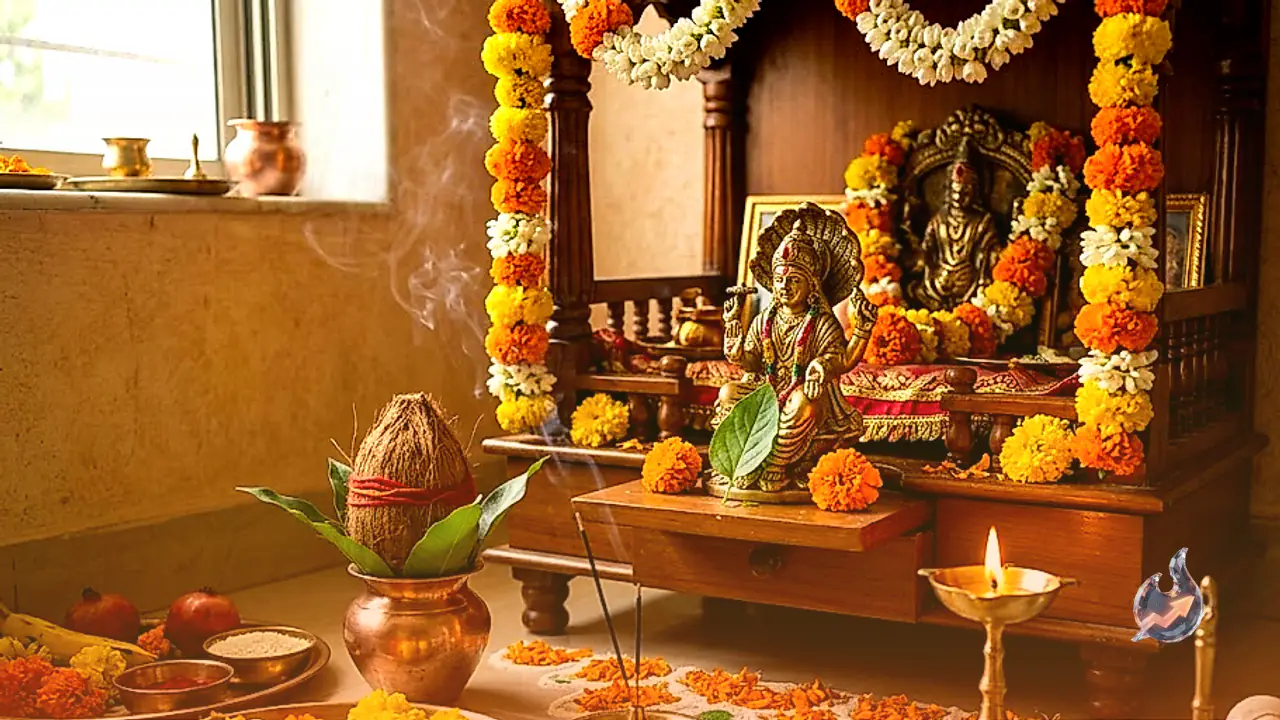

In Sanatan tradition, the Ekadashi observed during the Shukla Paksha of Ashwin month holds tremendous religious significance and is known as Papankusha Ekadashi. Traditional beliefs state that observing this sacred fast grants religious merit equivalent to performing one thousand Ashvamedha sacrifices and one hundred Surya sacrifices. In the Mahabharata, Lord Krishna explained the spiritual value of this observance to King Yudhishthira, emphasizing that it serves as an anchor curbing accumulated negative karma. Observing silence while engaging in prayer, remembrance of God, devotional songs, fasting, charitable giving, and meditative chanting form the core practices of this sacred day.
Observance Date and Parana Timings for 2026
According to traditional calendar calculations, Papankusha Ekadashi will be observed on Thursday, October 22, 2026. The Ekadashi tithi officially begins on October 21, 2026, at 02:11 PM. The tithi will conclude on the following day, October 22, 2026, at 02:47 PM. Because morning dawn aligns with the tithi on Thursday, religious activities and full-day fasting are scheduled for October 22.
Breaking the fast correctly during the prescribed window remains essential for completing the observance. The designated parana period on October 23 spans from 06:27 AM to 08:42 AM. Furthermore, the Dwadashi tithi will conclude at 02:35 PM on October 23, requiring devotees to conclude all rituals appropriately within the prescribed morning timeframe.
Auspicious Worship Muhurat Intervals
Devotees seeking to perform prayers and ceremonial rites have access to multiple auspicious windows throughout October 22. The sacred Brahma Muhurat extends from 04:45 AM to 05:35 AM, while the Pratah Sandhya period runs from 05:10 AM to 06:26 AM. Midday devotion can be conducted during Abhijit Muhurat, scheduled between 11:43 AM and 12:28 PM.
Additional auspicious timings include the Vijaya Muhurat between 01:58 PM and 02:44 PM. The Amrit Kaal window takes place from 01:18 PM to 02:58 PM. In the evening, the Godhuli Muhurat lasts from 05:45 PM to 06:10 PM, accompanied by Sayahna Sandhya from 05:45 PM to 07:01 PM. For nocturnal spiritual contemplation, Nishita Muhurat begins late night at 11:40 PM and extends until 12:31 AM on October 23.
Step-by-Step Puja Rituals
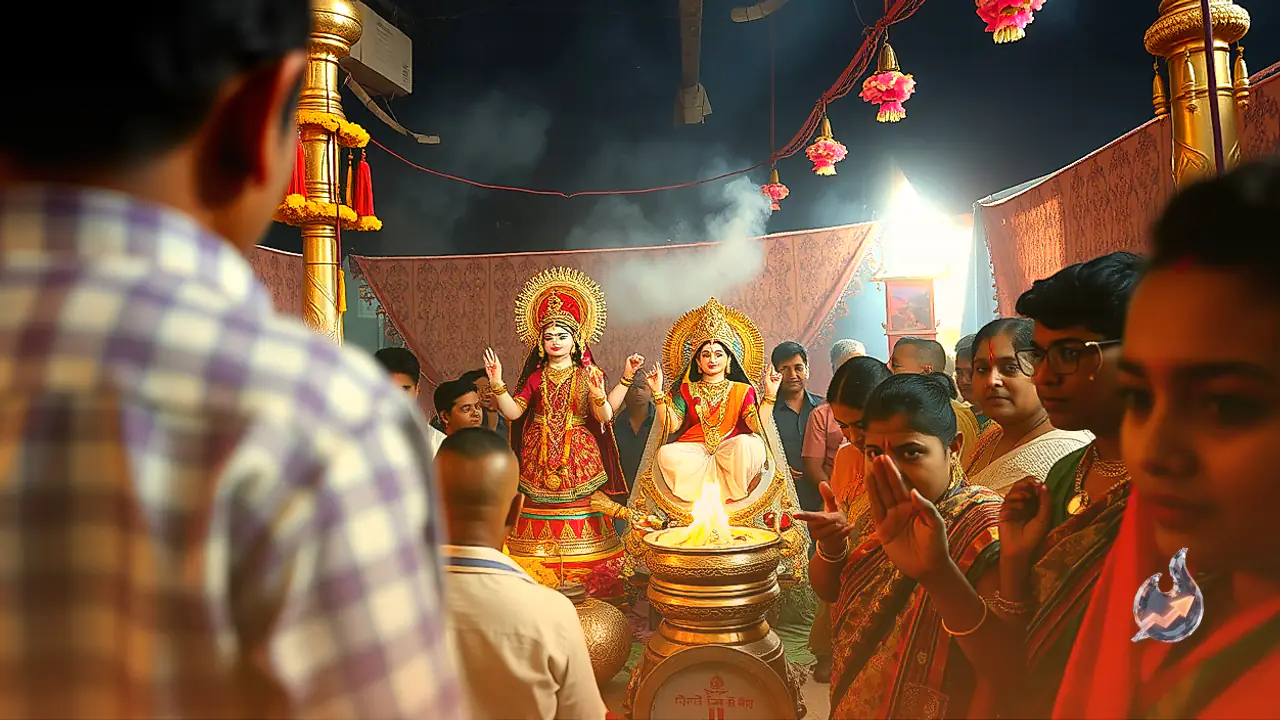
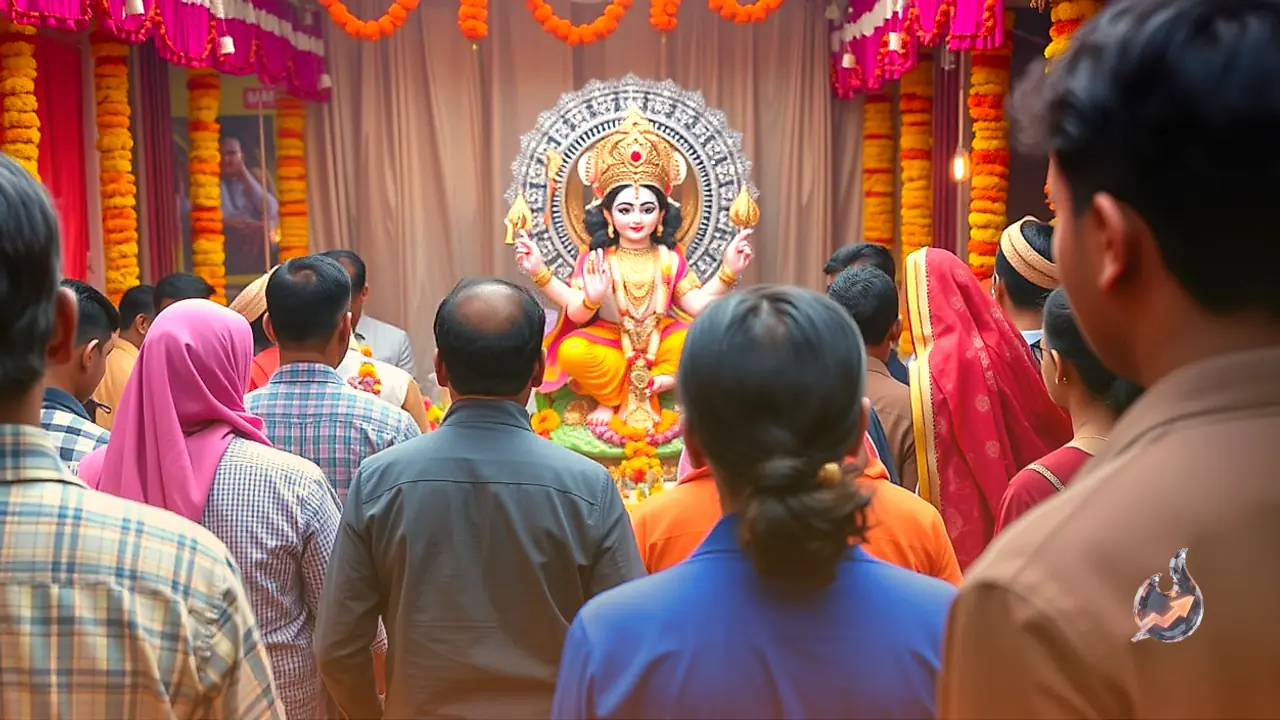
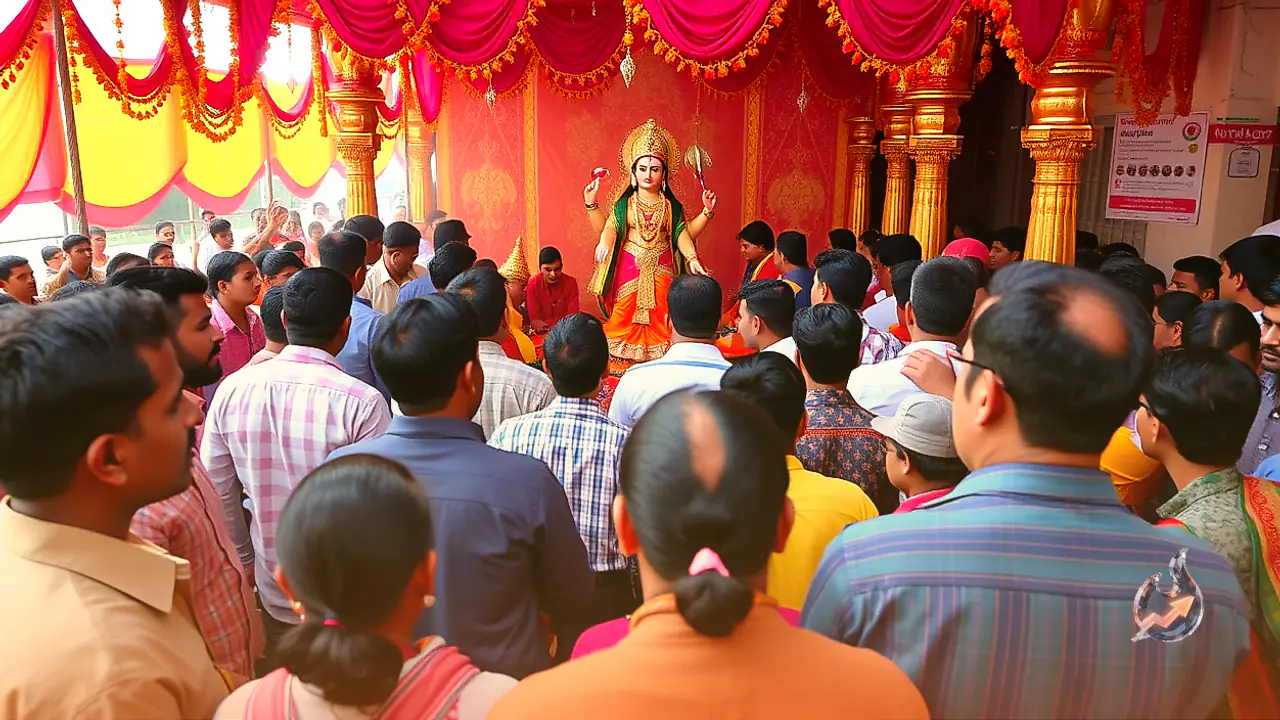
The ritual starts at dawn when observers bathe, put on clean garments, and formulate a formal spiritual vow. A ceremonial water pot is installed at the altar, upon which an idol or likeness of Lord Vishnu is placed and worshipped with traditional reverence.
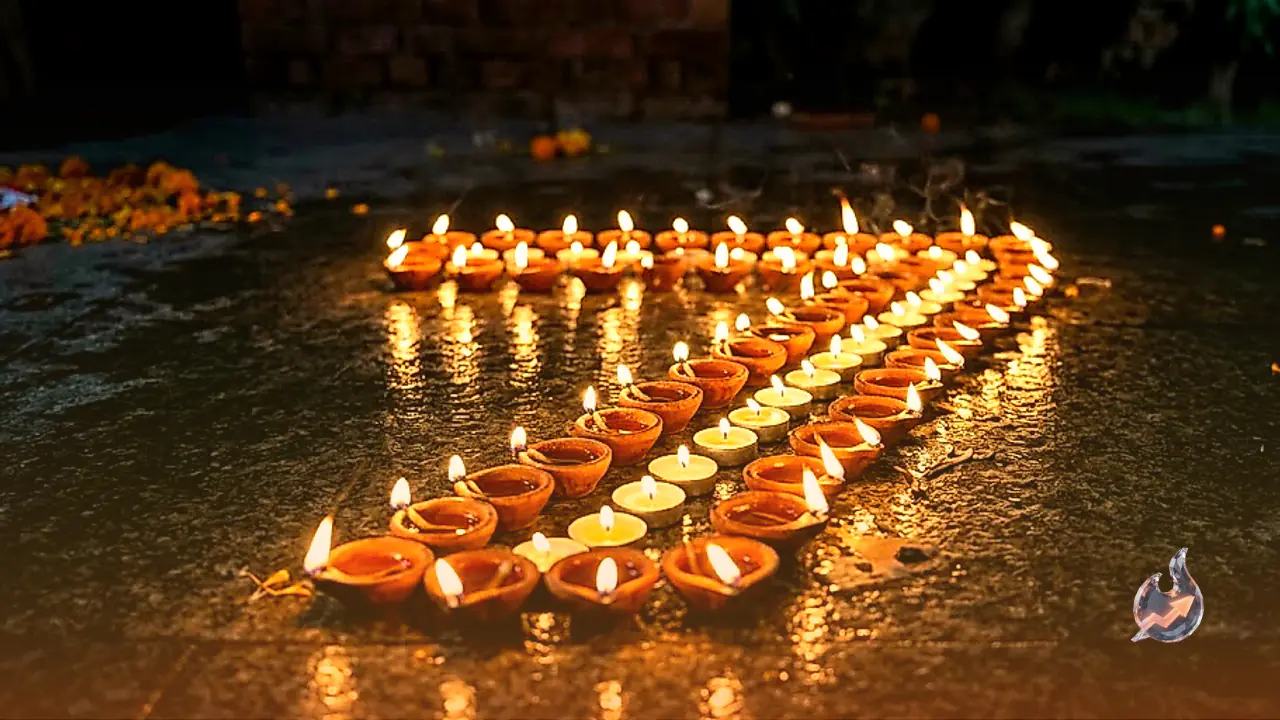
Offering Tulsi leaves to Lord Vishnu is mandatory during the ceremonial rites, as sacred texts emphasize that his worship is incomplete without this sacred herb. Devotees then chant the Vishnu Sahasranama and recite the traditional Papankusha Ekadashi story. Worship concludes with the ceremonial aarti performed with lamps, followed by offering sacred food to the deity. On the following morning of Dwadashi, devotees conclude their fast during parana hours only after feeding Brahmins and offering charity of food grains.
Spiritual Importance and Liberation
Sacred lore emphasizes Lord Krishna's explicit description of this date as a shield against wrongful acts. Fasting on this day restrains unwholesome tendencies, shields individuals from the spiritual repercussions of past transgressions, and ultimately guides earnest practitioners toward divine liberation and everlasting peace.