
In Sanatan Dharma, Tulsi Vivah holds special and profound significance. On this auspicious day, the marriage of Mother Tulsi is solemnized with the Shaligram avatar of Lord Vishnu in a traditional ceremony. It is widely believed that performing this sacred worship brings prosperity and happiness into the household while invoking the combined blessings of Lord Vishnu and Goddess Lakshmi. However, if the Tulsi plant at your home has dried up or if you do not have a plant at all, there is no need to panic or feel troubled. There are alternative ways to complete these wedding rituals smoothly.
Significance and Tradition of Tulsi Vivah
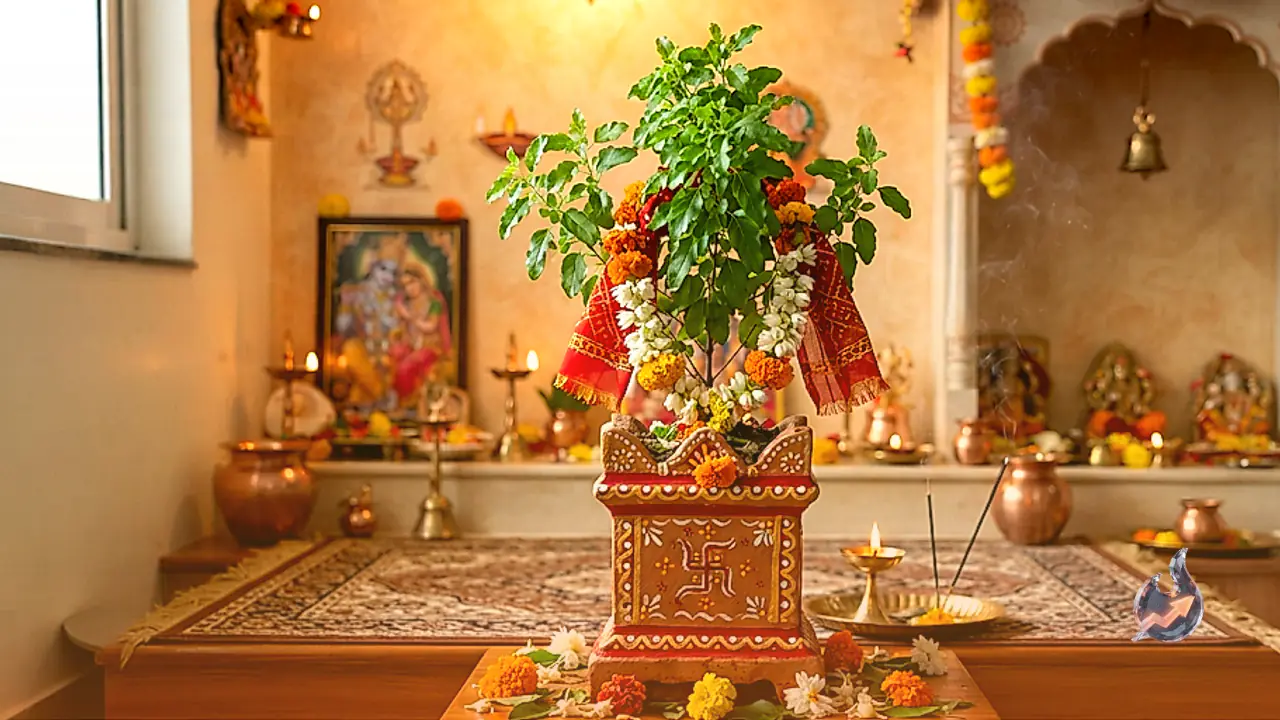
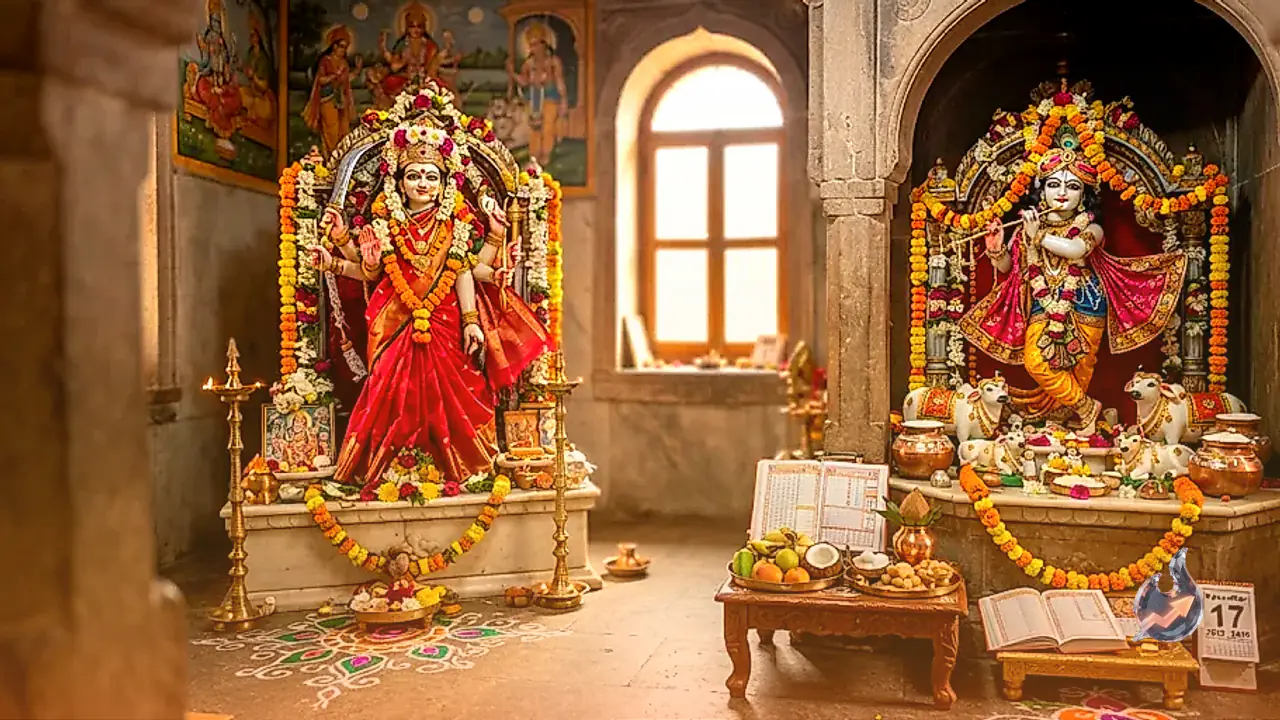
Tulsi Vivah, which takes place during the month of Kartik, is considered a symbol of the divine union between Lord Shaligram and Mother Tulsi. On this day, homes and temples adorn the Tulsi plant and perform all the customary wedding rituals. According to tradition, conducting Tulsi Vivah ensures happiness in marital life and brings long-lasting joy to the entire family.
What to Do If the Plant Has Dried Up
In traditional practices, offering worship to a lush green and healthy plant is considered ideal. If your home's Tulsi plant has withered away, it can be replaced by planting a fresh one. On the other hand, if a Tulsi plant is completely unavailable at home, you can use a picture of Mother Tulsi or sacred Tulsi leaves as a symbolic representation to carry out the worship.
Performing Puja Using Pictures or Tulsi Leaves
When a physical Tulsi plant is absent, you can set up a clean picture of Mother Tulsi on a wooden platform draped with red or yellow cloth. If Tulsi leaves are available, place them neatly in a clean plate. Right in front of this, establish an idol or photograph of Lord Shaligram or Lord Vishnu. Begin the rituals by taking a bath, wearing clean clothes, and cleaning your household temple area thoroughly.
Step-by-Step Guide to Complete the Rituals
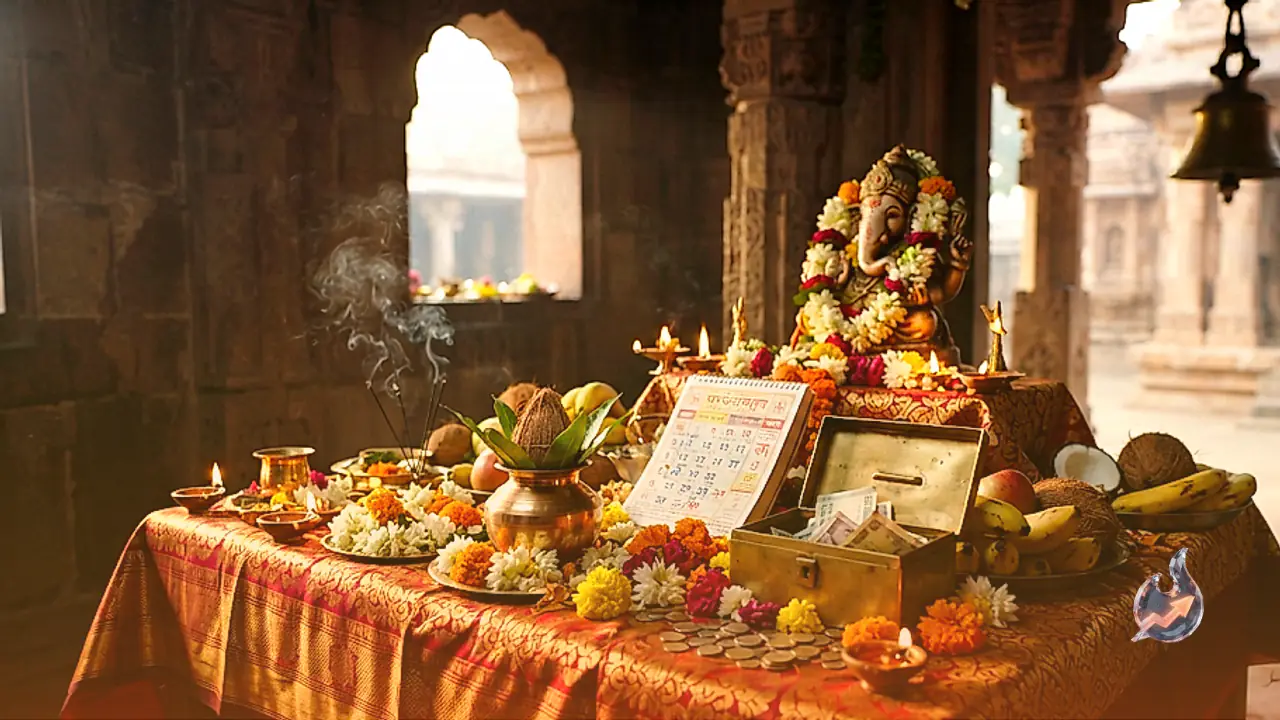
Start the proceedings by lighting a lamp and taking a formal pledge to conduct the Tulsi Vivah. Offer turmeric, kumkum, sandalwood, akshat, and fresh flowers to both Mother Tulsi and Lord Vishnu. You may also offer a red chunari or sacred thread (kalava) to the picture of Mother Tulsi. Following this, perform a symbolic tying of the knot using the sacred thread. Offer fruits, sweets, or traditional kheer-puri as bhog to the deities. Conclude the ceremony by performing aarti with a ghee lamp or camphor, and distribute the prasad among everyone after the worship concludes.
Proper Handling of a Dried Plant
If the Tulsi plant has completely dried up, it should be respectfully removed from the pot and buried gently in the soil. Afterward, plant a fresh Tulsi sapling in its place and take good care of it. If a plant cannot be arranged immediately, the alternative option of symbolic worship for Tulsi Vivah can be followed comfortably.