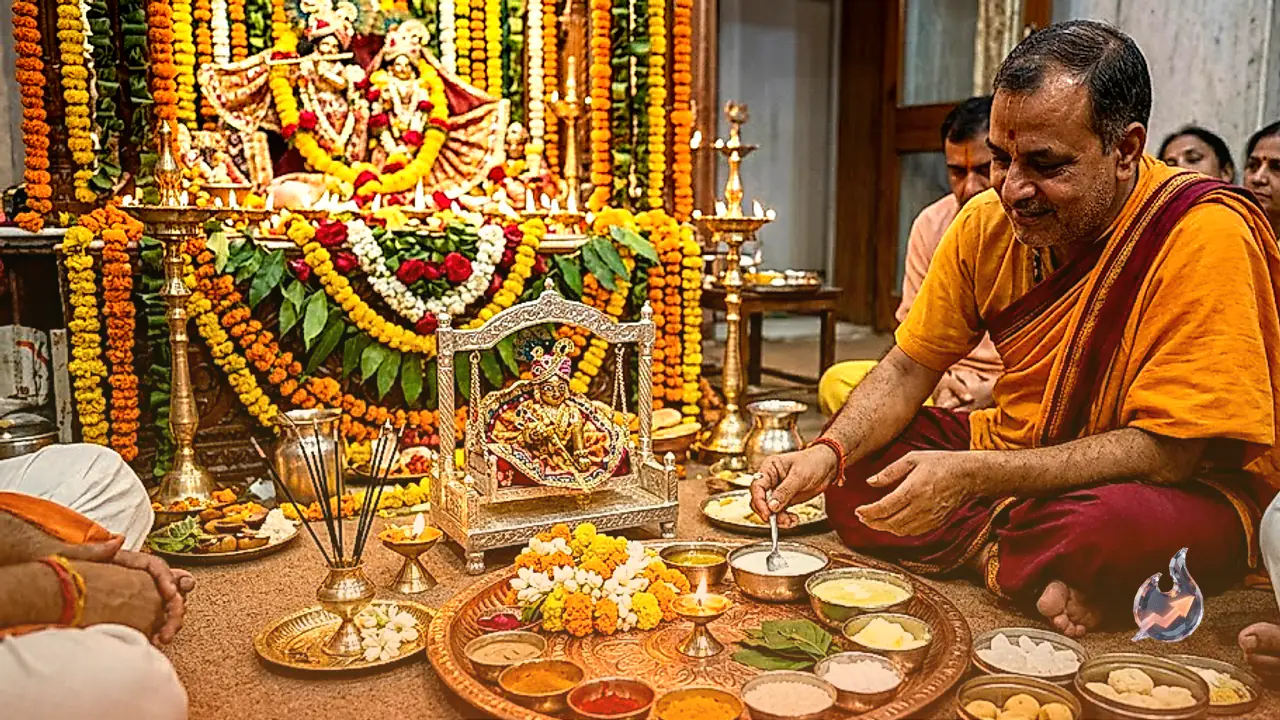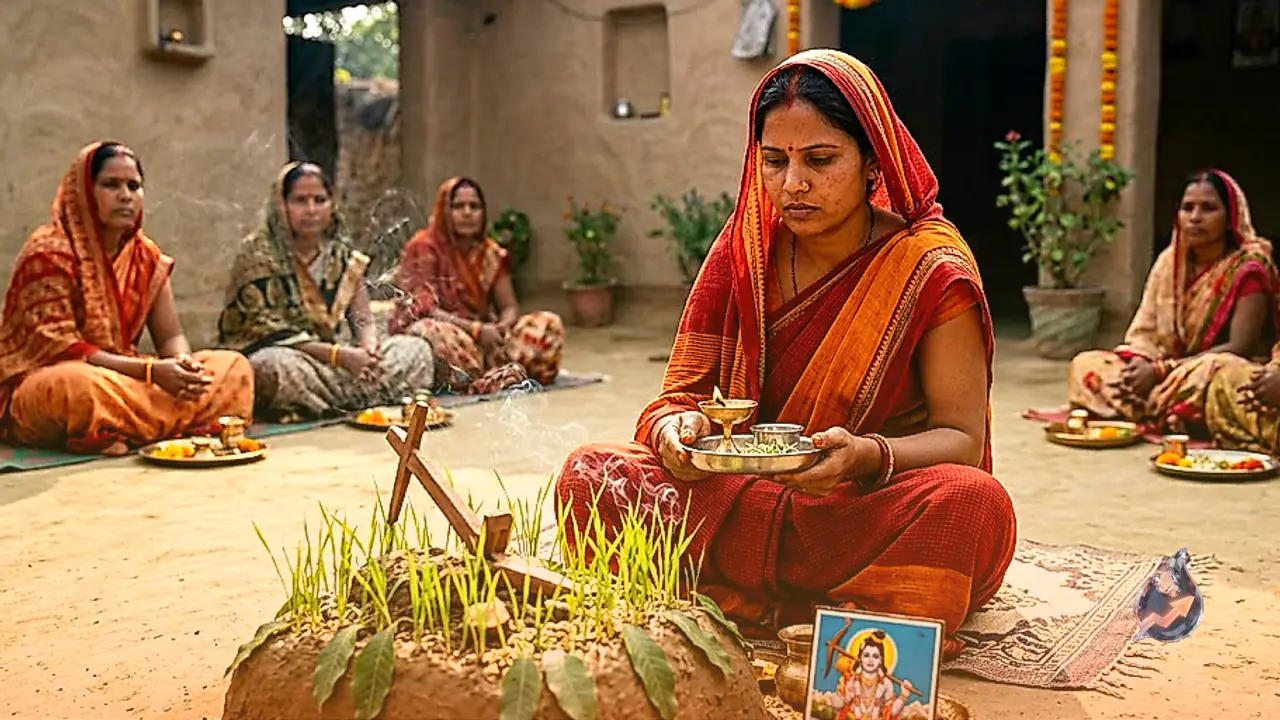

























During the auspicious festival of Janmashtami, which marks the birth of Shri Krishna, distributing Panchamrit following the sacred rituals is a deep-rooted and venerated tradition. Crafted from a harmonious blend of milk, curd, pure ghee, honey, and sugar or mishri, this holy offering holds immense spiritual significance while delighting devotees with its divine taste. However, without precise measurement, Panchamrit can frequently become excessively thick, overly sweet, or develop an unappealing oily layer of ghee on top. To eliminate these common culinary inconsistencies and achieve an ideal balance of consistency, sweetness, and purity, following the structured 1:2:4:8:16 ratio serves as a practical and reliable guideline.
Understanding the 1:2:4:8:16 Ratio for Perfect Balance
Five foundational ingredients are essential for preparing Panchamrit: ghee, honey, sugar or mishri, curd, and milk. In the 1:2:4:8:16 formula, each ingredient is incorporated in a strictly balanced progressive proportion. Under this standard formula, pure ghee represents the smallest portion (1 part), followed by honey (2 parts), sugar or crushed mishri (4 parts), fresh curd (8 parts), and fresh milk taking the largest share (16 parts). Although individual household traditions and regional customs may subtly adjust these quantities, adhering to this numerical ratio acts as an effortless template to ensure that no single ingredient overwhelms the flavor profile or physical texture of the prasad.
Step-by-Step Preparation and Blending Techniques
To begin the preparation, select a meticulously cleaned vessel, ideally made of brass, copper, or silver as traditionally preferred for religious offerings. Pour in the measured quantities of fresh milk and thick curd first. Next, add the designated portions of pure ghee, natural honey, and finely powdered sugar or mishri. Gently whisk the mixture using a clean spoon or wooden stirrer until every ingredient integrates smoothly. Continuous and gentle stirring ensures that the sugar completely dissolves without settling at the bottom, while preventing the ghee from floating separately on the surface, producing a smooth and uniform blend.
Ensuring Purity, Hygiene, and Ingredient Selection
Since Panchamrit is a sacred sacred offering dedicated to the deity, maintaining absolute cleanliness and ritual purity during its creation is paramount. Always choose fresh milk and unadulterated curd, prioritizing fresh cow milk and homemade curd whenever possible. The ghee and honey utilized should be of premium quality and unadulterated. To achieve a lighter, highly authentic flavor, many practitioners substitute refined white sugar with powdered thread mishri. Mishri provides a subtle, traditional sweetness that is gentle on digestion and enhances the overall spiritual sanctity of the preparation.
Incorporating Tulsi Leaves and Managing Freshness Timing
In Hindu rituals, offering prasad to Shri Krishna is considered incomplete without sacred Tulsi leaves. When incorporating Tulsi leaves into Panchamrit, select only fresh, clean, and whole leaves. Wash them thoroughly under clean running water prior to adding them to the mixture. Furthermore, on Janmashtami, it is best to prepare Panchamrit close to the actual time of the puja rather than hours in advance. Dairy-based mixtures should not sit exposed at room temperature for extended durations. Keep the prepared Panchamrit neatly covered and store it in a cool place or refrigerator until it is distributed to devotees.
Balancing Tradition and Individual Preference
Overusing honey or sugar renders the Panchamrit cloying, masking the subtle taste of fresh dairy. Conversely, adding excessive ghee causes an unpleasant greasy film over the top. Maintaining appropriate ratios remains the core secret of this traditional recipe. While keeping the 1:2:4:8:16 proportion constant, you can easily scale the overall quantity up or down according to household requirements. Once offered to Shri Krishna during midnight prayers, distribute this blessed prasad among family and devotees with devotion.