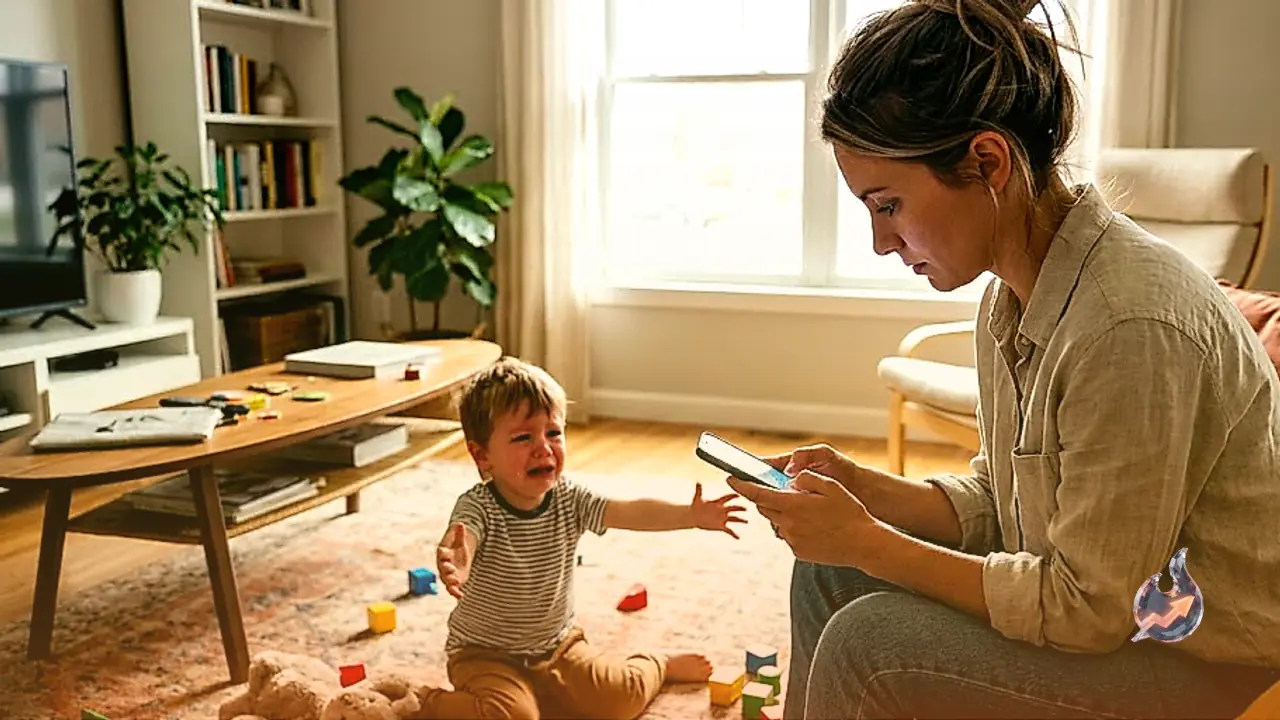























Disputes over toys, arguments regarding the television remote, or questions about who receives more affection are everyday occurrences in households with multiple children. Minor disagreements among siblings are completely normal. However, certain habits and reactions from parents can often escalate these domestic spats. Over time, this mounting tension can evolve into jealousy, resentment, and permanent emotional distance between siblings.
The Pitfall of Constant Comparisons
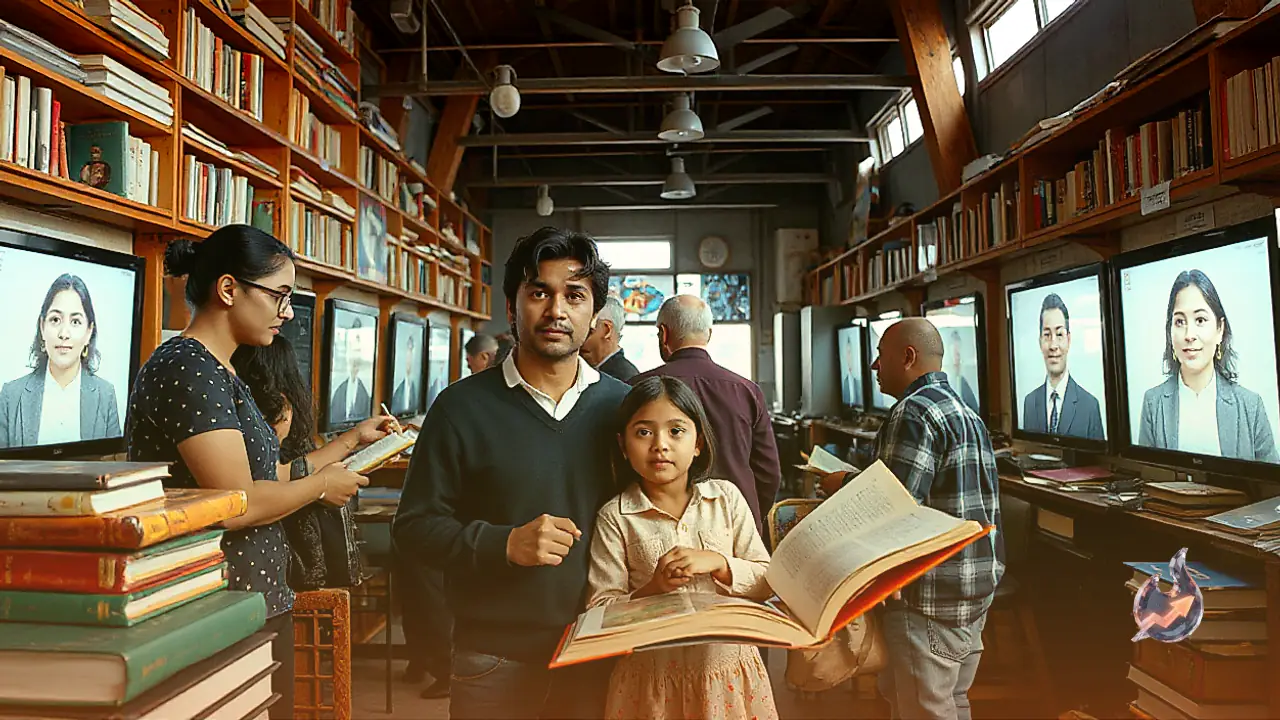
Parents frequently use phrases like look at how well your sibling writes or learn something from your brother to motivate a child. Yet every child possesses unique strengths, weaknesses, and a distinct pace of learning. Continuous comparison can lead a child to believe they are inferior to their brother or sister in the eyes of their parents. This perception frequently breeds envy and bitterness toward the other sibling. Instead of drawing comparisons, parents should praise individual progress and effort.
Consistently Taking One Side
When conflicts arise, parents sometimes assign blame to the older child or favor the younger one without fully listening to both sides of the story. This biased approach deepens resentment in the child who feels ignored or silenced. It is crucial to remember that being younger does not automatically make a child right, just as being older does not mean bearing the blame for every mistake that occurs in the household.
Overburdening One Child With Responsibility
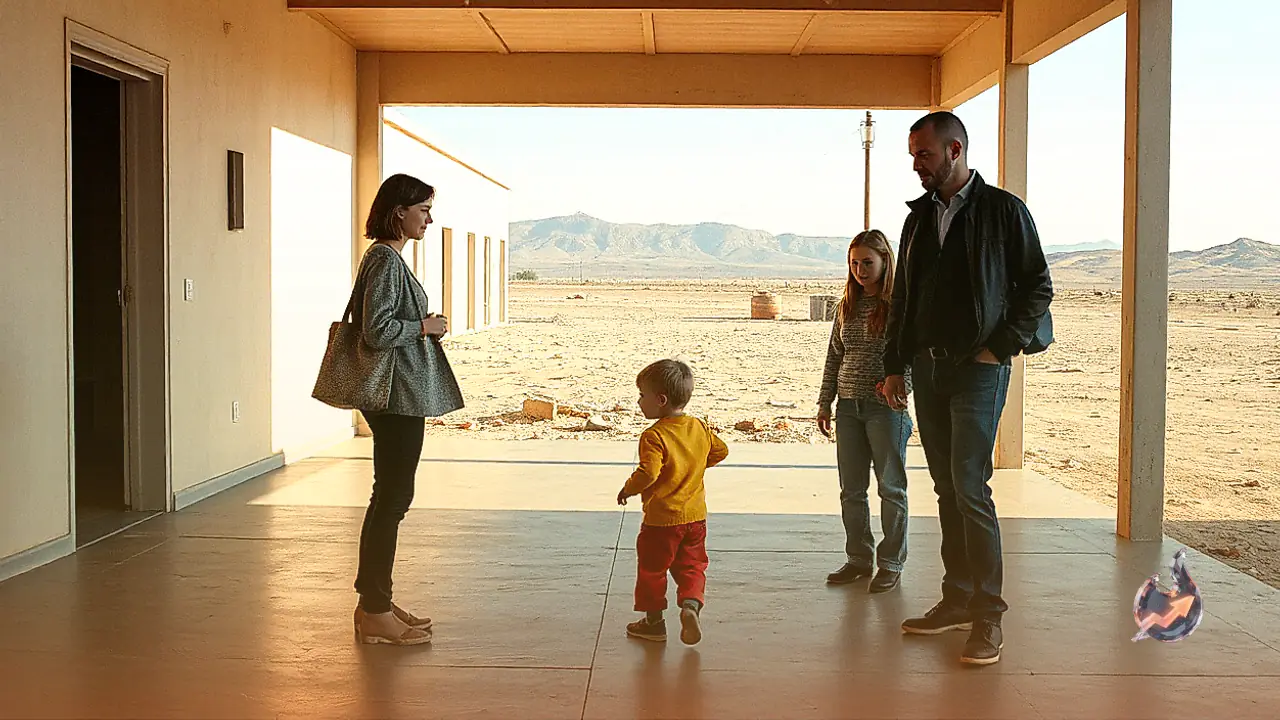
Older children are frequently expected to supervise younger siblings, share their belongings, and act maturely in every situation. While instilling responsibility is valuable, expecting the same child to compromise every single time makes them feel neglected and sidelined. Conversely, pardoning a younger child for every misdeed prevents them from understanding accountability. Household rules and responsibilities should be distributed fairly according to age without demanding endless sacrifices from a single child.
Imposing Instant Judgments Without Listening
When children begin to argue, parents often intervene and hand down a verdict immediately without understanding the root cause. While this might halt the immediate argument, it deprives children of the chance to learn conflict resolution skills independently. If the disagreement does not involve physical harm, both children should be allowed to speak and find a fair solution together, though physical aggression requires immediate intervention.
Belittling Children In Front of Others
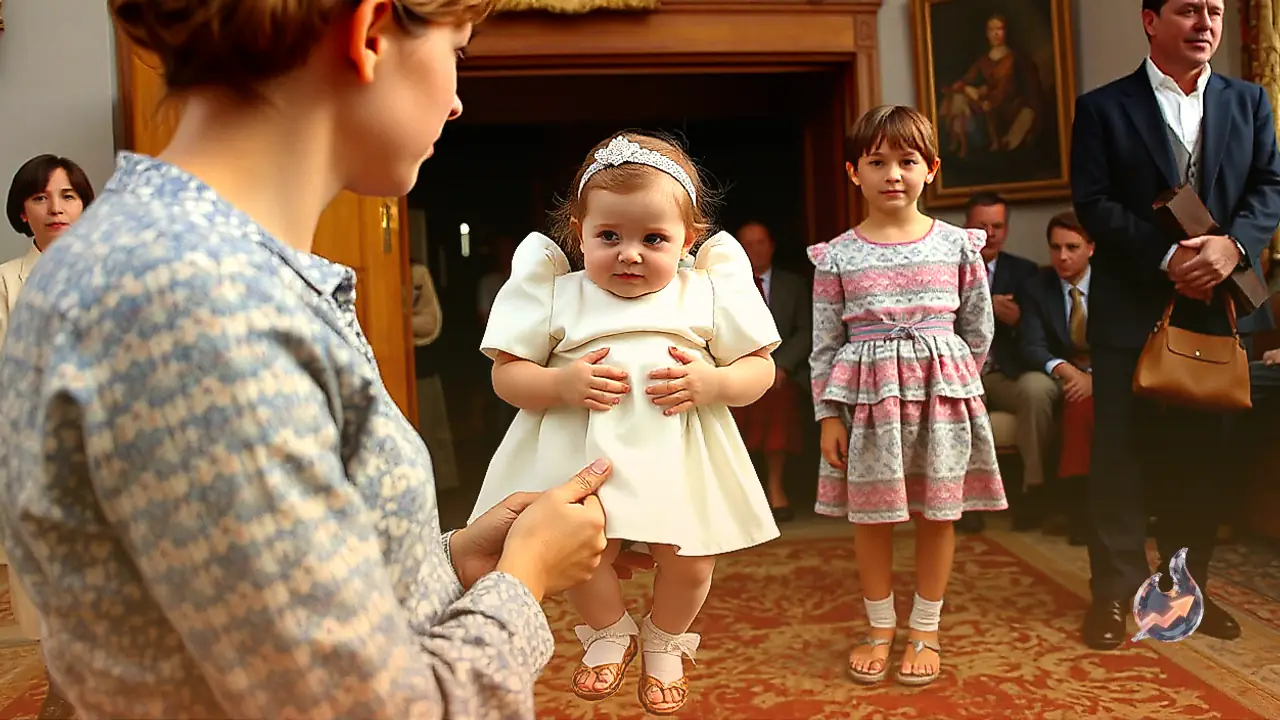
When parents mock a child's mistakes or shame them in front of others, it severely damages their self-esteem and confidence. Children learn how to handle disagreements primarily by observing adults within the household. Instead of criticizing a child's character, parents should calmly explain why a specific action was inappropriate and guide them on how to handle the situation differently next time.
Fostering Stronger Sibling Bonds
Expecting siblings to agree on everything and never fight is unrealistic. Occasional friction is a natural part of growing up. The ultimate goal is to teach children to respect one another despite their disagreements. Parents cannot force siblings to be best friends, but they can provide a safe environment where children feel comfortable expressing their emotions, admitting mistakes, and apologizing when necessary.