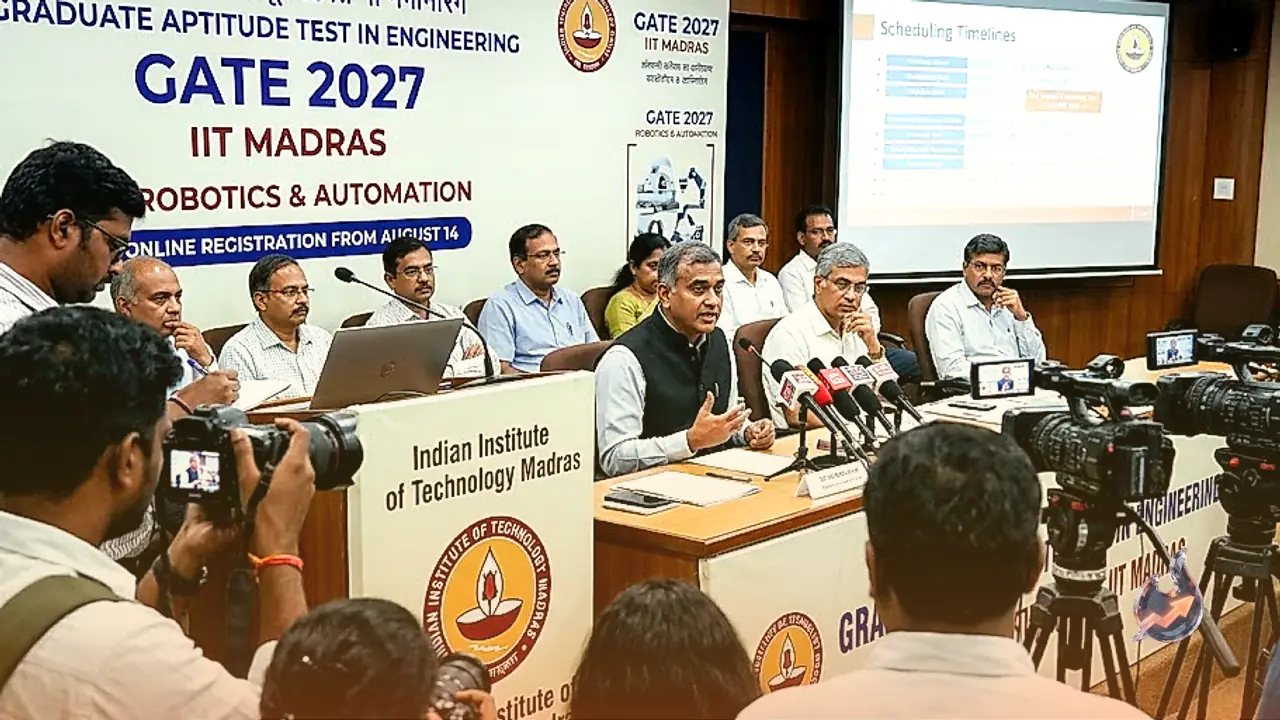
























Facing intense criticism and widespread public backlash over persistent irregularities in question papers and the high-profile NEET-UG paper leak, the central government has announced sweeping structural changes at the National Testing Agency (NTA). The Ministry of Education has initiated these aggressive reforms to make the national examination framework far more secure, transparent, and accountable. Key measures include enforcing a stringent four-tier verification system for question papers, removing approximately 600 existing subject experts in favor of fresh appointments, and handing over the physical security of NTA offices to the Central Industrial Security Force (CISF).
Four-Tier Review System for Question Papers
According to the Ministry of Education, the entire pipeline of drafting and vetting question papers is being significantly reinforced. A rigorous four-tier review structure is being implemented to eliminate any possibility of a security breach or human error during paper compilation. Furthermore, continuous monitoring of sensitive operational procedures and stricter security protocols are being enforced to safeguard the integrity of every competitive examination conducted nationwide.
Removal of 600 Experts and New Appointments
The ministry confirmed that extensive restructuring has been carried out within the NTA testing apparatus. Under this overhaul, nearly 600 experts have been removed from the panel and replaced with new professionals. To elevate technical standards, external experts from the private sector specializing in cyber security, psychometrics, question paper design, and allied technical fields are being actively integrated into the testing machinery.
New Officers and Senior Leadership Positions
To bolster human resources at the NTA, 20 to 25 specialized officers will be inducted over the next two to three weeks. In addition, recruitment notices have already been issued for 10 critical senior positions, including Chief Technology Officer (CTO), Chief Financial Officer (CFO), Chief Information Security Officer (CISO), General Manager for Examination Security, and General Manager for Research, Development, and Psychometrics. The appointment process for these vital administrative roles is currently underway.
Relocation of NTA Office to Minto Road with Enhanced Security
The ministry stated that NTA office facilities are being relocated to new premises on a war footing. According to institutional sources, the principal New Delhi office is being shifted from Okhla to Minto Road. These upgraded premises will feature robust security infrastructure operated directly by contingents of the CISF to prevent unauthorized access and maintain strict confidentiality.
Emphasis on Air-Gapped Systems and Isolated Rooms
During a high-level review meeting chaired by Union Education Minister Dharmendra Pradhan, strict directives were issued to ensure absolute compliance with examination protocols. The ministry noted that structural overhauls regarding confidential operations, isolated rooms, air-gapped digital systems, and electronic device deposition protocols are being implemented immediately on an emergency basis.
Comprehensive Audit of All Examination Processes
The government has explicitly instructed the NTA to conduct a thorough audit of all examination-related procedures and submit a comprehensive compliance report detailing the corrective measures implemented thus far. The overarching objective of these extensive administrative interventions is to construct a foolproof, completely fair, and error-free examination ecosystem across the country.
Backlash Intensified Following Decisions to Reconduct Exams
The announcements follow severe criticism from opposition political parties and protesting student organizations, which erupted after the decision to reconduct the UGC-NET examinations for researchers. NTA insiders noted that after actively reviewing student grievances and petitions, the decision to hold re-examinations was taken purely in the broader interest of the affected candidates. The agency maintains that a thorough review of internal protocols will pave the way for a permanently accountable testing mechanism in the future.