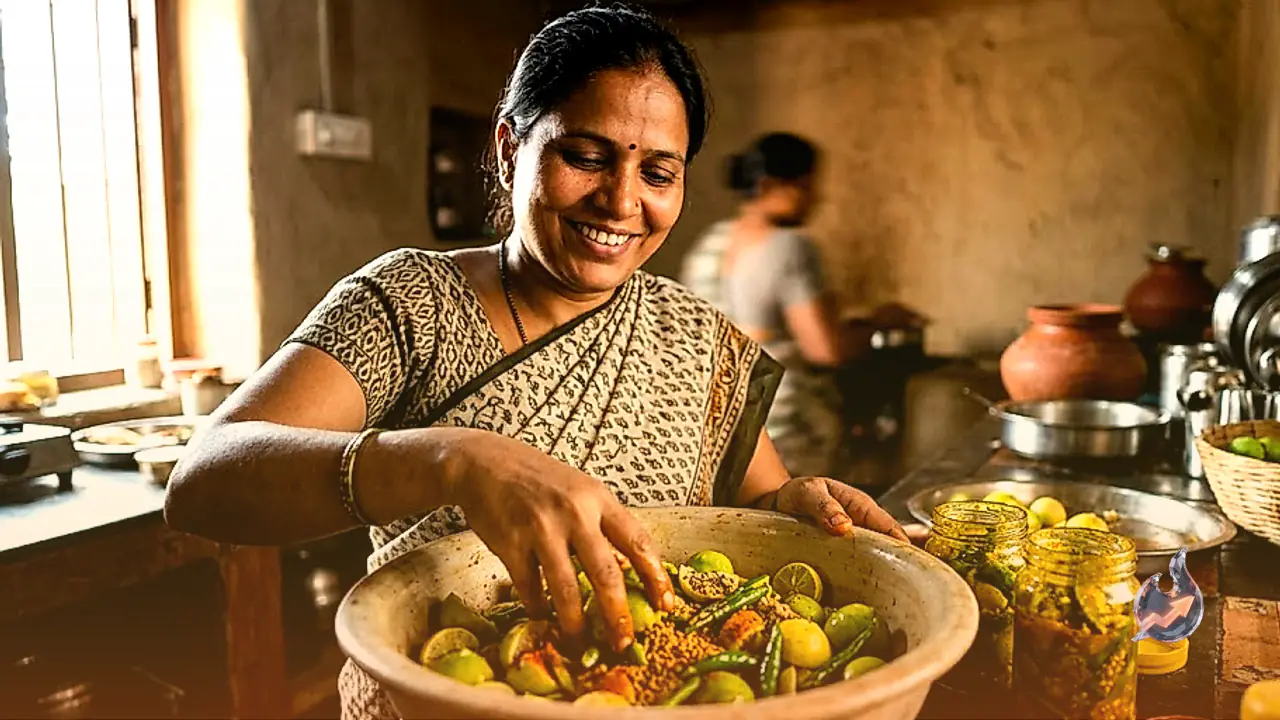
























When everyday lentils and vegetables start tasting repetitive, introducing a punch of rustic regional flavour can instantly revive any meal. While electric blender jars have made kitchen prep quick and effortless, pureeing ingredients into a completely smooth paste often strips traditional chutneys of their authentic mouthfeel. In traditional Rajasthani cooking, garlic and red chillies are carefully crushed rather than blended, unlocking essential aroma and creating an irresistible texture. This classic condiment pairs exceptionally well with warm bajra roti and offers a robust, lip-smacking side that elevates everyday dining.
Step One: Softening the Chillies in Buttermilk
The foundation of this recipe lies in how the dried red peppers are rehydrated. Take 10 to 12 dried Kashmiri red chillies and immerse them in 1 cup of buttermilk for approximately 1 hour. Kashmiri chillies are naturally prized for their striking deep red colour while carrying a very gentle heat level, making the final condiment accessible even for those who prefer milder spice. For deeper flavour infusion and maximum tenderness, the chillies can also be left to soak in buttermilk overnight. The gentle acidity of the buttermilk softens the dried skin completely, ensuring effortless processing during the crushing stage.
Step Two: Stone-Ground Crushing Technique
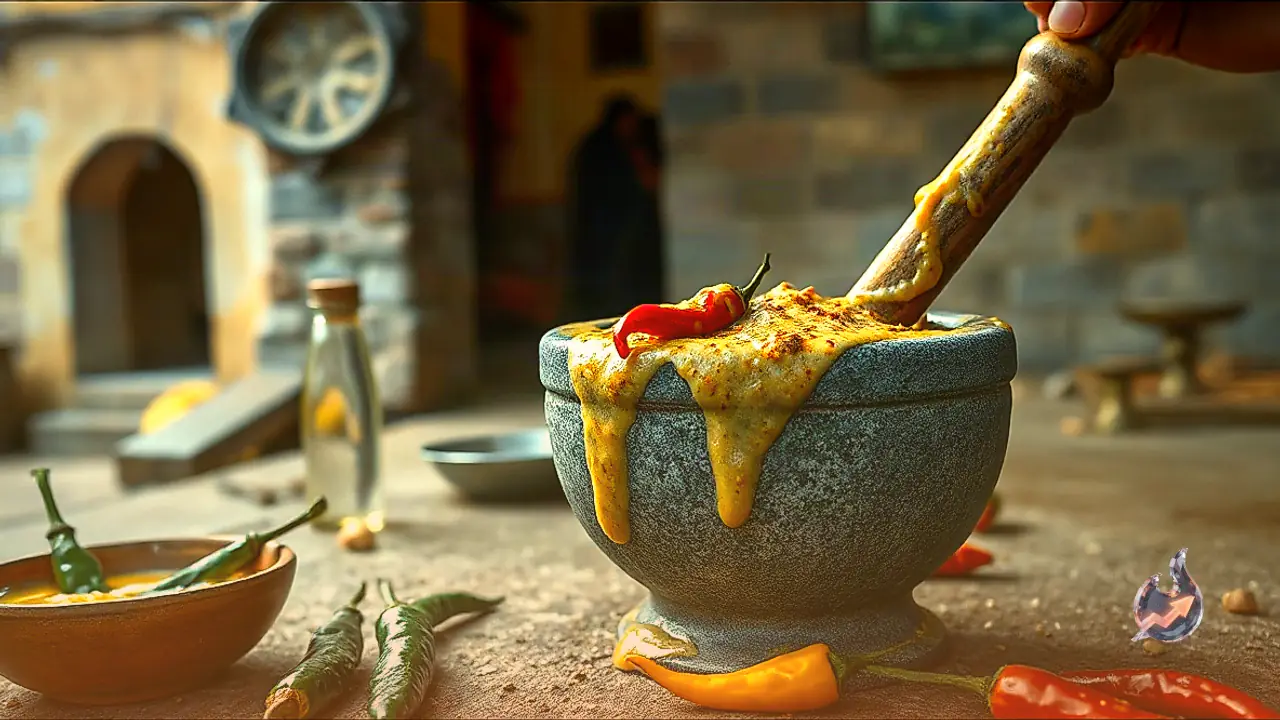
Once the chillies are thoroughly rehydrated, set aside electric appliances and reach for a traditional stone mortar and pestle or sil batta. Drain the soaked chillies from the buttermilk and place them directly into the stone bowl. Add half a teaspoon of cumin seeds along with a pinch of salt to provide traction under the pestle. Because the chillies have absorbed moisture from the buttermilk, their fibres break down smoothly with minimal effort as you pound and grind them against the coarse stone surface.
Step Three: Balancing Garlic and Fresh Additions
After the red chillies break down into coarse flakes, incorporate half a cup of peeled garlic cloves into the mortar. You can crush the mixture to your preferred consistency, though authentic village preparations preserve a visibly coarse, textured paste. Pounding whole garlic cloves against stone releases their natural essential oils far better than sharp blender blades can. Stir in finely chopped fresh coriander leaves and adjust the salt as desired. If your goal is to preserve the condiment over a prolonged period, omit the fresh coriander entirely to eliminate residual botanical moisture that can cause spoilage.
Step Four: Tempering in Mustard Oil
While the freshly crushed mixture can technically be enjoyed in its raw state, tempering and gently sautéing it in hot oil is essential for extending shelf life and mellowing the pungent bite of raw garlic. Pour 3 tablespoons of mustard oil into a pan and set it over medium heat, adjusting the quantity slightly based on personal preference. Mustard oil contributes an authentic rustic character that complements the earthiness of garlic and chillies.
Step Five: Slow Simmering and Final Tang
As the oil heats up, add one-fourth teaspoon of cumin seeds and half a teaspoon of asafoetida. As soon as the spices release their aroma, introduce the crushed chutney paste to the pan. Reduce the flame to low and let the mixture cook slowly for 4 to 5 minutes. Stirring frequently ensures that all lingering moisture from the buttermilk soak evaporates completely. When the oil begins to separate and glisten along the edges, it confirms that the paste is thoroughly cooked through. Stir in half a teaspoon of dried mango powder to lend a balanced tanginess before taking the pan off the heat. Allow the chutney to cool completely before transferring it to a clean jar for long-term storage.