




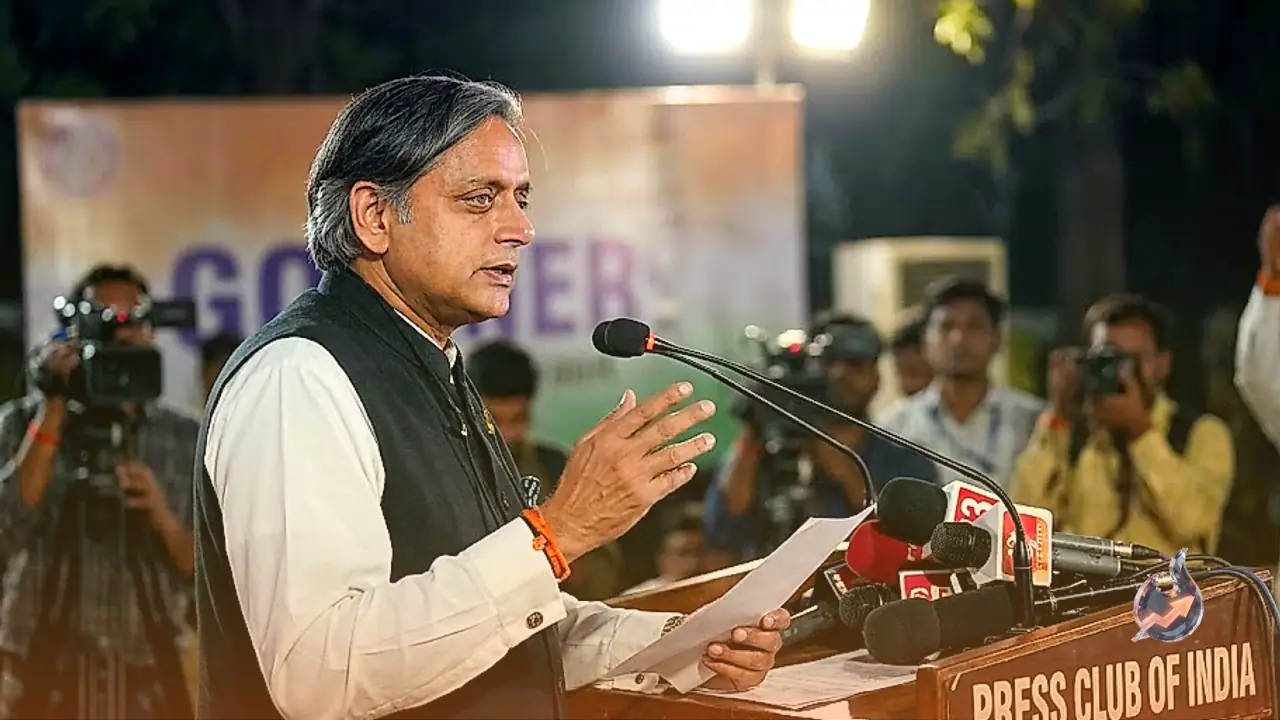














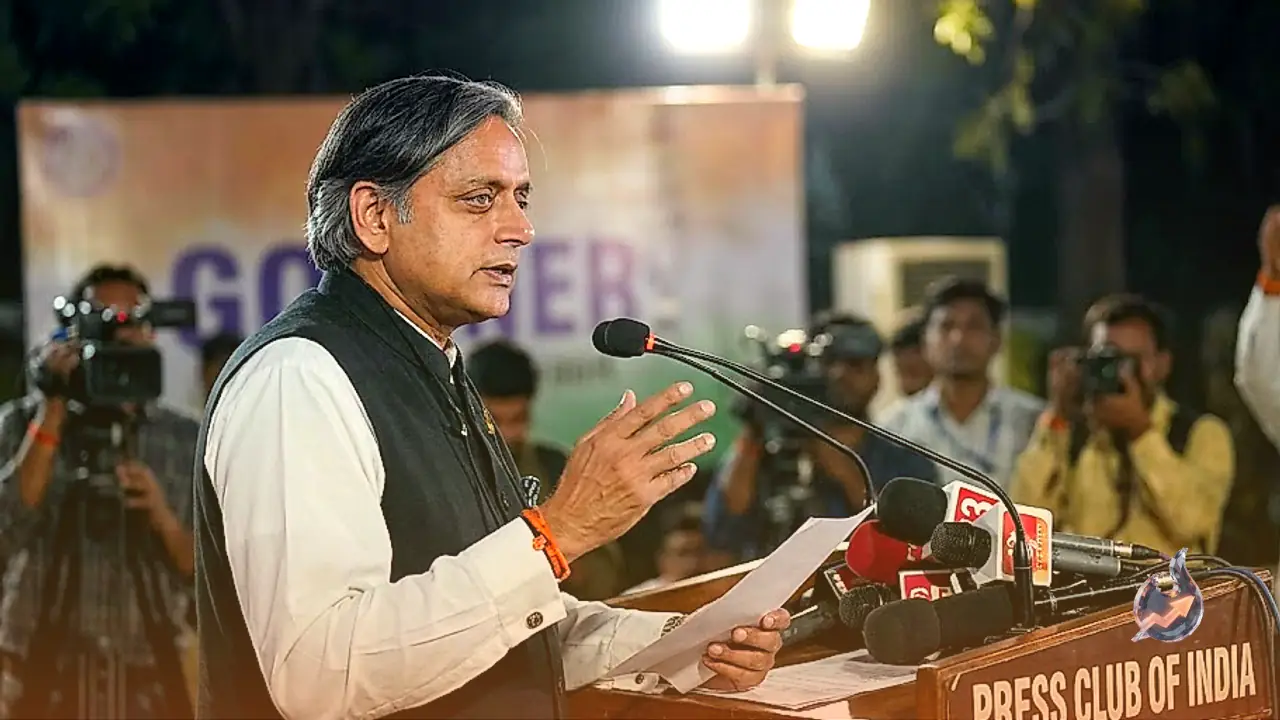

A fresh political storm has erupted over the administrative functioning and internal decision-making processes of the Election Commission of India. While the poll body issued a clarification defending its protocols following public scrutiny surrounding Chief Election Commissioner Gyanesh Kumar and the handling of key operational matters including SIR, the explanation has failed to quell concerns among opposition leaders. Congress MP Shashi Tharoor has openly questioned the commission's handling of the situation, asserting that an ordinary press statement does not address the substantive issues raised about internal administrative dissent and voter registration safeguards.
The Commission's Official Defence and Unanimity Claim
In response to the scrutiny, the poll body stated that internal observations, differing perspectives, and deliberative notes form a routine component of institutional decision-making. The commission maintained that its official rulings strictly adhere to statutory provisions, its technological infrastructure features adequate security controls, and all formal resolutions over the preceding twelve months were approved unanimously. By emphasizing consensus, the administrative body sought to portray the differences as standard inter-departmental consultations rather than governance failures.
Documented Dissent: 14 Objections Over a 10-Month Span
The controversy centres on formal reservations recorded by Election Commissioners Sukhbir Singh Sandhu and Vivek Joshi over a 10-month period. According to available details, the two commissioners flagged objections on at least 14 distinct occasions regarding administrative orders and policy determinations issued in the commission's name. Far from routine procedural notes, these reservations directly concerned core electoral operations, including the registration of new voters, rules governing the addition and deletion of entries from electoral rolls, structural amendments to Form 6, and the overarching management and centralization of information technology systems overseeing voter data.
Shashi Tharoor Outlines 7 Critical Inquiries
Critiquing the official response, Shashi Tharoor wrote on X that stating final decisions were made by consensus leaves unresolved the fate of dissenting views expressed during the deliberative process. Emphasizing that a generic press note falls short of resolving critical doubts, he posed seven specific questions requiring verifiable clarification
- Were the 14 reported objections formally logged on record, and what specific action was taken regarding each of them?
- What was the precise statutory and legal foundation for amending Form 6, especially after commissioners had formally placed their objections on record?
- How were the institutional concerns regarding the centralization of electoral-roll database access and IT infrastructure controls addressed and resolved?
- What is the commission's factual explanation regarding the specific incident involving 97 voters in Goa?
- Under what administrative mechanism, and by whose explicit approval, were the appeals resolved that led to the reinstatement of previously removed voters?
- What administrative circumstances and considerations prompted the communications dispatched to the Cabinet Secretary?
- Were any official messages or instructions issued in the commission's name without obtaining the requisite institutional approvals?
The Imperative for Public Record and Institutional Trust
Underlining the critical constitutional stature of the election watchdog, Tharoor argued that democratic trust requires unambiguous transparency rather than administrative deflection. Merely pointing to unanimous final outcomes fails to explain how institutional concerns raised by sitting commissioners were processed or reconciled. Calling for point-by-point, documented disclosures on each of the seven matters, he stated that placing complete factual records into the public domain is vital to ensuring that public confidence in election machinery remains intact.