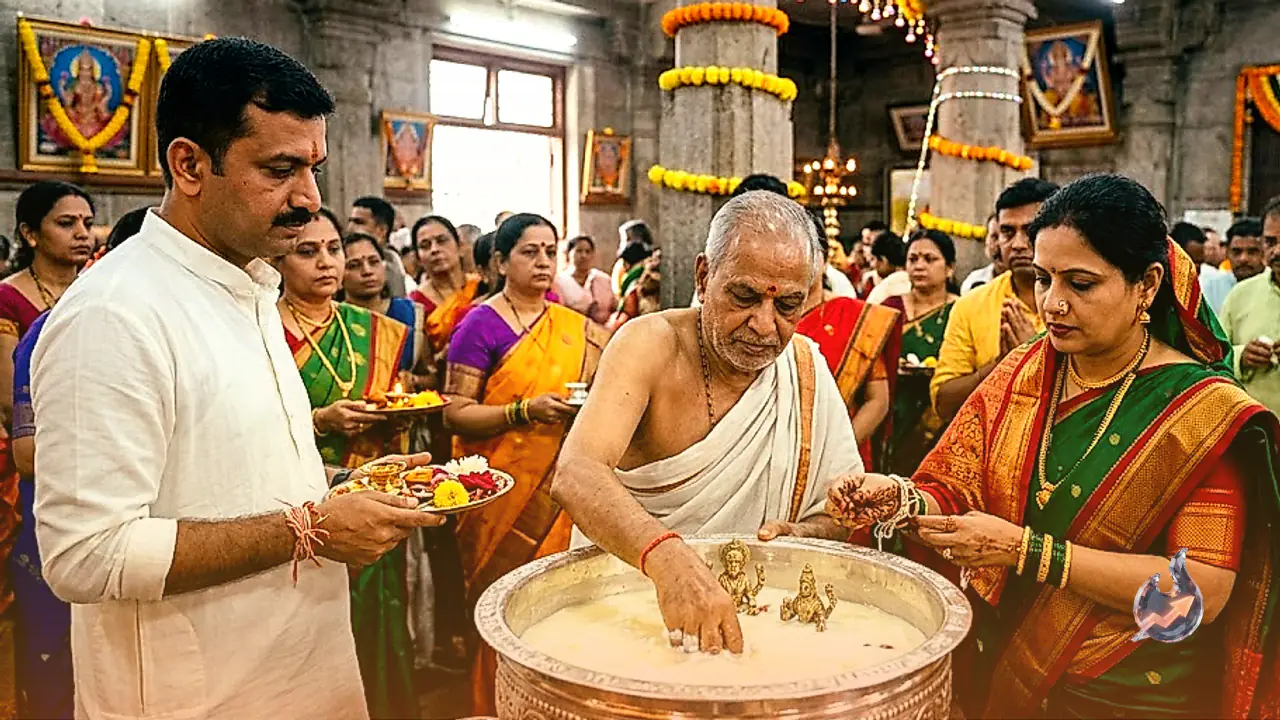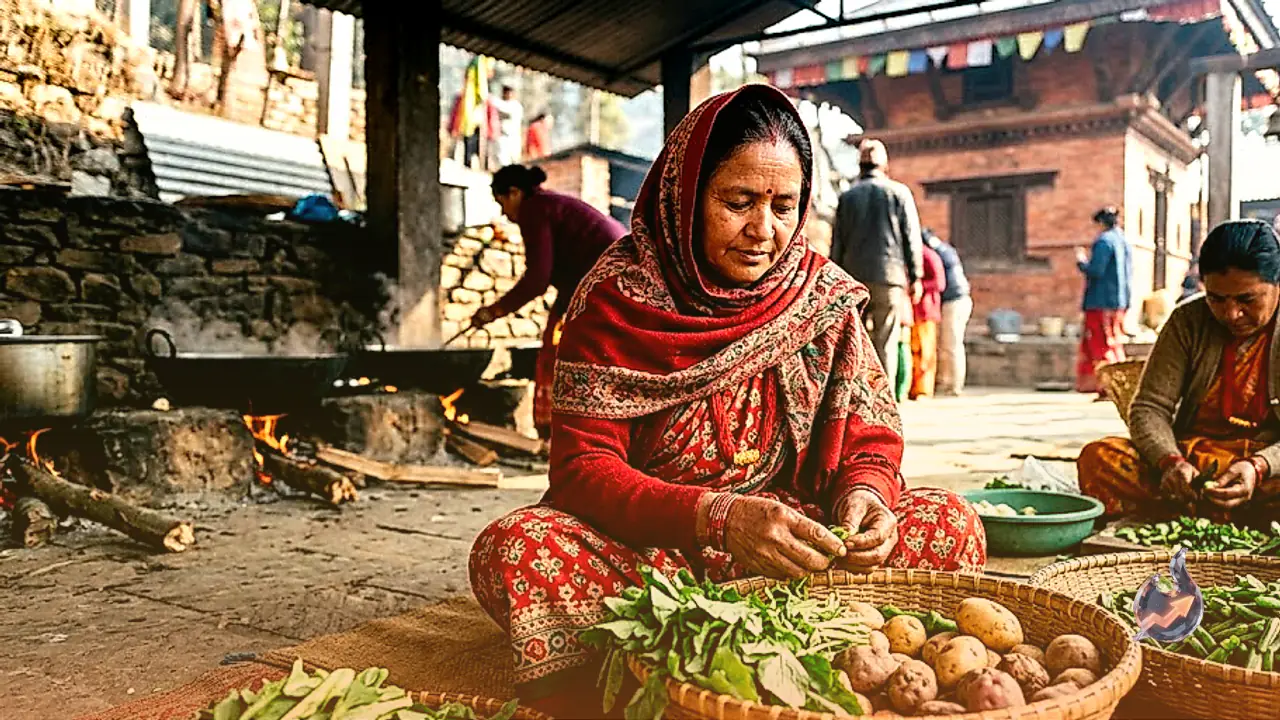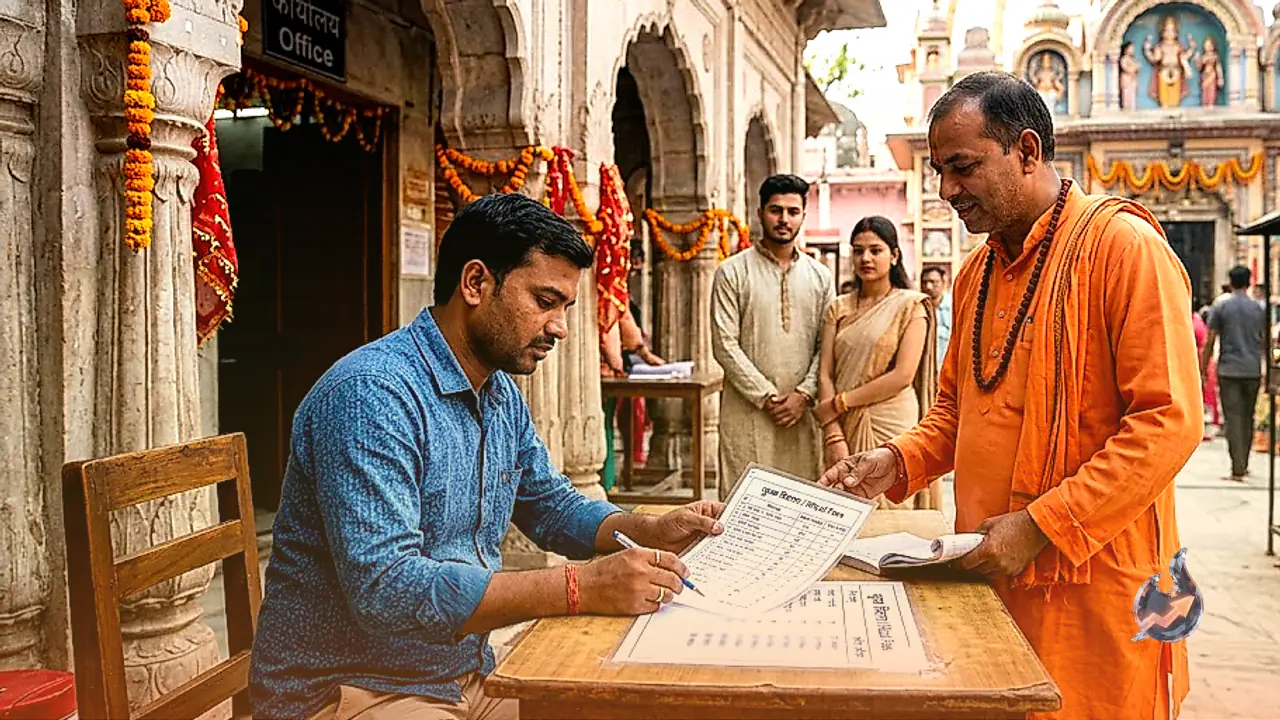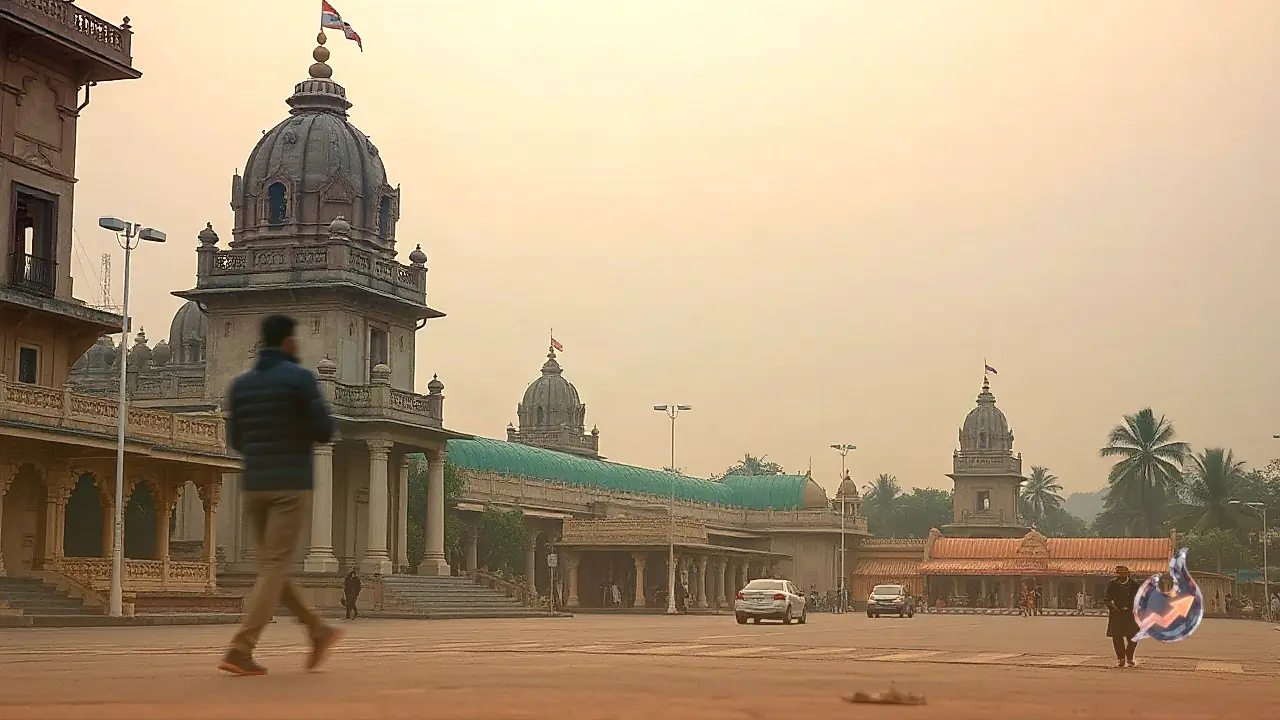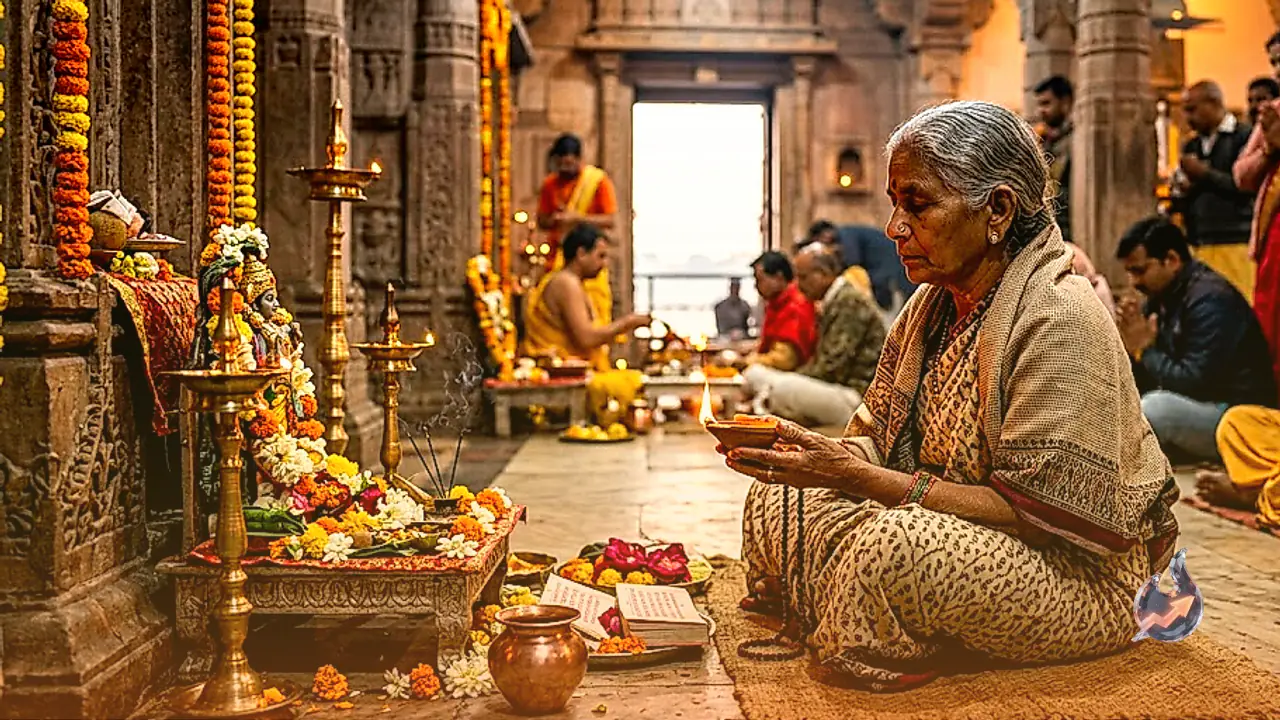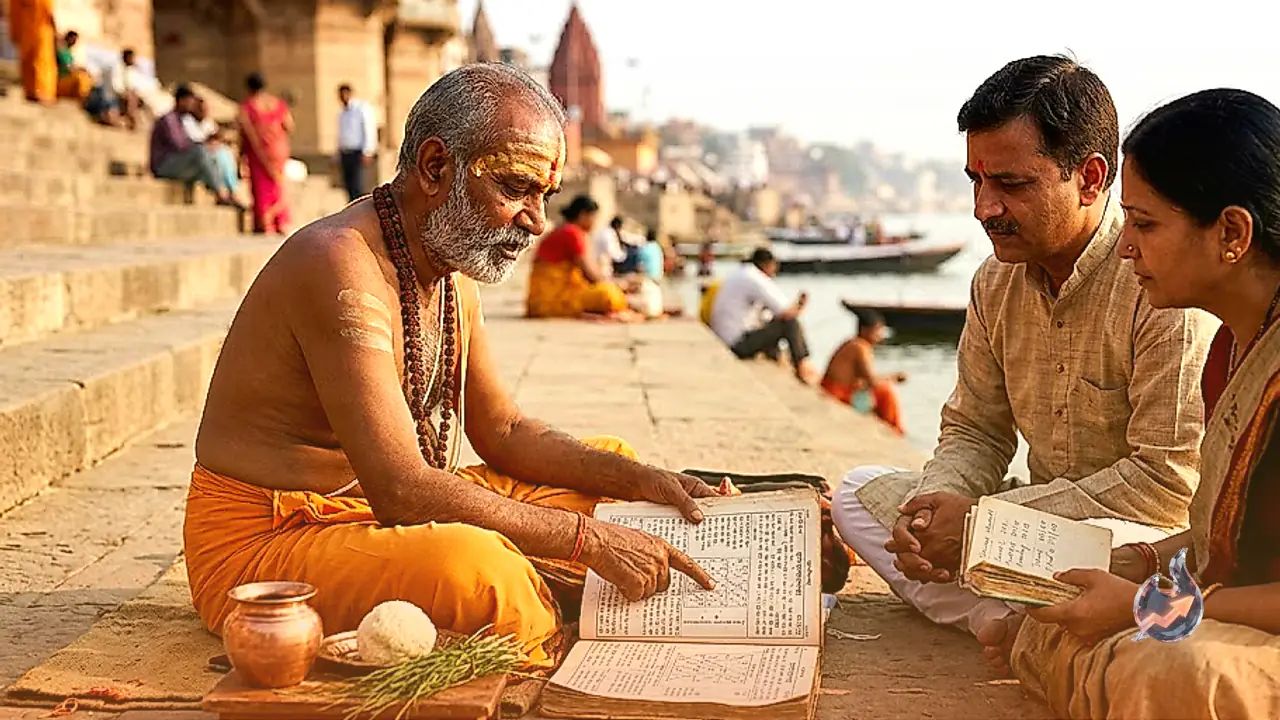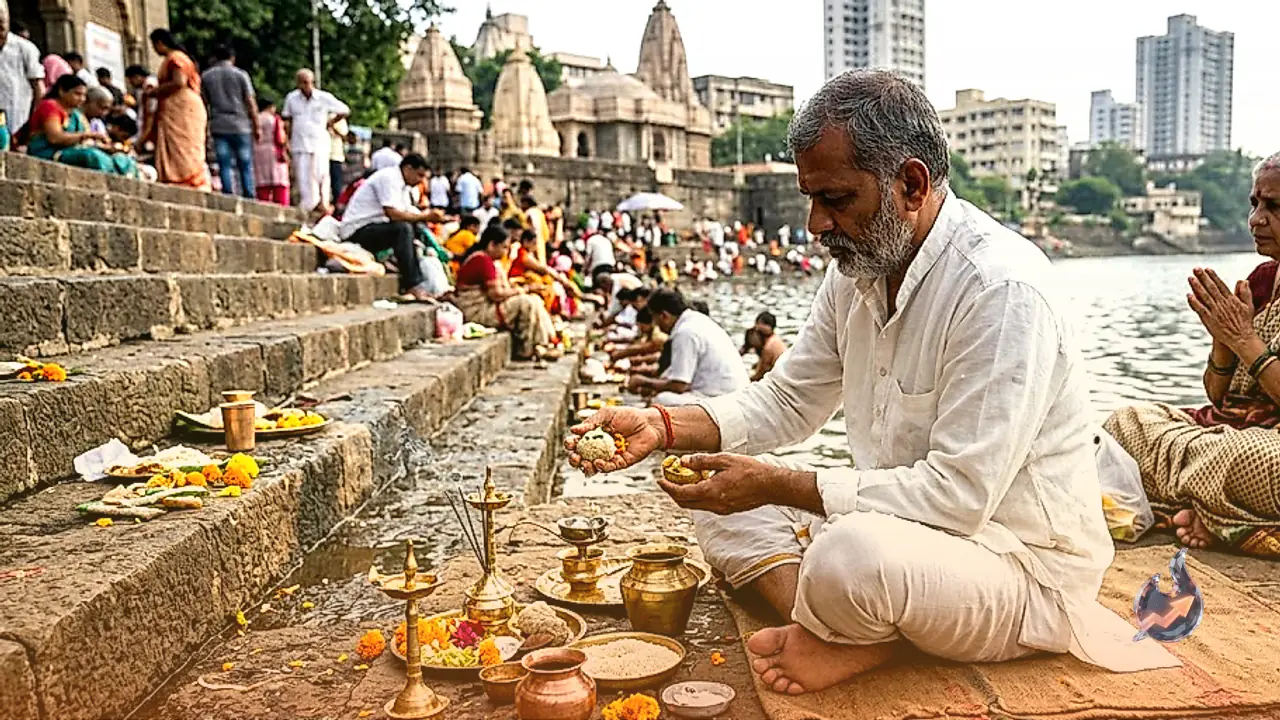

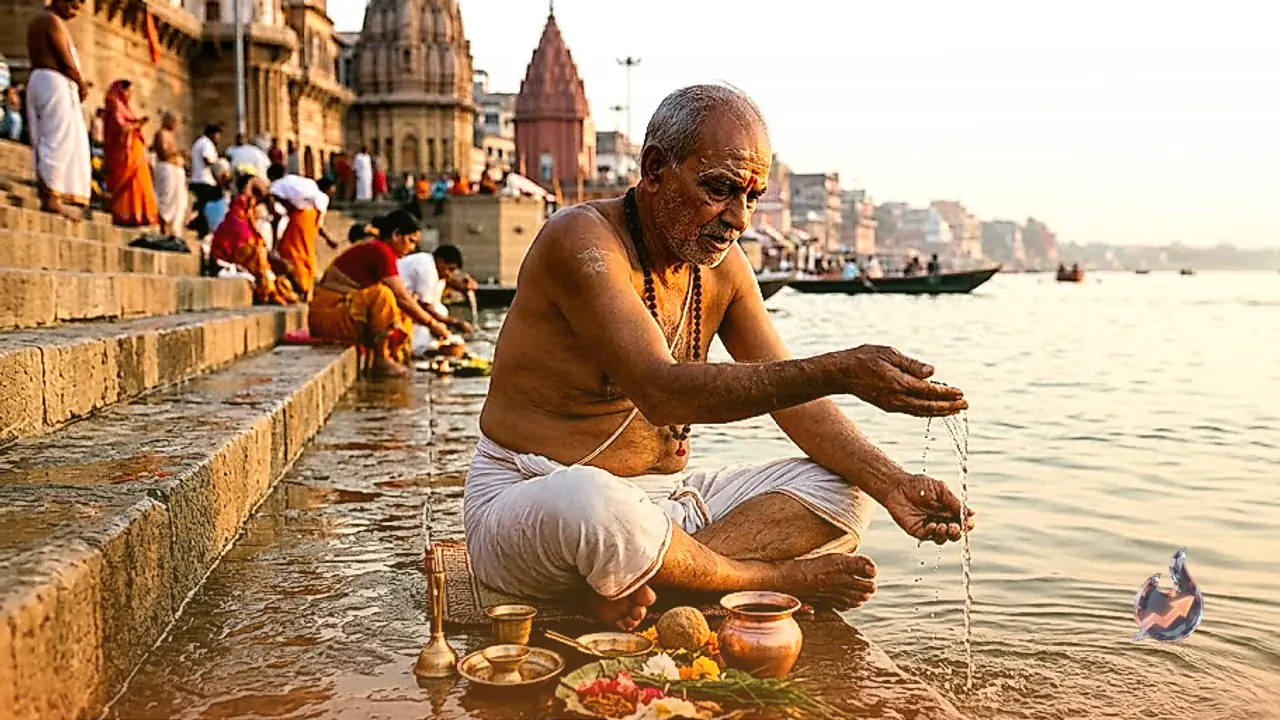





















Across the nation, the fortnight of Pitru Paksha is observed with deep devotion as families honor the memory of their departed forebears through sacred oblations and ceremonial offerings. While the revered pilgrimage town of Gayaji in Bihar stands as the most famous global destination for performing ancestral liberation rites, longstanding spiritual traditions dictate that the journey begins elsewhere. Before setting foot on the sacred soil of Gayaji, pilgrims are required to visit the banks of the Punpun river, located close to Patna district, to offer their initial libations. Regarded in ancient lore as the inaugural gateway to liberation, this site holds a foundational place in the ancestral pilgrimage itinerary.
The Sacred Significance of Punpun as the First Gateway
In Hindu custom, the ritual journey to appease the ancestors is considered incomplete if it does not commence on the banks of the Punpun. Before proceeding to the Falgu river in Gayaji for extensive ceremonies, devotees gather here to bathe, offer sesame-infused water, and place the very first rice ball known as Pind. Classical texts like the Garuda Purana bestow great honour upon this flowing stream, addressing it as Adi Ganga or the primordial Ganga. It is believed that ceremonial libations performed on this riverbank grant tranquility to departed souls and bestow spiritual merit that protects seven successive generations of the performer's family line.
The Ancient Legend of Lord Ram and Mother Sita
The distinctive holiness of the Punpun riverbank is inextricably connected with the epic journey of Lord Ram and Mother Sita. According to sacred tradition, when Lord Ram set out to perform the funeral and memorial rites for his father, King Dasharatha, he made a conscious halt along the shores of the Punpun prior to reaching Gayaji. Alongside Mother Sita, he invoked the spirits of his ancestors and made the inaugural offering of Pind right on this riverfront. Only after completing this preliminary rite did they journey onward to the Falgu river to conduct the comprehensive ancestral rituals. In commemoration of this divine precedent, the Punpun ghat has ever since been venerated as the primary portal through which the journey toward liberation must start.
Ancestral Presence and Blessings During the Fortnight
Belief holds that during these fifteen days, the souls of forebears descend toward the earthly realm to visit their descendants and accept respectful offerings. Performing timely rites dispels ancestral afflictions known as Pitru Dosha and channels divine harmony into the household. In return, ancestors bestow their blessings of worldly prosperity, mental peace, and family continuity. Consequently, thousands of devotees annually inaugurate their pilgrimage at the Punpun river before proceeding into the heart of Gayaji to finalize their religious duties.
Comprehensive Schedule and Important Dates for Pitru Paksha 2026
The 2026 observance of Pitru Paksha commences on Sunday, September 26, coinciding with the full moon day of the Bhadrapada month, when ceremonies for individuals who passed away on Purnima are undertaken. The conventional fortnight of daily ancestral rites begins in earnest on Sunday, September 27, marking the Pratipada Tithi of the waning phase of Ashwin. The cycle reaches its conclusion on Saturday, October 10, with Sarva Pitru Amavasya, a day dedicated to all known and unknown ancestors.
The sequence of daily memorial dates for the year 2026 is observed as follows
- Purnima Shraddha: September 26, Saturday
- Pratipada Shraddha: September 27, Sunday
- Dwitiya Shraddha: September 28, Monday
- Tritiya Shraddha and Maha Bharani: September 29, Tuesday
- Chaturthi and Panchami Shraddha: September 30, Wednesday
- Shashthi Shraddha: October 1, Thursday
- Saptami Shraddha: October 2, Friday
- Ashtami Shraddha: October 3, Saturday
- Navami Shraddha: October 4, Sunday
- Dashami Shraddha: October 5, Monday
- Ekadashi Shraddha: October 6, Tuesday
- Dwadashi and Magha Shraddha: October 7, Wednesday
- Trayodashi Shraddha: October 8, Thursday
- Chaturdashi Shraddha: October 9, Friday
- Sarva Pitru Amavasya: October 10, Saturday
Adhering to these specific dates for respective memorial observances ensures spiritual peace for departed souls and ushers positive energy into the lives of living family members.