























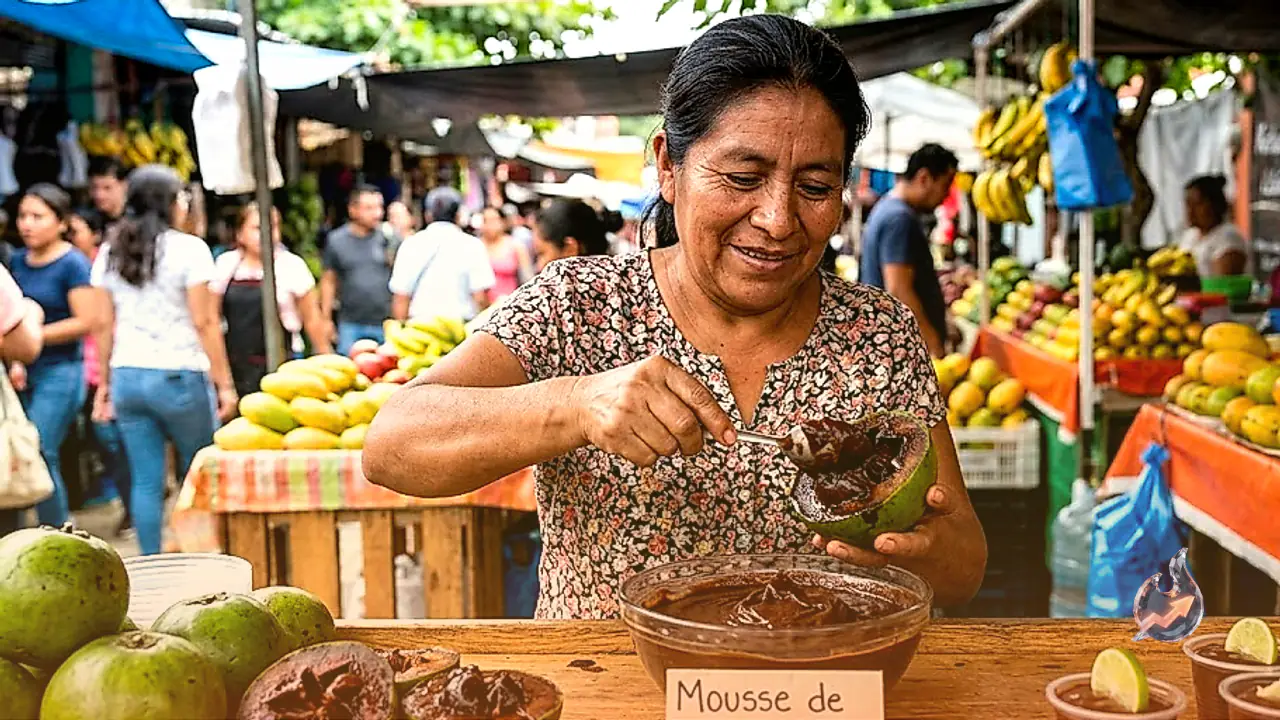

The plant kingdom produces a fascinating variety of fruits that defy conventional expectations of taste, texture, and appearance. While some fruits gain international curiosity because of their unusual exterior, others stand out because of what lies hidden beneath their skin. A prime example of this botanical uniqueness is the tropical fruit known as black sapote. Once it reaches complete maturity, the interior pulp undergoes a striking transformation, turning into a deep brown, exceptionally tender mass. Due to this smooth and rich consistency, many across the world affectionately refer to it as the chocolate pudding fruit.
Physical Characteristics and Ripening Clues
To an untrained eye, black sapote on the branch looks strikingly similar to any common green, unripened fruit. Crucially, its exterior peel frequently maintains that bright green shade even after the interior has fully matured. Because of this trait, one cannot determine whether the fruit is ready to harvest or eat simply by inspecting surface pigmentation. True readiness is gauged by touch, as a ripe fruit softens considerably under gentle pressure. Inside, the mature flesh takes on a rich dark brown or near-black hue. The pulp becomes so supple that it can be scooped out cleanly using a dessert spoon, a delicate and creamy texture that has cemented its comparison to prepared puddings.
Flavor Nuances and Culinary Applications
A common culinary inquiry is whether black sapote truly delivers the concentrated flavor of processed commercial chocolate. It is helpful to realize that its profile is not an identical replica of confectionery chocolate bars. Those who taste the fruit describe a subtle, mild sweetness accompanied by a gentle custard-like quality and light cocoa undertones. The specific flavor notes perceived can vary depending on individual palate preferences and the precise degree of the fruit's ripeness. In the kitchen, enthusiasts often consume the chilled pulp straight with a spoon. Thanks to its rich and spreadable body, it is also blended into fruit smoothies, layered into specialty desserts, and whipped into various sweet recipes requiring a natural velvety base.
Origins, Climate, and Botanical Family
Historically, black sapote traces its native geographic heritage to the lush regions of Mexico and Central America. The plant thrives best in warm, frost-free, humid tropical conditions where sunlight and moisture are abundant. Thanks to international agricultural interest, cultivation has spread to select regions in other warm nations possessing compatible climates. Botanically, the fruit is harvested from the tree species Diospyros digyna. This classifies it within the broader persimmon genus, yet black sapote stands completely apart from typical persimmon varieties in terms of its interior color, consistency, and culinary profile.
Nutritional Profile and Dietary Balance
In terms of dietary contributions, black sapote provides beneficial dietary fiber alongside essential vitamins and trace minerals. Nevertheless, it should never be regarded as a medicinal remedy, medical cure, or targeted treatment for specific clinical ailments. Like any other fresh seasonal fruit, its primary dietary value lies in being enjoyed as a wholesome, flavorful addition to a well-rounded and varied lifestyle.